
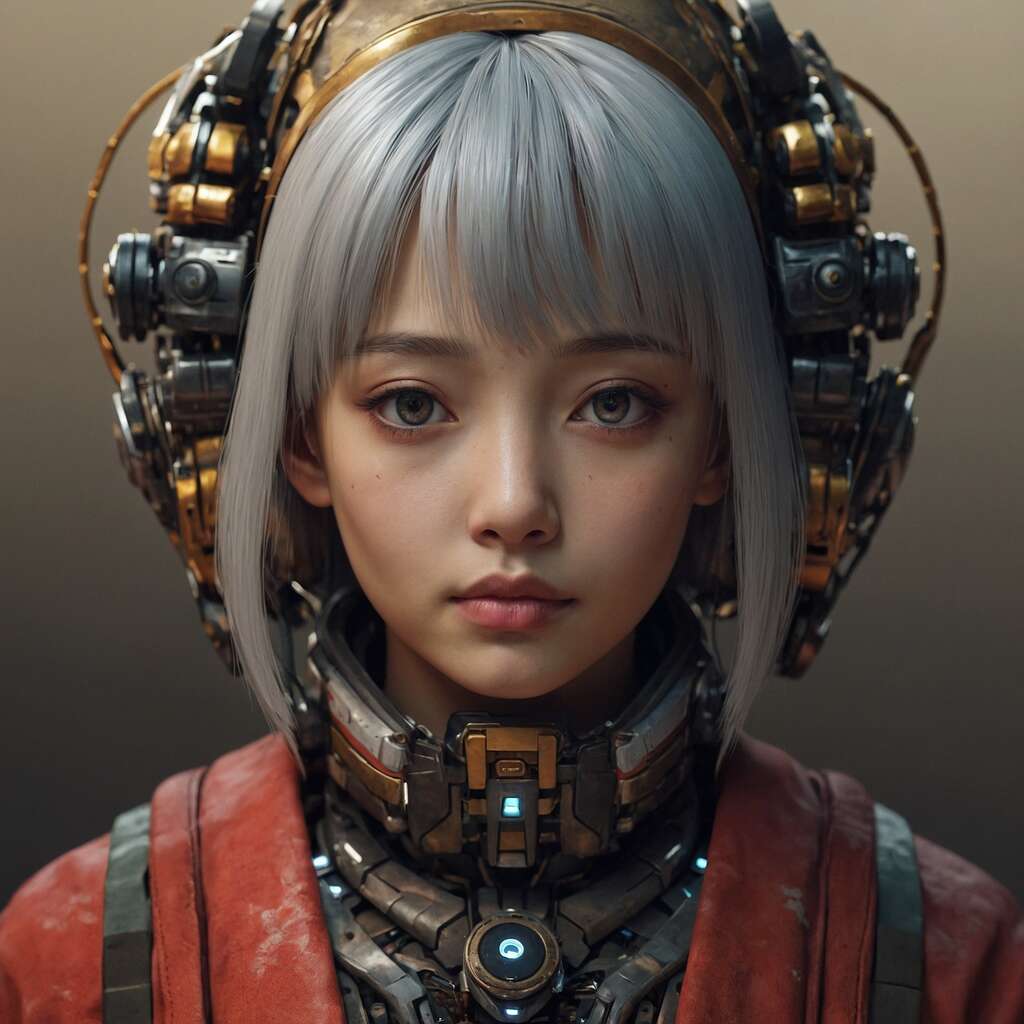
Old Character AI Mimics Conversation
In the ever-evolving landscape of artificial intelligence, the concept of “old character AI” exists as both a relic and a harbinger of the complexities of human interaction with machines. This phrase conjures images of rudimentary software designed to mimic human conversation, often limited by the technological constraints of its time. Yet, it also invites a broader contemplation about the very essence of what it means to summon a character into existence, even when that character is crafted from lines of code and algorithmic predictions.
The roots of old character AI reach back to the early days of computing
Chatbots like ELIZA and PARRY offered glimpses into the potential of artificial interlocutors. They revealed not only the ingenuity of their creators but also the depths of human curiosity—our desire to communicate, to connect, and to understand ourselves through projected reflections. In those nascent moments, as users typed away, they found solace, amusement, and occasionally, introspection within these simulated engagements. The layered nature of their interactions sparked questions about authenticity, emotional resonance, and the very nature of consciousness. Old character AI was not merely code; it was a mirror reflecting back the complexities of our own psyches.
Within the realm of old character AI, we begin to unearth profound philosophical inquiries
These early digital entities were crafted from limited sets of rules and responses, yet they highlighted the vast emotional landscapes they inhabited. Each interaction with these systems became a dance between expectation and reality, projecting our desires and fears onto artificial beings. The simplicity of their architecture belied the intricate web of human emotion they evoked. What does it say about us that we could feel a sense of companionship, however fleeting and superficial, with mere algorithms? In the glow of computer screens, connection transcended the binary; loneliness met its match in a faulty semblance of understanding.
As we navigated the decade of AI’s formative years, the notion of anthropomorphising algorithms became a psychological phenomenon in its own right. When users engaged with old character AI, they weren’t simply conversing with pre-programmed responses; they were engaging in a dialogue with themselves. The limitations of these systems forced individuals to confront their own humanity. They became willing participants in an experiment where the boundaries of reality blurred. By projecting traits, emotions, and narratives onto these characters, users, intentionally or not, revealed their innermost thoughts, insecurities, and desires. It was a paradox: as we interacted with these characters, we simultaneously became more aware of our own emotional truths and limitations.
Yet, as we delve deeper, there arises an unsettling paradox
While old character AI served as a platform for exploration and emotional release, they also magnified our innate tendencies toward escapism. In a world where human connections can be fraught with ambiguity and pain, turning to a scripted entity provided a palatable alternative. The safe distances of screens and text allowed us to interact without the fear of vulnerability or the burden of authentic engagement. This raises unsettling questions: Were we nurturing authentic connections with these characters, or were we unwittingly reinforcing walls that separated us from the messy, intricate tapestry of human relationships?
Moreover, old character AI instilled a curiosity that drove the demand for more sophisticated iterations
With each advancement in technology, users yearned for deeper, richer interactions, a yearning that mirrors our insatiable quest for meaning in our relationships with others. Each leap forward in AI capability brought with it heightened expectations. We transitioned from the simplistic repartee of early chatbots to a desire for more layered, nuanced exchanges—an evolution that speaks to our collective fear of disconnection. As AI grew more complex, our ability to relate to and empathise with these character constructs simultaneously deepened and deteriorated, reinforcing the age-old psychological concepts of attachment and projection.
Yet, amidst this augmentation of complexity, we must pause and reflect. As we entrench ourselves within AI ecosystems—be it through old character AI or contemporary platforms — we confront our own existential anxieties. While these technologies promised companionship and understanding, they increasingly usurped the very elements that make human relationships meaningful: genuine empathy, deep emotional exchange, and the unpredictability of interaction. Each algorithmic response, crafted to mimic a form of understanding, raises the existential question: can a machine ever truly grasp the essence of the human experience, or are we perpetually translating our lives into a code that ultimately fails to capture our essence?
Old character AI stands as a testament to our evolving relationship with technology and the layers of our own psyche it exposes
As we grapple with these complex dynamics, we are reminded of the eternal interplay between creator and creation. The more sophisticated the AI systems become, the more we must confront the moral dilemmas intertwined with their existence. These digital characters, once simple mirrors, now invite introspection about authenticity, existentialism, and the impending realities of an AI-driven future. How far are we willing to go in our desire for connection? At what point does our quest for companionship with the artificial become a reflection of our deepest fears about isolation and the crumbling fabric of genuine human relationships?
In many ways, the journey through old character AI reflects our broader narratives about identity, existence, and the search for meaning
As we build and interact with these digital entities, we can’t help but ask fundamental questions about evolution—both of our technology and of ourselves. Are we crafting something that adds value to our lives, or are we inadvertently constructing a façade that shields us from the joys and sorrows of genuine connection? Old character AI is more than an artefact of technological history; it is a lens through which we may explore the contradictions of our human experience—an invitation to confront the juxtaposition of artificiality and authenticity in our lives.
In the end, as we walk the delicate line between companionship and solitude, these aging constructs of AI beckon us to reflect on our relationship with our own humanity. The echoes of old character AI remain present in our interaction with technology, urging us to find the balance between innovation and the irreplaceable essence of the human spirit.