
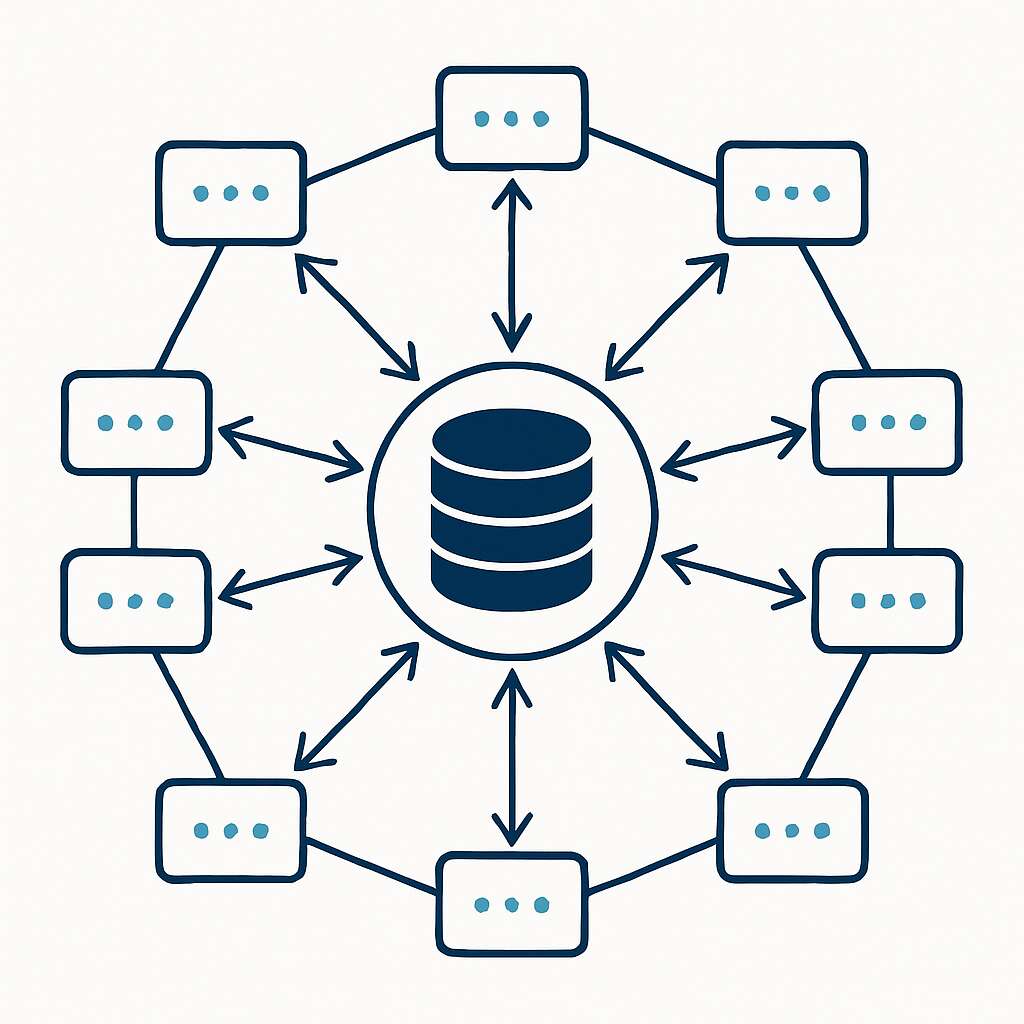
Understanding Query Fan-Out Technique
Definition and Overview
In the realm of database optimization, the Query Fan-Out Technique stands out as a strategic approach to handling complex data retrievals. It involves dividing a large, resource-intensive query into multiple smaller, more manageable queries that can run concurrently. This method not only reduces the load on the database but also accelerates response times, especially in systems where rapid data access is crucial.
Understanding the core of the Query Fan-Out Technique reveals its power to improve performance through parallel processing. Instead of executing a single, heavy query, the system distributes tasks across several smaller queries, which are then combined to produce the final result. This approach maximizes efficiency by leveraging multi-threading or distributed computing environments.
- Reduced latency in data retrieval
- Enhanced scalability for growing datasets
- Improved overall system responsiveness
By adopting the Query Fan-Out Technique, organizations can better manage high-volume queries and ensure smoother database operations, even under heavy load. It’s a practical solution that turns a traditionally slow process into a streamlined, high-performance task—an essential strategy in today’s data-driven landscape.
Importance in Data Management
In the bustling realm of data management, understanding the importance of the Query Fan-Out Technique is like discovering a hidden passage through a labyrinth. This innovative approach transforms the way we handle massive datasets, turning what once seemed like sluggish, cumbersome processes into swift, seamless operations. Organizations that leverage the Query Fan-Out Technique often witness a dramatic reduction in query response times, unlocking new levels of efficiency and agility.
Imagine a scenario where a single, monolithic query struggles under the weight of complex data. The Query Fan-Out Technique steps in as a masterful conductor, orchestrating multiple smaller queries that work in harmony, much like a symphony. This parallel processing not only accelerates data retrieval but also improves system scalability, especially vital in environments experiencing rapid data growth.
By embracing the Query Fan-Out Technique, data managers can navigate high-volume queries with ease, ensuring that their systems remain responsive even during peak loads. It’s a strategic weapon in the arsenal of modern database optimization, turning the chaos of heavy workloads into a well-coordinated performance masterpiece.
Historical Context and Evolution
The evolution of the Query Fan-Out Technique mirrors a fascinating trajectory rooted in the relentless pursuit of efficiency amidst the chaos of burgeoning data landscapes. In the early days of database management, a monolithic query was often the only option—an unwieldy, resource-draining process that struggled to keep pace with exponential data growth. As systems expanded in complexity, the necessity for a more nuanced approach became evident, prompting pioneers to explore parallel processing methods that could distribute the workload more effectively.
By the turn of the 21st century, the Query Fan-Out Technique emerged as a pivotal innovation, transforming how organizations approached large-scale data retrieval. It harnessed the power of dividing complex queries into smaller, manageable fragments that could be executed concurrently. This evolution was not merely a technical refinement but a paradigm shift—one that redefined the boundaries of system scalability and response time. Today, the Query Fan-Out Technique continues to evolve, driven by advancements in distributed systems and cloud computing, cementing its role as a cornerstone of modern data management strategies.
How Query Fan-Out Works
Basic Mechanisms of Fan-Out
Imagine a vast, enchanted library where a single whisper can awaken a thousand echoes—this is the essence of the Query Fan-Out Technique. At its core, this method transforms a solitary query into a cascade of simultaneous data requests, unleashing a torrent of information that flows like a mighty river. The basic mechanism involves dispatching multiple sub-queries to different data sources or nodes, each working in harmony to gather fragments of the whole story. This orchestration ensures that information retrieval becomes swift and efficient, akin to summoning a legion of messengers rather than relying on a lone courier.
The true power of the Query Fan-Out Technique lies in its ability to parallelize tasks, reducing latency and increasing throughput. To understand its elegance, consider the following:
- Breaking down complex queries into smaller, manageable parts
- Dispatching these parts concurrently to various data sources
- Aggregating the responses rapidly to form a comprehensive answer
By leveraging this approach, organizations can transform their data retrieval process into a symphony of concurrency, ensuring that no query remains unanswered in the shadows of delay. The Query Fan-Out Technique, therefore, becomes not just a method but a strategic advantage in the realm of data management and analysis.
System Architecture and Components
In the intricate ballet of data retrieval, the Query Fan-Out Technique orchestrates a symphony of interconnected components, each playing a vital role in transforming a solitary request into a harmonious chorus of responses. At the heart of this system architecture lies a masterful dispatcher—an intelligent conductor that divides a complex query into manageable fragments, each dispatched to different data sources or nodes. This division not only accelerates the process but also ensures that no fragment is left unheard in the cacophony of data demands.
Surrounding this core are specialized components, such as response aggregators and parallel processing engines, which work in tandem to synthesize the scattered fragments into a cohesive, comprehensive answer.
- The dispatcher meticulously maps each sub-query to its respective source.
- The data sources respond asynchronously, feeding responses back into the system.
- The aggregator consolidates these responses with remarkable speed, forming a unified narrative from disparate pieces.
This architecture exemplifies how the Query Fan-Out Technique leverages concurrency and strategic orchestration to elevate data retrieval beyond mere efficiency—transforming it into an art form of technological ingenuity.
Data Flow and Processing Stages
In the mesmerizing dance of data retrieval, the Query Fan-Out Technique orchestrates a seamless flow of information, transforming a solitary request into a symphony of responses. The process begins with a masterful dispatcher, akin to a seasoned conductor, who fragments a complex query into manageable pieces. Each fragment, a vital note in the grand composition, is dispatched to various data sources or nodes, accelerating the rhythm of data gathering.
Once the fragments are sent, responses are received asynchronously, flowing back into the system like a chorus echoing through a vast hall. This parallel processing not only speeds up the retrieval but also maximizes efficiency. A response aggregator then steps in, like a skilled editor, synthesizing these scattered responses into a cohesive narrative that answers the original query with clarity and depth.
Understanding the data flow within the Query Fan-Out Technique reveals an intricate ballet of components working in harmony. With each stage—dispatching, responding, and aggregating—the technique leverages concurrency to elevate data retrieval to an art form, showcasing technological ingenuity at every turn.
Applications and Use Cases
Database Query Optimization
In the labyrinth of modern data landscapes, the Query Fan-Out Technique emerges as a beacon of ingenuity—an orchestration that transforms the chaos of multiple database requests into a symphony of efficiency. This technique is especially vital in environments where rapid data retrieval is not just desired but essential for seamless user experiences, such as in high-traffic web applications or real-time analytics platforms.
Applications and use cases of the Query Fan-Out Technique are manifold, spanning from extensive e-commerce platforms managing vast inventories to intricate financial systems performing concurrent risk assessments. Its prowess lies in enabling systems to distribute queries across various nodes, harnessing parallelism to reduce latency and enhance throughput.
For database query optimization, this approach is a game-changer: it streamlines data fetching, minimizes bottlenecks, and ensures that critical information surfaces swiftly. Sometimes, employing the Query Fan-Out Technique involves a structured sequence:
- Dispatching multiple sub-queries simultaneously.
- Gathering and aggregating responses efficiently.
- Presenting a unified, coherent data set for instant analysis.
By leveraging this technique, data architects can craft resilient, scalable systems that meet the relentless demands of modern digital interactions. The Query Fan-Out Technique, therefore, is not merely a method—it’s a strategic cornerstone in the architecture of future-proof database systems.
Distributed Data Processing
In the vibrant realm of distributed data processing, the Query Fan-Out Technique acts as a catalyst for unlocking unprecedented levels of efficiency. Imagine a grand conductor orchestrating a symphony of database requests, each note seamlessly harmonizing to produce a masterpiece of swift data retrieval. This technique is especially vital when managing sprawling e-commerce inventories or complex financial systems that demand real-time insights with unwavering precision.
Applications of the Query Fan-Out Technique extend far beyond simple data fetching. High-traffic web platforms leverage this method to distribute queries across multiple servers, dramatically reducing latency. Likewise, real-time analytics platforms harness its power to aggregate data from diverse sources, delivering instant, actionable intelligence. By dispersing multiple sub-queries simultaneously—sometimes even in a meticulously structured sequence—systems can process vast datasets with remarkable agility.
In essence, the Query Fan-Out Technique transforms the chaos of concurrent data requests into a well-choreographed dance, creating resilient and scalable architectures that meet the relentless pace of modern digital interactions.
Real-Time Analytics
In the shadowed corridors of modern data landscapes, the Query Fan-Out Technique emerges as a spectral conductor, orchestrating the flow of information with uncanny precision. Its true power lies in enabling real-time analytics—an essential lifeline for high-stakes industries operating in the digital dusk. Imagine a financial dashboard that updates instantaneously, revealing the unseen currents of market shifts before they fully materialize. The Query Fan-Out Technique breathes life into this vision, dispersing data requests across multiple servers to achieve near-instantaneous insights.
For e-commerce giants and financial institutions alike, the ability to harness real-time analytics is a game-changer. By leveraging the Query Fan-Out Technique, these entities can process vast quantities of data with a fluidity that borders on the supernatural. This method allows for the aggregation of data from disparate sources—social media, transaction logs, sensor feeds—delivering a panoramic view that is both swift and precise. As data streams converge, the technique transforms chaos into coherent, actionable intelligence, illuminating the path through the dark labyrinth of digital information.
In essence, the Query Fan-Out Technique acts as a bridge—spanning the abyss between raw data and meaningful insight. It elevates real-time analytics from a mere possibility to a tangible reality, empowering organizations to navigate the relentless tide of modern digital interactions with confidence and clarity.
Big Data Ecosystems
In the sprawling realm of big data ecosystems, the Query Fan-Out Technique serves as a vital catalyst, transforming raw streams into strategic insights. Its application extends beyond mere data retrieval, reaching into the core of how organizations harness complex, multifaceted information. From financial services monitoring market fluctuations to e-commerce platforms tracking consumer behavior, this technique is the unseen pulse powering real-time decision-making.
Imagine a vast network of interconnected sources—social media feeds, sensor arrays, transaction logs—all converging seamlessly. The Query Fan-Out Technique disperses data requests across numerous servers, orchestrating a symphony of parallel processing that delivers rapid, accurate results. Such agility is indispensable for industries where timing is everything and every millisecond counts.
In big data ecosystems, the versatility of the Query Fan-Out Technique is further exemplified through innovative use cases, including:
- Real-time fraud detection, where swift data aggregation can prevent financial losses.
- Personalized marketing, delivering tailored content by analyzing customer interactions instantaneously.
- Supply chain optimization, enabling dynamic responses to fluctuating market demands.
These applications highlight how the Query Fan-Out Technique elevates the capacity of data ecosystems, making them more responsive, resilient, and insightful. It’s a testament to the enduring human pursuit of clarity amid chaos—turning overwhelming volumes of data into a luminous beacon guiding strategic direction.
Advantages of Query Fan-Out Technique
Improved Query Performance
The Query Fan-Out Technique can drastically enhance query performance, especially in complex data environments. By distributing a single query across multiple data nodes simultaneously, this approach reduces bottlenecks and accelerates response times. It’s like turning a traffic jam into a smooth-flowing highway!
One of the key advantages is the ability to handle large volumes of data efficiently. When implemented correctly, the Query Fan-Out Technique minimizes latency and maximizes throughput, making real-time analytics more achievable than ever. This technique is particularly useful in distributed systems where data is spread across different locations, ensuring that each node processes its part independently but in harmony with the whole.
In essence, the Query Fan-Out Technique transforms how organizations approach data retrieval, offering a scalable solution that keeps pace with modern data demands.
Enhanced Scalability
In the realm of modern data management, scalability isn’t just a luxury—it’s an absolute necessity. The Query Fan-Out Technique offers an unprecedented advantage, enabling systems to scale effortlessly as data volumes grow. By distributing queries across multiple data nodes, organizations can handle increasing workloads without sacrificing speed or accuracy. This method transforms what once was a bottleneck into a streamlined process, ensuring that each node operates independently yet harmoniously within the larger ecosystem.
One of the most compelling benefits of the Query Fan-Out Technique is its ability to maintain high performance under heavy loads. This approach allows for parallel processing, which significantly boosts throughput and reduces latency. For businesses in Cyprus aiming to stay competitive, this means real-time insights are no longer a distant dream but an achievable reality. The scalability offered by this technique ensures that as your data landscape expands, your system remains resilient and responsive.
- Enhanced capacity to process large datasets quickly
- Flexible adaptation to growing data demands
- Reduced risk of system overload during peak times
In essence, the Query Fan-Out Technique isn’t just a technical upgrade—it’s a strategic move toward future-proofing your data infrastructure. With this approach, organizations can confidently navigate the complexities of big data ecosystems, ensuring seamless scalability and sustained performance every step of the way.
Fault Tolerance and Reliability
In the relentless dance of data, where chaos threatens to overwhelm even the most robust systems, the Query Fan-Out Technique emerges as a guardian of fault tolerance and unwavering reliability. It transforms the once fragile architecture into an indomitable fortress, capable of withstanding the tumult of unexpected failures and spikes in workload. When one node falters, the entire system doesn’t crumble; instead, other nodes seamlessly pick up the slack, ensuring continuity in operations. This resilience is not merely a feature—it’s a testament to thoughtful engineering.
The power of the Query Fan-Out Technique lies in its innate ability to distribute risk. By spreading queries across multiple data nodes, it creates a network of redundancies that bolster system reliability. Consider this: in a high-stakes environment where downtime means lost revenue, such robustness becomes invaluable. Here’s what makes this technique stand out:
- Independent operation of nodes prevents single points of failure
- Automatic rerouting ensures uninterrupted data flow during node outages
- Enhanced fault tolerance minimizes data loss and downtime risks
In essence, the Query Fan-Out Technique doesn’t just optimize performance; it crafts a resilient, dependable backbone for modern data ecosystems. For organizations seeking steadfastness amid the turbulent tides of big data, this approach is nothing short of revolutionary—an unyielding shield against unpredictability.
Reduced Latency
In the realm of high-speed data processing, reducing latency can feel like capturing lightning in a bottle—elusive yet exhilarating when achieved. The Query Fan-Out Technique offers a fascinating solution, transforming how data queries are dispatched across systems. By intelligently distributing a single query to multiple nodes simultaneously, it cuts down the time it takes for data to traverse the network and reach your fingertips.
This method unleashes the full potential of parallel processing, allowing data to be retrieved from various sources at once rather than sequentially. The result? Faster response times and a more seamless user experience. For organizations in Cyprus seeking to harness real-time analytics or streamline big data workflows, the advantages of the Query Fan-Out Technique are undeniable. It’s not just about speed; it’s about creating a fluid, dynamic data ecosystem where every millisecond counts.
Moreover, the Query Fan-Out Technique naturally diminishes bottlenecks, ensuring that even during peak loads or unexpected failures, data retrieval remains swift. Such efficiency is achieved through the inherent design of this approach, which spreads queries like a vibrant net across multiple data nodes. This spreads risk, increases resilience, and reduces the chance of delays — a true game-changer in competitive markets.
Challenges and Limitations
Resource Management
While the Query Fan-Out Technique promises lightning-fast data retrieval, it’s not without its Achilles’ heel—resource management. As your system fans out queries like an overenthusiastic chef tossing ingredients into a pan, the strain on CPU, memory, and network bandwidth can become a genuine headache. Overzealous resource allocation may lead to bottlenecks, slowing down the entire data pipeline and turning a sleek operation into a sluggish crawl. Trust me, nobody wants their data processing to resemble a traffic jam on a hot summer day in Limassol.
One of the primary challenges lies in balancing the load across distributed systems. Too many simultaneous fan-out queries can exhaust server capacity, leading to failures or degraded performance. To avoid this, consider implementing a resource throttling mechanism, which acts like a traffic cop directing the flow of data. Here’s a quick peek at common pitfalls:
- Overloading servers with excessive parallel queries
- Inadequate resource provisioning leading to system crashes
- Difficulty in predicting resource needs during peak times
Ultimately, resource management in the Query Fan-Out Technique requires a delicate dance—too little, and you risk sluggish responses; too much, and you could crash the whole system faster than you can say “database meltdown.” It’s a fine line that developers must walk with precision, lest their data architecture become a chaotic circus rather than a well-orchestrated symphony.
Network Overheads
While the Query Fan-Out Technique can propel data retrieval speeds into the stratosphere, it carries inherent challenges—particularly in the realm of network overheads. As the system fans out numerous queries simultaneously, the bandwidth demand skyrockets, often straining the network infrastructure to its breaking point. This surge in data traffic can lead to increased latency, packet loss, and even intermittent disconnects, which undercut the very performance gains the technique promises.
One of the most pressing limitations is the unpredictable nature of network overheads during peak operations. When too many fan-out queries hit the system at once, the network becomes congested, causing delays and jitter that ripple through the entire data pipeline. To mitigate this, many organizations implement throttling mechanisms or prioritize queries, ensuring the network remains resilient amidst the surge.
- Heavy network load can lead to slower response times, undermining real-time analytics capabilities.
- Increased overhead may cause cascading failures if bandwidth limits are exceeded.
- Balancing the number of concurrent queries becomes a delicate dance, often requiring sophisticated monitoring tools to prevent bottlenecks.
In essence, network overheads serve as a stern reminder—no matter how powerful the Query Fan-Out Technique appears, without prudent management of network resources, the entire operation risks transforming into a sluggish, tangled web of data that defeats its very purpose. Navigating these limitations demands a strategic approach, ensuring that the network remains as agile as the queries it must support.
Complexity of Implementation
Implementing the Query Fan-Out Technique isn’t a straightforward endeavor; it’s a labyrinth of complexities that can entangle even the most seasoned data architects. While the promise of accelerated data retrieval entices many organizations, the challenge lies in the intricate orchestration required to manage this technique effectively. The very act of fanning out multiple queries simultaneously demands a nuanced understanding of the underlying system architecture and resource allocation.
One of the most daunting hurdles is the complexity of implementation. It involves meticulous coordination between network infrastructure, query management, and load balancing. Without a strategic design, the system can become overwhelmed, leading to unpredictable performance dips. To navigate this, a layered approach often becomes essential, where each component must be finely tuned to prevent bottlenecks. Sometimes, the configuration resembles a delicate dance — a misstep can cascade into system failures or severe latency spikes.
- Careful planning of query concurrency levels
- Advanced monitoring tools to detect early signs of overload
- Incremental deployment to test network resilience
In the end, the true challenge of the Query Fan-Out Technique isn’t just in its potential—it’s in mastering the delicate balance of complexity, ensuring that the system’s architecture remains resilient amidst the chaos of high-volume data requests. Only then can organizations truly harness its power without falling prey to the pitfalls of mismanagement and unforeseen failures.
Data Consistency Issues
While the Query Fan-Out Technique promises lightning-fast data retrieval, it’s not without its dark underbelly—particularly when it comes to data consistency issues. When multiple queries fan out simultaneously, ensuring that all data sources remain synchronized can feel like herding cats in a thunderstorm. Inconsistent data can creep in, causing discrepancies that might make your reports look like abstract art rather than accurate insights. This is especially true in distributed systems, where network latencies and asynchronous updates can turn a simple query into a chaotic game of telephone.
One of the trickiest challenges is maintaining data integrity across the fan-out streams. To mitigate this, some organizations implement strict synchronization protocols or rely on eventual consistency models, but these solutions introduce their own set of complications. Additionally, during peak loads, the risk of data divergence skyrockets—undermining the very purpose of the Query Fan-Out Technique. As a consequence, balancing high concurrency with unwavering data trustworthiness becomes a tightrope walk, often requiring sophisticated strategies and vigilant oversight.
- Implementing real-time conflict resolution mechanisms
- Ensuring transactional integrity across multiple data nodes
- Managing latency to prevent stale or mismatched data from slipping through
Ultimately, the real challenge lies in weaving a tapestry of consistency amidst the chaos of high-volume, distributed queries—no small feat in the world of the Query Fan-Out Technique. Because when data begins to tell different stories across sources, the entire system risks unraveling faster than a poorly knitted sweater.
Best Practices for Implementing Query Fan-Out
Designing for Scalability
Implementing the Query Fan-Out Technique with precision demands a nuanced understanding of scalability architecture. As data volumes surge exponentially, designing systems that gracefully accommodate this growth becomes paramount. The key lies in balancing the breadth of fan-out with the depth of query complexity, ensuring that expansion does not compromise performance. When deploying the Query Fan-Out Technique, it’s vital to prioritize resource allocation and network optimization, preventing bottlenecks that can erode efficiency. This requires a strategic orchestration of distributed components that can adapt dynamically to varying workloads, fostering resilience and sustained throughput.
One of the best practices involves segmenting data intelligently—grouping related datasets to minimize cross-node communication while maximizing parallel processing. Additionally, leveraging asynchronous query execution can mitigate latency issues, ensuring swift data retrieval even amid heavy load. Ultimately, designing for scalability isn’t merely about increasing capacity but cultivating an ecosystem where the Query Fan-Out Technique can operate seamlessly, scaling horizontally without sacrificing accuracy or speed.
Load Balancing Strategies
In the realm of sophisticated data management, mastering the Query Fan-Out Technique is akin to orchestrating a delicate ballet—each movement must be precise to avoid chaos. Best practices for implementing query fan-out load balancing strategies hinge on a keen understanding of resource allocation and network optimization. A well-balanced approach ensures that the system does not become a victim to bottlenecks or latency spikes. Instead, it gracefully distributes workload, fostering a harmonious flow that keeps performance intact under pressure.
One effective strategy involves segmenting data with surgical precision—grouping related datasets to minimize cross-node communication. This smart data partitioning enables parallel processing to flourish, making the most of distributed system architecture. Incorporating asynchronous query execution also plays a pivotal role, allowing the system to process multiple requests simultaneously without sacrificing speed or accuracy. After all, in the complex ballet of the Query Fan-Out Technique, agility and foresight are paramount, ensuring the system remains resilient and responsive even during peak loads.
Monitoring and Optimization
Monitoring and optimizing the Query Fan-Out Technique isn’t just about keeping the system from throwing a tantrum—it’s about turning chaos into a well-choreographed dance. Effective oversight requires a keen eye on resource utilization and network traffic, ensuring each node plays its part without stepping on the others’ toes. Using sophisticated tools to track query distribution and response times can reveal hidden bottlenecks, allowing for swift recalibration.
To keep the fan-out process running smoothly, consider implementing real-time dashboards that visualize data flow and system health. This proactive approach helps identify issues before they escalate into full-blown performance crises. Remember, in the realm of the Query Fan-Out Technique, agility is king. Keeping an eye on key metrics like query latency and throughput ensures that the system remains resilient during peak loads.
Some best practices include:
- Regularly reviewing data distribution patterns to prevent uneven load distribution
- Adjusting query parallelism levels based on network capacity and resource availability
- Implementing adaptive throttling to manage sudden surges in query volume without crashing the system
In essence, continuous monitoring and strategic optimization form the backbone of a robust Query Fan-Out Technique, ensuring your distributed system remains both agile and reliable in the face of ever-growing data demands.
Security Considerations
Implementing the Query Fan-Out Technique securely requires more than just technical precision; it demands a thoughtful approach to safeguard your data and infrastructure. As data volumes grow exponentially, so do the vulnerabilities that can threaten system integrity. One best practice is to establish strict access controls, ensuring only authorized personnel can initiate or modify fan-out queries. This helps prevent malicious exploitation and accidental data leaks.
Another vital consideration is encryption—both in transit and at rest. Encrypting query data minimizes the risk of interception during transmission, especially when deploying across multiple nodes in a distributed system. Additionally, regular security audits and monitoring logs can reveal suspicious activity early, turning potential threats into manageable issues.
To further enhance security, consider implementing adaptive throttling strategies. These not only regulate query volume but also serve as a safeguard against Distributed Denial of Service (DDoS) attacks, which can cripple the Query Fan-Out Technique if unguarded. As with any complex system, layering security measures ensures resilience and peace of mind—key for maintaining trust and performance in your data ecosystem.
Future Trends and Innovations
Integration with Cloud Computing
As cloud computing continues to evolve, the integration of future trends and innovations is transforming how the Query Fan-Out Technique operates in modern data ecosystems. The emergence of serverless architectures and edge computing presents exciting opportunities to enhance scalability and reduce latency even further. This means that data can be processed closer to its source, allowing for more efficient fan-out operations without overwhelming central servers.
One notable trend is the adoption of artificial intelligence and machine learning to optimize query distribution dynamically. These technologies can predict query loads and adjust fan-out strategies in real time, ensuring resources are allocated efficiently. Some experts even foresee a future where the Query Fan-Out Technique becomes more autonomous, with systems self-tuning to maintain optimal performance under varying conditions.
Furthermore, seamless integration with cloud-native tools, such as container orchestration platforms and microservices, means that managing complex fan-out operations will become more straightforward. As a result, organizations can deploy more resilient, scalable solutions that adapt effortlessly to rapidly changing data demands. In the rapidly shifting landscape of cloud computing, these innovations promise to make the Query Fan-Out Technique even more powerful and versatile than ever before.
AI-Driven Query Optimization
In the realm of modern data management, the future of the Query Fan-Out Technique is being reshaped by groundbreaking advances in AI-driven query optimization. As data ecosystems grow increasingly complex, leveraging artificial intelligence to dynamically allocate resources is transforming how queries are distributed and processed. This innovation not only enhances efficiency but also paves the way for more autonomous, self-adjusting systems that adapt seamlessly to fluctuating workloads.
Imagine a system that learns from real-time patterns, predicting query loads before they even occur. Such predictive capabilities enable the Query Fan-Out Technique to optimize fan-out operations, reducing bottlenecks and ensuring faster response times. Integrating machine learning algorithms into the architecture means that organizations can fine-tune their data processing strategies effortlessly, maintaining peak performance even during peak demand periods.
Moreover, the advent of AI-powered query optimization aligns perfectly with the rising adoption of cloud-native tools, such as container orchestration platforms and microservices. These innovations facilitate the deployment of resilient, scalable solutions that are inherently adaptable. As a result, the Query Fan-Out Technique is becoming more sophisticated, supporting faster, more reliable data processing in an increasingly data-driven world.
Adaptive Fan-Out Mechanisms
The future of the Query Fan-Out Technique unfolds amidst a landscape teeming with rapid technological innovation. As organizations grapple with escalating data volumes, adaptive fan-out mechanisms are emerging as the keystone of efficient data processing. These mechanisms leverage artificial intelligence to dynamically adjust fan-out levels, ensuring optimal resource utilization even during unpredictable workload surges.
Imagine systems that anticipate query loads before they happen, orchestrating data distribution in real-time with uncanny precision. This predictive capability, driven by machine learning algorithms, enables a more autonomous approach—reducing bottlenecks and accelerating response times. The evolving integration of AI within the Query Fan-Out Technique promises a paradigm shift: systems that learn, adapt, and refine their strategies on the fly, transforming the very essence of data management.
In tandem, innovations such as microservices and container orchestration are amplifying these advancements. These cloud-native tools facilitate seamless scalability and resilience, making adaptive fan-out mechanisms more accessible and robust. As these technologies intertwine, the Query Fan-Out Technique becomes more than just a method; it morphs into a sophisticated, self-optimizing engine capable of navigating the complexities of big data ecosystems with remarkable agility.
- Enhanced predictability in query processing
- Seamless scalability through cloud integration
- Reduced latency and improved throughput
Ultimately, these future trends and innovations in adaptive fan-out mechanisms are shaping a world where data flows more freely, swiftly, and securely—propelling organizations toward unprecedented levels of efficiency and insight.
Emerging Technologies and Research
As data volumes skyrocket, the future of the Query Fan-Out Technique is poised for a technological renaissance. Emerging innovations, especially in artificial intelligence, are transforming how systems handle massive query loads. Imagine algorithms that not only predict query surges but also orchestrate data distribution with near-prescient accuracy. This isn’t science fiction; it’s the new frontier in adaptive fan-out mechanisms that leverage machine learning to optimize resource allocation dynamically.
Moreover, the integration of cloud-native technologies like microservices and container orchestration elevates the Query Fan-Out Technique to new heights of scalability and resilience. These advancements facilitate seamless, on-the-fly adjustments—ensuring data flows more efficiently than ever before. As a result, organizations can enjoy enhanced predictability in query processing, reduced latency, and boosted throughput—all vital in today’s hyper-competitive data landscape.
- Intelligent load balancing powered by AI
- Real-time system adaptation through predictive analytics
- Enhanced interoperability with emerging big data ecosystems
With these innovations, the Query Fan-Out Technique is evolving into a self-optimizing engine—capable of navigating the complexities of big data ecosystems with remarkable agility. The future is clear: adaptive, cloud-integrated, and smarter than ever before!
Conclusion
As the digital landscape becomes increasingly complex, the Query Fan-Out Technique stands out as a critical strategy for optimizing database performance. It’s a method that allows systems to distribute queries across multiple sources simultaneously, reducing bottlenecks and accelerating data retrieval. This approach isn’t just technical jargon; it’s a practical solution for enterprises seeking efficiency in an era of relentless data growth.
Implementing the Query Fan-Out Technique requires a nuanced understanding of system architecture. It’s about balancing load, ensuring data consistency, and minimizing latency. For organizations in Cyprus and beyond, embracing this technique can mean the difference between sluggish performance and seamless operations. The key is recognizing when and how to fan out queries effectively, making sure the process complements existing infrastructure rather than complicates it.