
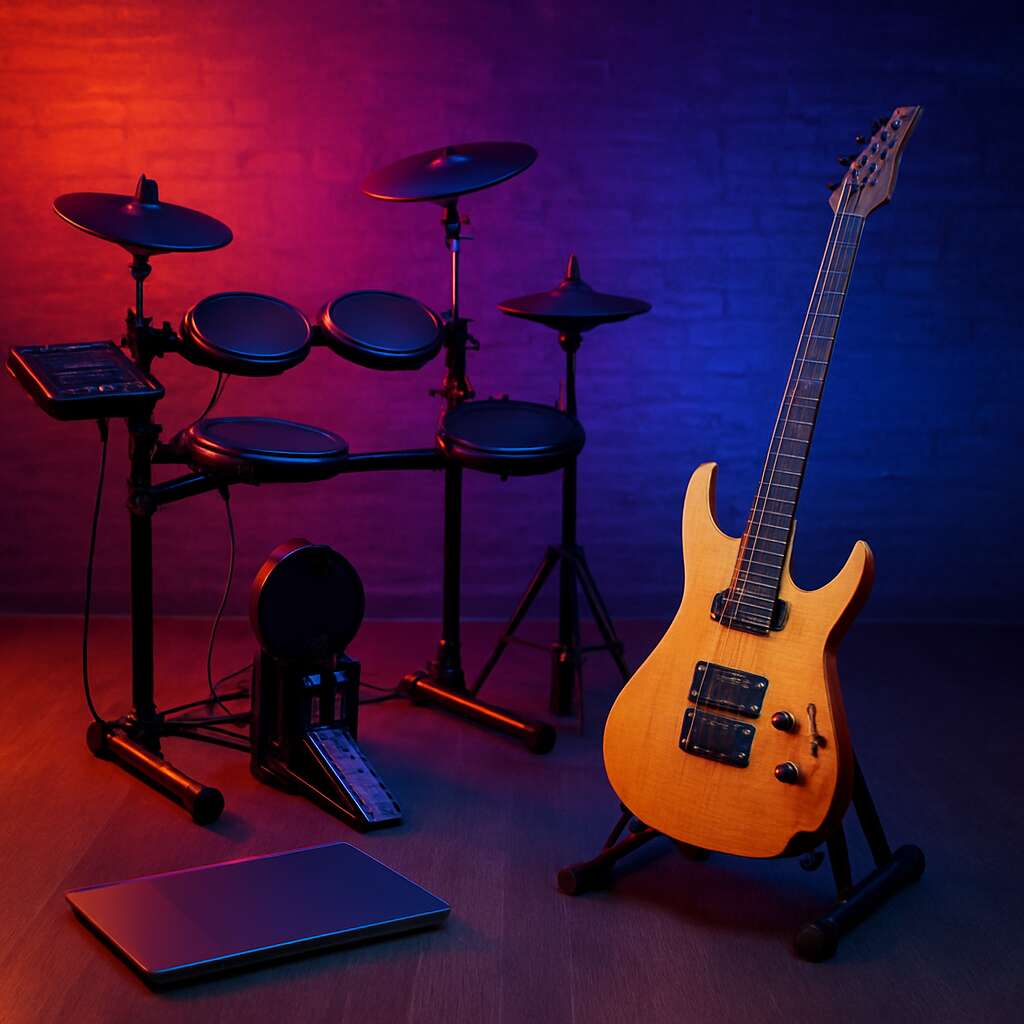
Introduction to Smart Musical Instruments
Overview of Smart Instruments – Definition and evolution of smart musical instruments
Smart musical instruments are revolutionising how musicians engage with their craft, blending technology with tradition in a way that feels almost intuitive. These innovations, like self-tuning guitars and digital drums, have evolved from simple electronic enhancements to sophisticated tools that adapt in real-time to a performer’s needs. What once required endless tuning sessions and manual adjustments can now be achieved effortlessly, thanks to embedded sensors and intelligent software. This evolution has made playing more accessible and expressive, allowing musicians to focus on creativity rather than technical hurdles.
At the heart of this shift lies the idea of responsive, user-friendly design—bringing harmony between human touch and advanced machinery. Smart musical instruments are designed to understand tuning discrepancies and correct them on the fly, providing consistent sound quality. Digital drums, for example, can emulate numerous acoustic set-ups while offering seamless customization. This seamless integration of technology into musical performance underscores a new era for artists, fostering innovation and experimentation like never before. Exploring the landscape of smart musical instruments reveals a future where musicians and machines work in perfect harmony, inspiring new waves of musical expression.
Types of Smart Instruments – Self-tuning guitars, digital drums, and beyond
The world of musical expression continues to morph into a realm where technology and artistry intertwine seamlessly. Among the luminous stars of this transformation are smart musical instruments—innovative marvels that captivate with their intuitive design and extraordinary capabilities. These instruments are far from mere electronic gadgets; they embody a new era of musical storytelling, where complex processes occur invisibly to allow musicians to focus purely on their craft.
Within this realm, self-tuning guitars stand out as enchanting creations—equipped with embedded sensors that detect pitch and harmony discrepancies in real-time, adjusting strings automatically. This eliminates the need for endless tuning sessions, turning what was once a tedious task into a fleeting moment. Alongside them, digital drums present another facet of smart musical instruments, offering the ability to emulate a plethora of acoustic drum setups with a simple tap or twist. With their user-friendly interfaces, digital drums encourage spontaneous experimentation and creative freedom.
- Self-tuning guitars
- Digital drums
- Analog-to-digital integration
The evolution of these instruments signals a greater shift towards harmony between human touch and intelligent technology, fostering a musical landscape where innovation flows as freely as inspiration. As the universe of smart musical instruments expands, so does the potential for artists to craft sounds that once belonged solely to their imagination, now brought vividly into reality.
Benefits for Musicians – Enhanced performance, convenience, and creative possibilities
Imagine a world where tuning your guitar feels as outdated as floppy disks or where drum patterns can be manipulated with a flick of your wrist. Welcome to the era of smart musical instruments—an innovative realm where technological wizardry meets musical artistry. With features like self-tuning guitars and digital drums, these devices aren’t just gadgets; they are game-changers for musicians who crave convenience and creative freedom.
One of the most alluring benefits of smart musical instruments is the enhanced performance they enable. Self-tuning guitars, for instance, use embedded sensors to detect pitch discrepancies and automatically recalibrate the strings. This means musicians can concentrate on expressiveness instead of constantly battling with tuning issues, saving valuable rehearsal time and energy. Digital drums, on the other hand, produce a vast array of acoustic drum sounds at the tap of a button, encouraging spontaneous experimentation that was once limited by physical constraints.
The beauty of smart musical instruments lies not only in their impressive technical features but also in how they simplify the creative process. Whether you are a seasoned professional or an enthusiastic hobbyist, these instruments cultivate an environment where inventive ideas flow freely. For example, a musician can progress from traditional chords to complex digital soundscapes without changing instruments or losing focus.
In terms of user experience, smart instruments seamlessly blend Analog-to-digital integration, allowing for compatibility with recording software, apps, or even virtual reality platforms. This integration fosters a more connected and intuitive music-making environment. As the popularity of these innovations grows, so does the list of benefits that include:
- Consistent tuning for a flawless sound
- Instant access to a multitude of instrument voices
- Reduced setup time, making gig prep more manageable
- Creative freedom to explore multifaceted musical expressions without limitations
With each technological upgrade, it becomes evident that smart musical instruments are redefining the traditional approaches to making music. The marriage of tactile artistry and digital sophistication creates a landscape where anyone—regardless of skill level—can achieve professional-quality sound. So, whether you’re strumming a self-tuning guitar or experimenting with a set of digital drums, remember: these devices are not just tools—they are portals to a future where musical expression knows no bounds.
Features and Technologies Behind Self-Tuning Guitars
How Self-Tuning Works – Sensor technology and automatic tuning algorithms
Imagine a realm where musical instruments think for themselves, adjusting pitch and tone with mystic precision. Self-tuning guitars exemplify this magic, blending sensor technology with advanced tuning algorithms to create instruments that are eternally in harmony. These smart musical instruments analyze string vibrations in real time, sensing pitch deviations with extraordinary sensitivity.
The core technology behind self-tuning guitars involves a network of miniature sensors embedded within the instrument, continuously monitoring tension and vibration. This data feeds into automatic tuning algorithms—complex yet seamless—that recalibrate the strings instantaneously.
- High-precision piezo sensors capture subtle vibrations.
- Microprocessors interpret data swiftly to determine pitch discrepancies.
- Motorized tuners adjust string tension with delicate finesse, restoring perfect pitch.
For digital drums, sensors detect stick impacts and sound reflections, enabling an intuitive interface driven by digital signal processing. These innovations elevate the performance of smart musical instruments, making tuning and sound production feel almost magical while remaining rooted in sophisticated technology.
Materials and Design – Innovative materials and ergonomic considerations
In the symphony of innovation, the materials and design of smart musical instruments stand as silent poets, whispering promises of craftsmanship and harmony. Self-tuning guitars, for instance, are not merely crafted from wood and metal; they are forged with innovative composites that enhance resonance and durability. These materials are carefully selected to balance weight and stability, ensuring that every strum resonates with clarity and finesse. The integration of lightweight, high-strength polymers or layered woods allows for ergonomic comfort, transforming the player’s interaction into an effortless dance of fingers and mind.
Design ingenuity plays a pivotal role in unleashing the true potential of smart musical instruments. The placement of miniature sensors and motorized tuners is meticulously considered to maintain the aesthetic elegance while optimizing functionality. Besides, the sleek, modern contours of self-tuning guitars and digital drums are crafted with the musician’s ease in mind—imagine seamless access to control interfaces, tactile and resilient, fitting perfectly within the grasp of a seasoned performer or a curious novice. This harmony of form and function ensures that the technology remains intuitive, unobtrusive, and inspiring.
To elevate these devices into works of art, manufacturers often employ innovative materials like carbon fiber reinforcements, which enhance responsiveness and longevity, or advanced composites that absorb vibrations more efficiently. Additionally, the materials used in the electronics housing are designed to withstand environmental factors, ensuring consistent performance in live settings or studio sessions. In the realm of smart musical instruments—be they self-tuning guitars or digital drums—each element is a testament to thoughtful engineering, emphasizing both durability and aesthetic allure.
- Lightweight, high-strength polymers for ergonomic comfort and durability.
- Strategically placed sensors that blend seamlessly into elegant, modern design.
- Innovative composites that amplify resonance while maintaining structural integrity.
Integration with Software – App connectivity and customization options
At the heart of the evolution of smart musical instruments lies a realm where technology and artistry intertwine seamlessly. Self-tuning guitars, for example, harness sophisticated integration with software that elevates performance beyond traditional limitations. With intuitive app connectivity, musicians gain unparalleled control over their instrument’s tuning, tone, and even bespoke configurations, all at their fingertips. The real magic is in the customization options—whether tweaking subtle tonal nuances or establishing preset tunings for different genres—each musician can craft a unique sound signature.
Smart musical instruments like self-tuning guitars and digital drums are now equipped with cutting-edge features that transform how artists create. Through wireless Bluetooth or Wi-Fi connection, these devices sync effortlessly with dedicated apps, transforming smartphones and tablets into command centres. This connectivity opens a treasure trove of features, including real-time tuning adjustments, layered effects, and data-driven performance analytics. As a result, the musician’s workflow becomes more fluid and creative, unchained from traditional tuning constraints.
Incorporating a variety of sensors and digital interfaces, these instruments also feature layered control options, from touchscreens to tactile knobs, making manipulation both intuitive and inspiring. An ordered list of standout features includes:
- Instantaneous self-tuning with precise pitch adjustments
- Customisable sound profiles and effect settings through specialized apps
- Cloud-based updates for firmware and software enhancements
Much like a legendary artisan whispering ancient secrets into a modern vessel, the integration of software with smart musical instruments breathes new life into age-old sounds. With every swipe and tap, a musician can craft their masterpiece, unbound by technical limitations. The fusion of innovative technology and artistic expression heralds a new era where self-tuning guitars and digital drums become not just tools, but extensions of the creative spirit itself.
Advantages for Players – Time-saving tuning, accuracy, and live performance benefits
Imagine tuning your guitar quicker than you can blink—sounds like a fantasy? Thanks to the marvels of technology, self-tuning guitars are turning that fantasy into reality. These smart musical instruments harness advanced sensor technology and automatic tuning algorithms that keep your instrument perfectly pitch-perfect, no matter the circumstance. No more fiddling with tuning pegs while the clock ticks down; instead, focus on your performance while your guitar whispers sweet serenades into the perfect tune.
One of the standout features is the time-saving advantage. With instant self-tuning capabilities, musicians can switch from one song to the next without missing a beat, or even during live performances—no more embarrassing detunes! The accuracy of these instruments ensures each note hits precisely where it should, creating a flawless sound that elevates your artistry.
Smart musical instruments like self-tuning guitars also offer layered control options, often through intuitive app interfaces. These allow users to customize sound profiles, effect settings, or even establish preset tunings for genres like jazz, metal, or folk—each tailored to perfection. In practice, this means you don’t have to spend hours adjusting knobs; instead, you craft your signature sound with a few taps on your device, making sound design both accessible and enjoyable.
For digital drums, similar smart technology means that intricate tuning adjustments or effect layering are performed seamlessly through wireless connectivity. Whether using Bluetooth or Wi-Fi, drummers access real-time data-driven performance analytics, enabling them to refine their groove with precision. Imagine a digital drum kit that adapts dynamically to your style, freeing you up to focus on the creativity at hand.
In essence, integrating these innovations into smart musical instruments unlocks a new dimension of live performance advantages and creative flexibility. The fusion of robust sensors, advanced algorithms, and user-friendly software creates an environment where musical expression is no longer limited by technical constraints. Whether strumming a self-tuning guitar or hammering out beats on digital drums, musicians find themselves unshackled—ready to push the sonic boundaries of tomorrow’s musical landscape.
Digital Drums and Electronic Percussion Instruments
Sound Customization and Sampling – Built-in sounds, sampling capabilities, and effects
In the grand symphony of innovation, digital drums stand as a testament to how smart musical instruments can redefine creative expression. These electronic percussion instruments transcend traditional boundaries, providing an orchestra of built-in sounds and sampling capabilities that turn mere rhythm into a universe of sonic possibilities. With a simple tap or swipe on an intuitive interface, musicians can access a vast library of effects that morph and blend sounds, making each performance uniquely expressive.
Harnessing the power of sophisticated sampling technology, digital drums and other smart musical instruments (self-tuning guitars, for instance) offer extraordinary sound customization. Artists can record their own samples or import external sounds, layering textures and effects with unparalleled ease. A characteristic feature of such instruments is their ability to mimic a variety of acoustic and electronic sounds, allowing performers to craft their signature tone with precision and artistry. This blend of versatility and technological finesse unlocks avenues for experimentation and innovation, elevating live performance and studio sessions to new heights.
Flexibility is further amplified by the seamless integration with software and app connectivity, which offers musicians unrivaled control over sound shaping and effect modulation. For the modern artist, this translates into instant access to a palette of options—whether tuning the instrument, adjusting sample parameters, or applying dynamic effects—all at their fingertips. In essence, smart musical instruments (self-tuning guitars, digital drums) have transformed the very essence of sound creation, harmonising technology with musicality in a dance as old as time yet forever renewed.
Hardware and Connectivity – MIDI compatibility, Bluetooth, and studio integration
Digital drums and electronic percussion instruments have become a cornerstone of modern musical innovation, with connectivity options that seem almost supernatural. Today’s smart musical instruments (self-tuning guitars, digital drums) seamlessly integrate with cutting-edge hardware to elevate performances in ways previously thought impossible. MIDI compatibility stands out as a game-changer, allowing musicians to connect their instruments directly to a vast array of digital audio workstations, synthesizers, and lighting setups. This unified ecosystem simplifies creative workflows, transforming raw beats into polished compositions.
Bluetooth functionality further amplifies this advantage, enabling wireless control and real-time updates without the clutter of cables. This wireless freedom allows performers to move freely on stage, adjusting effects or triggering samples on the fly—an almost hypnotic feat of technology and artistry. Studio integration is equally impressive, with smart musical instruments effortlessly syncing with recording software, ensuring that every nuance is captured with pristine clarity.
For those seeking an even more intuitive setup, many digital drums and smart instruments can be organized into
- custom MIDI mappings
- multi-channel outputs
- layered sound profiles
giving musicians tailored control over their sound palette. Whether live or in the studio, these features offer an almost clairvoyant level of flexibility, making digital drums the navigator of sonic exploration in today’s musical landscape.
Performance and Practice Tools – Metronomes, recording features, and practice modes
In a world where innovation flows as effortlessly as a melody, digital drums and electronic percussion instruments have become more than just tools—they are portals to a realm of endless creative possibility. For percussionists and rhythm aficionados, performance and practice transcend the mundane when equipped with advanced features like metronomes, recording modes, and versatile practice settings. These intelligent instruments serve as silent maestros, guiding timing with unwavering precision and inspiring musicians to elevate their craft without distraction.
Many smart musical instruments integrate seamlessly with practice tools that make honing one’s skill both intuitive and immersive. Imagine tapping into a digital drum set that not only records every nuance of your performance but also offers adjustable metronome settings to fine-tune your sense of timing. With layered practice modes, players can slow down complex passages without losing tone quality, creating a near-alchemy-like environment for mastery. Such features transform routine rehearsals into voyages where passion and technique harmonize effortlessly.
For those seeking auditory clarity and rhythmic discipline, some digital drums incorporate built-in sampling capabilities, allowing musicians to layer sounds or trigger unique effects during practice sessions. This flexibility turns everyday drills into a symphony of experimentation, freely exploring sonic landscapes beyond traditional boundaries. A well-designed practice feature isn’t just an auxiliary; it’s an enchanted companion that fosters growth with every beat.
- Adjustable metronomes for precise timing
- Recording features to capture performances
- Practice modes that slow down or loop sections for focused learning
Standing at the intersection of technology and artistry, smart musical instruments like self-tuning guitars and digital drums redefine what it means to perform and practice. Their thoughtful integration of features encourages musicians to delve deeper into their craft, whether in the silence of a studio or the chaos of a live show. Each tap, each beat, becomes part of a larger symphony—crafted with intention and delivered through a tapestry of technological wonder. These instruments, in their silent elegance, whisper promises of artistic growth and sonic exploration—an invitation to every musician eager to transcend the ordinary.
User Interface and Control – Pads, screens, and controller options
In the realm of smart musical instruments, digital drums and electronic percussion are leading the charge with their intuitive user interface and control options. These instruments transcend traditional boundaries by integrating versatile pads, high-resolution screens, and innovative controller designs that cater to a spectrum of skill levels. The tactile nature of drum pads—sensitive, responsive, and customizable—serves as the primary touchpoint, offering players an immersive experience that feels natural yet sophisticated.
Many smart musical instruments incorporate touch screens that display real-time feedback, enabling seamless navigation through sound banks, effects, and settings. These visual interfaces often come with intuitive controls that simplify complex operations, making live adjustments effortless during performances. The ability to assign sounds or tweak parameters directly from the controller heightens creative freedom, allowing musicians to experiment freely without breaking their flow.
Flexibility in control options extends to tailored hardware configurations. Some digital drums feature modular pad setups, allowing players to adapt their instrument to specific styles or performance environments. Others offer customizable MIDI control surfaces that connect wirelessly via Bluetooth or wired through USB, broadening the scope for studio integration or live use. Here’s a quick glance at common features:
- Velocity-sensitive pads that respond dynamically to touch
- Color touchscreen interfaces for detailed editing
- Wireless connectivity for seamless app synchronization
Controllers equipped with assignable knobs and sliders further unlock creative potential, enabling real-time modification of effects, mixing levels, or sample layers. This tactile approach to sound design makes smart musical instruments—like self-tuning guitars or digital drums—powerful tools for performers seeking both precision and expressivity in their craft.
Future Trends and Innovations in Smart Instruments
Artificial Intelligence Integration – AI-driven tuning, improvisation, and learning aids
As the realm of smart musical instruments unfolds, artificial intelligence emerges as a quiet revolution shaping how musicians perform and innovate. In particular, AI-driven tuning algorithms for self-tuning guitars and digital drums are redefining what’s possible on stage and in the studio. These advancements are not mere embellishments; they promise unprecedented levels of precision, allowing players to focus more on creative expression than technical adjustments. Imagine a guitar that intuitively recognizes pitch fluctuations and seamlessly corrects itself—this is no longer futuristic fantasy but a tangible reality shaping the future of smart musical instruments.
Looking ahead, the integration of AI with smart musical instruments offers a panorama of possibilities, including improvisation support and real-time learning aids. Developers are now exploring features such as AI-assisted songwriting, where algorithms analyze a musician’s style, offering tailored suggestions for chords, riffs, or beats. For instance, creative AI models embedded within digital drums can generate complex rhythms based on a user’s initial input, making practice sessions more inspiring and less tedious. To navigate these innovations smoothly, emerging systems might feature:
- Enhanced behavioral learning, adapting to individual playing styles
- Intelligent feedback systems to improve technique and timing
- Customizable AI accompaniments for synchronized live performances
Such groundbreaking developments ensure that smart musical instruments like self-tuning guitars and digital drums are not just tools but collaborative partners in musical artistry. The marriage of artificial intelligence and musical craftsmanship promises a creative journey that’s both intuitive and exhilarating—an evolution that echoes the timeless dream of musicians pushing the boundaries of what sound can express.
Enhanced Connectivity – Cloud-based collaborations and remote control
Connectivity is evolving quickly in the world of smart musical instruments. The future holds a promise of seamless cloud-based collaborations, allowing musicians across the UK and beyond to jam together in real-time, regardless of their location. Imagine sharing a digital drum session or tweaking a self-tuning guitar remotely—these are the new realities enabled by enhanced connectivity.
Emerging innovations include remote control capabilities, where artists can manage settings, effects, and even record directly through cloud platforms. This level of interconnectedness makes practice, live performance, and studio work more fluid than ever. For smart musical instruments like self-tuning guitars and digital drums, such features transform the way musicians interact with their gear, making collaboration almost effortless.
- Cloud-based services support real-time updates and firmware upgrades, ensuring instruments stay ahead technologically.
- Wireless protocols such as Bluetooth and Wi-Fi enable instant connectivity with smartphones, tablets, and computers.
In addition, new systems are integrating AI-powered features that adapt to user preferences during remote sessions, creating a more immersive experience. By prioritising enhanced connectivity, developers are pushing smart musical instruments into a new era of flexible, social, and creative potential. It’s clear that self-tuning guitars and digital drums will play a central role in shaping future musical expression.
Sustainable Design – Eco-friendly materials and energy efficiency
As the world gravitates toward sustainability, the future of smart musical instruments (self-tuning guitars, digital drums) lies in eco-friendly design and energy efficiency. The next wave of innovation is not only about pushing the boundaries of sound but also about reducing our environmental footprint. Imagine a self-tuning guitar crafted from sustainable, biodegradable materials that maintains peak performance while saving energy during operation— this is no longer a distant dream but an emerging reality.
Developers are increasingly integrating innovative materials such as recycled composites and bio-based plastics, blending durability with ecological responsibility. These choices ensure that musicians do not have to compromise on sound quality or playability, even while embracing environmentally conscious practices. For digital drums, energy-efficient components and power-saving modes are becoming standard, allowing high-level sound production without excess power use.
- Use of biodegradable and recycled materials
- Energy-efficient hardware with low power consumption
- Smart power management and renewable energy integration
This mindful approach fosters a symbiotic relationship between technological advancement and environmental stewardship. The sustainability effort extends to wireless protocols like Bluetooth and Wi-Fi, which are optimized for lower energy usage, further supporting eco-conscious operation. As smart musical instruments continue to evolve, their design will increasingly reflect a commitment to reducing waste, prolonging device lifespan, and promoting responsible manufacturing. The confluence of innovation and sustainability signals a future where the artistry of music no longer comes at the planet’s expense, making every performance a statement of ecological consciousness.
Emerging Technologies – Augmented reality, haptic feedback, and more
As technology continues to weave its spell into the realm of music, the horizon of smart musical instruments (self-tuning guitars, digital drums) begins to shimmer with possibilities that seem almost mystical. Emerging innovations are crafting new dimensions of interaction—where augmented reality (AR) and haptic feedback become as integral as the strings or drums themselves. Imagine donning AR goggles that immerse musicians in digital landscapes, allowing effortless visualization of tone, effect layers, or even collaborative performances across continents.
Haptic feedback, too, is transforming the tactile experience, giving musicians the sensation of physical contact with virtual surfaces, enhancing control and expressiveness. The interplay of these technologies fosters an unparalleled connection between artist and instrument, blurring the line between physicality and digital artistry. For instance, a self-tuning guitar embedded with augmented reality can display tuning guides or chord suggestions directly onto the fretboard, all while providing sensory cues through haptic vibrations that guide play.
- Enhanced immersive experiences through augmented reality.
- Realistic tactile sensations via advanced haptic technology.
- Intuitive control interfaces embedded within digital drums and guitars.
Such innovations signal that the future of smart musical instruments (self-tuning guitars, digital drums) isn’t solely about sound quality but also about redefining how musicians engage with their craft. With ongoing integration of virtual and physical worlds, each performance transforms into a tapestry woven with both tangible skill and digital wizardry, heralding a new era shaped by technological artistry and creative freedom.