
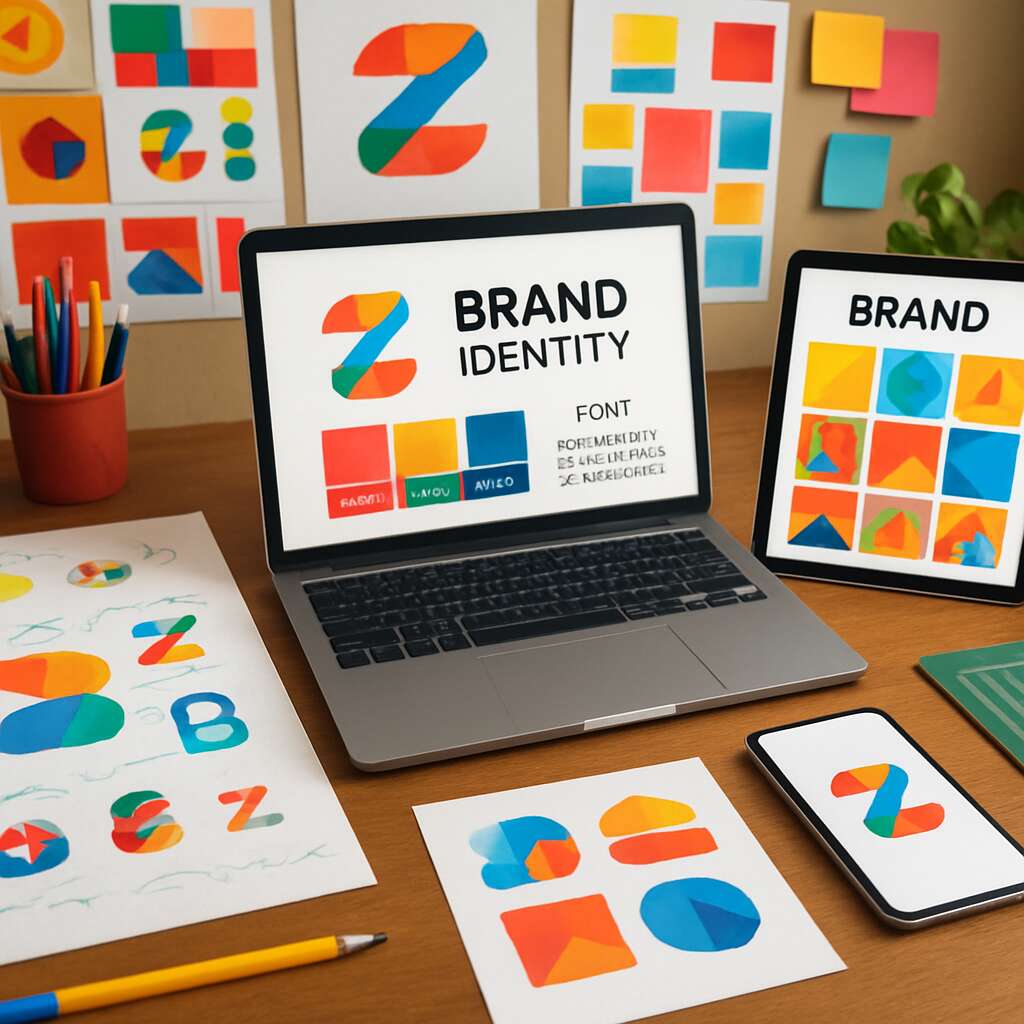
Fundamentals of Branding Design
Understanding Branding Design – Defining what branding design entails and its role in business identity
Branding design isn’t just about throwing a logo onto a napkin and hoping it sticks; it’s about crafting a visual symphony that captures the essence of a business. Think of it as the secret sauce that turns a simple product into a memorable experience. In essence, effective branding design communicates who you are, what you stand for, and why your audience should care—without uttering a single word.
Understanding branding design involves more than sleight of hand with colours and fonts; it’s about weaving a coherent narrative through visuals, typography, and imagery. A well-executed branding design creates trust, sets expectations, and differentiates you from competitors in a crowded marketplace. Remember, a splash of creativity mixed with strategic thinking makes branding design an indispensable tool for establishing a compelling business identity.
Core Elements of a Brand Identity – Logo, color palette, typography, and visual consistency
Good branding design is the soul of a business’s visual identity. It’s more than just an eye-catching logo; it’s about crafting a cohesive story that resonates deeply with your audience. The core elements of a brand identity—logo, color palette, typography, and visual consistency—act as the heartbeat of your branding design. When these elements harmonize, they create a memorable experience that builds trust and sets you apart in a crowded marketplace.
Take your logo, for example. It should be simple yet distinctive, capable of invoking an instant emotional response. The color palette, chosen with strategic intent, influences perceptions and evokes specific feelings—think vibrant reds that energise or calming blues that inspire trust. Typography plays a subtle yet powerful role, conveying personality—whether it’s sophisticated serif fonts or modern sans-serif types—each communicates a different tone. Visual consistency across every touchpoint, from digital platforms to print materials, cements your brand’s recognition and credibility.
- Logo as the visual anchor.
- Color palette that captures emotion.
- Typography that aligns with brand personality.
- Maintaining visual consistency across channels.
When these elements are thoughtfully integrated within a branding design, they work together to weave a compelling narrative. It’s this artistry that transforms a simple business into an iconic brand, fostering an emotional connection that endures beyond first impressions.
The Psychology Behind Effective Branding – How visual elements influence consumer perception and decision-making
Amid the chaos of consumer choices, understanding the psychology behind branding design can feel like unraveling a mysterious spell. Visual elements are not just aesthetic; they wield a subtle influence over perception and decision-making, shaping how audiences connect with a brand’s story. When crafted with intention, colors, typography, and imagery serve as enchanting signals—guiding emotions and fostering a sense of trust that endures beyond fleeting impressions.
Think about the color palette, for example. A vibrant red can ignite excitement, turning mundane browsing into an energetic experience. On the other hand, cool blues evoke calm and confidence, subtly persuading consumers toward loyalty. Typography is another powerful tool within branding design—each typeface whispers a personality, from the elegance of a serif font to the sleek modernity of a sans-serif. These choices weave a narrative that resonates on an unconscious level, making branding design an art of storytelling through visual cues.
- Colors evoke immediate emotional reactions.
- Typography communicates brand personality indirectly.
- Consistent visual cues shape lasting perceptions.
When these elements harmonise, they influence not just perceptions but also consumer behaviors—forming subconscious pathways that guide choices and foster loyalty. In the world of branding design, every visual detail acts as a silent ambassador of the brand’s core message, inviting audiences into a captivating journey of connection and recognition.
Brand Messaging and Voice – Aligning visual identity with strategic messaging
Within the realm of branding design, aligning visual identity with strategic messaging forms the backbone of a compelling brand narrative. It’s not enough for a brand to simply look captivating; its visual elements must resonate with the underlying story and core values that set it apart. When visual identity and brand messaging harmonise seamlessly, they create an immersive experience—an enchanting environment where consumers sense authenticity and purpose. This alignment weaves a tapestry that guides perception and underscores the brand’s voice in every interaction.
A well-crafted branding design communicates personality through vivid cues—be it a memorable logo or a distinctive color palette—that serve as a visual language. To deepen the connection, consider how your brand voice and visual cues collaborate, forming a unified front that amplifies recognition and fosters trust. In fact, many successful brands use a deliberate approach to make sure their visual identity echoes their strategic messaging, leaving a lasting imprint on their audience’s subconscious. After all, the art of branding design is about transforming complex narratives into captivating visual stories that naturally attract loyalty and admiration.
Importance of Brand Consistency – Maintaining uniformity across all platforms and touchpoints
Branding design isn’t just about creating a pretty face for your business—it’s about forging a cohesive identity that stands the test of time and trends. Maintaining brand consistency across all platforms and touchpoints is the secret handshake of memorable brands. When visual elements like logos, colour palettes, and typography are harmonised, customers recognise you instantaneously, turning familiarity into trust. Think of it as the sartorial signature that ensures your brand looks sharp everywhere—from social media to signage. A fractured visual presence can erode credibility faster than a poorly timed joke in a serious boardroom.
And yet, consistency isn’t just about repetition; it’s about telling one compelling story through every interaction. Brands that excel in this often employ a deliberate approach to branding design, where every graphic and message echoes their core essence. Whether you’re updating packaging or tweaking your website aesthetic, uniformity breathes authenticity into your brand narrative, making your company unforgettable in an increasingly crowded marketplace.
Key Components of Successful Branding Design
Logo Design Principles – Creating memorable and versatile logos
A memorable logo isn’t just a pretty picture — it’s a vital part of branding design that captures attention instantly. To create a design that lasts, simplicity matters. Think bold shapes, clear lines, and minimal detail. These elements ensure your logo is versatile enough to work on small business cards or giant billboards.
The principles of logo design emphasize uniqueness and clarity. A well-designed logo should be easy to recognise and reproduce across all platforms. Consider these foundational guidelines:
- Relevance: Align your logo with brand values.
- Timelessness: Avoid trends that fade fast.
- Versatility: Ensure clarity at any size.
- Originality: Stand out from competitors with a fresh approach.
By adhering to these core logo design principles, brands can craft identities that resonate long-term. Remember: effective branding design hinges on creating visual icons that are both memorable and adaptable.
Color Scheme and Typography – Choosing colors and fonts that represent brand values
In the realm of branding design, colour scheme and typography are the enchanting threads that weave a brand’s soul into visual harmony. The right palette isn’t just a feast for the eyes—it embodies the core values and personality of the brand. A sophisticated blend of hues can evoke trust, passion, or innovation, transforming ordinary visuals into an immersive experience. When choosing colours, consider their psychological impact, ensuring they resonate with the audience and reinforce brand identity.
Typography, often overlooked, is equally powerful. The fonts you select become the voice of your visual identity, communicating clarity and personality without words. Elegant serifs may evoke tradition, while sleek sans-serifs suggest modernity. A well-crafted typography style enhances memorability and ensures message clarity at any size, making your branding design truly versatile. To achieve a harmonious visual narrative, some brands incorporate
- a limited color palette for consistency,
- distinctive fonts that reflect personality,
- and subtle accents that guide emotion and perception.
Visual Style and Imagery – Utilizing imagery that complements brand identity
When it comes to branding design, visual storytelling is often underestimated. Yet, the visual style and imagery you choose can make or break your brand’s recognition. Think of images as the visual language that whispers your brand’s story without uttering a single word. They should align seamlessly with your brand identity, reinforcing the personality you aim to portray.
A well-curated visual style can evoke emotion, build familiarity, and create a memorable impression. Selecting imagery that complements your brand’s core message—be it playful, sophisticated, or innovative—ensures your audience feels connected on a deeper level. Some brands excel by using a consistent filter or tone in their photos, creating an unmistakable aesthetic.
Incorporating strategic imagery involves more than just picking pretty pictures. It’s about crafting a visual narrative that guides viewers naturally through your message. Still, it’s wise to think about the following:
- Relevance to brand values
- Consistency in style and colour tone
- Use of authentic, relatable imagery
Whether it’s a mix of curated photos, custom illustrations, or iconography, choosing visuals thoughtfully can elevate your branding design from mere aesthetics to a powerful storytelling medium. When visual style and imagery work in harmony with your overall branding strategy, they shape perceptions and foster loyalty—making your brand truly unforgettable.
Brand Style Guides – Documenting design standards for consistency
Behind every memorable brand lies a secret ingredient—an unshakeable foundation of consistency, meticulously documented in a brand style guide. While the visual chaos of new ideas can be exhilarating, without a solid framework for branding design, that energy risks dissipating into confusion. A well-crafted brand style guide acts like a compass, guiding every visual element to stay harmonised with the brand’s soul.
This guide doesn’t just keep colours and fonts aligned; it ensures every touchpoint reflects a unified story. It establishes formal standards for logo usage, typography, colour schemes, and imagery—an unchanging set of rules that provides clarity and coherence. Think of it as the blueprint for visual cohesion across websites, social media, packaging, and beyond.
By defining the rules for branding design, organisations can foster familiarity and trust with their audiences—creating a seamless visual experience that resonates deeply. When these standards are consistently applied, brands weave their identity into every interaction, making a lasting impression that turns viewers into loyal advocates.
Digital vs. Print Branding – Adapting design elements for different media formats
In a world flooded with digital and print media, adapting branding design for different formats is a craft that calls for both precision and empathy. The same visual elements that resonate warmly on a website must be adjusted thoughtfully when transferred to a printed leaflet or packaging. This duality not only reinforces the brand’s visual identity but also nurtures a deeper human connection with the audience.
Digital branding must captivate in a flash—colors need to pop on screens, fonts should be legible at various sizes, and imagery must load seamlessly across devices. Print branding, on the other hand, offers a tactile experience where texture, paper quality, and colour fidelity become vital. Here, branding design relies on achieving clarity and vibrancy without compromise, ensuring that a brand’s essence remains unwavering across mediums.
- Consistent colour palettes adapted for screen calibration and print ink.
- Typography choices that maintain legibility and aesthetic balance at different scales.
- Imagery that complements both the digital ambiance and printed material’s tangible charm.
Ultimately, blending branding design across digital and print formats demands a nuanced understanding of how visual cues translate from one medium to another. When executed with care, this approach fosters a cohesive brand experience that feels genuine, whether viewed on a smartphone or held in a customer’s hand. It’s this thoughtful adaptation that elevates a brand’s identity, turning everyday interactions into memorable moments of connection.
Strategic Approaches to Branding Design
Understanding Target Audience – Researching audience preferences and behaviors
Understanding target audience is the heartbeat of effective branding design. When you unravel the preferences and behaviors of your audience, you tap into a well of insight that can transform a generic brand into an unforgettable experience. This exploration goes beyond surface-level demographics; it involves deciphering the subconscious cues that influence consumer decisions.
Engaging in thorough research allows for the tailoring of branding design elements—such as visual cues, messaging tone, and imagery—that resonate on a personal level. Recognising these nuances enables brands to craft a compelling narrative that feels authentic and magnetic.
Focus on aspects like age, lifestyle, values, and purchasing habits to develop a comprehensive profile. Equally important is understanding emotional triggers, which can serve as guiding stars for design choices. As the landscape evolves, fine-tuning your understanding of the target audience remains an ongoing journey that keeps branding design sharp and relevant.
Market Positioning and Differentiation – Standing out in competitive landscapes
Standing out in a crowded marketplace isn’t about shouting louder—it’s about being strategically distinct. When it comes to branding design, carving a unique market position requires a dash of cleverness mixed with a splash of innovation. Forget blending into the background; your branding design should act like a neon sign in Times Square. By carefully analysing competitors and understanding what makes your brand’s voice truly unique, you can develop a visual identity that captures attention and leaves a lasting impression.
One effective approach involves creating a compelling differentiation strategy that highlights your brand’s innate qualities. Think of it as giving your brand a personality makeover—bold, memorable, and unmistakably you. An ordered list can illuminate how this is achieved:
- Identify your brand’s core strengths and values to shape a coherent visual narrative.
- Craft custom visual cues—logos, colour schemes, imagery—that speak directly to your target market.
- Align your messaging and visual style to reinforce your positioning at every touchpoint.
Embedding these elements into your branding design gives you a competitive edge, transforming an ordinary brand into an iconic presence in your industry. It’s not merely about aesthetics, but about strategic differentiation that resonates and endures amidst the noise of modern commerce.
Storytelling Through Design – Using visual storytelling to establish emotional connections
In a marketplace where consumers are bombarded with choices, the power of branding design becomes an elusive yet vital tool for forging emotional connections. Strategic storytelling through visual elements doesn’t just decorate a brand—it wields the extraordinary ability to evoke feelings, shape perceptions, and anchor loyalty. When executed with finesse, branding design transforms from mere aesthetics into a compelling narrative that whispers your brand’s essence at every glance.
To enthrall your audience and leave a lasting imprint, consider weaving your brand’s story into every facet of the visual identity. This involves crafting imagery, colour schemes, and typography that echo your core values—each component acting as a chapter in your brand’s story. When these elements align seamlessly, they create a fluid experience, gradually revealing your brand’s personality and purpose. This is where visual storytelling truly shines, evoking reactions that words alone may struggle to achieve.
- Designs that transcend superficial appeal and dive into emotional resonance
- Consistent imagery that reinforces brand message at every touchpoint
- Colours chosen not just for style, but to evoke specific feelings aligned with brand identity
In essence, branding design isn’t just about creating attractive visuals. It’s about constructing an intricate narrative that invites your audience into a world where they feel understood and inspired. When done with intention, every visual cue becomes a chapter of your brand’s story, gently guiding customers through an experience that feels authentic and memorable. That’s the kind of clever storytelling through design that not only captivates but endures, anchoring your brand into the hearts of your audience and forging deep emotional bonds that outlast fleeting trends.
Integrating Branding Across Channels – Ensuring cohesive presence online and offline
In a world where consumers are overwhelmed with choices, the way a brand presents itself across various channels can make all the difference. Strategic approaches to branding design ensure that a consistent and compelling visual identity is maintained, whether online or offline. This seamless integration isn’t just about aesthetics; it’s about weaving a cohesive story that resonates at every touchpoint.
To achieve this, every element of branding design must work harmoniously. From a well-designed website and social media profiles to printed materials and packaging, consistency builds familiarity. Use a unifying color palette, a distinctive typography style, and a coherent visual language. These details help your audience recognize and remember your brand, fostering trust and emotional engagement.
Implementing a visual style guide is one effective method to maintain cohesion. It acts as a blueprint, detailing how logos, fonts, and imagery should be used across all platforms. This method guarantees that your branding design remains uniform, offering customers a smooth, authentic experience wherever they encounter your brand. Engramming this strategy creates a well-rounded, authentic brand presence that endures beyond fleeting trends.
Ultimately, well-executed branding design rooted in strategic channel integration amplifies your brand’s voice—whether seen on a billboard in the countryside or scrolled through on a mobile device in a bustling city. As a result, a cohesive visual identity doesn’t just reinforce recognition; it builds an emotional connection that stays long after the initial impression is made.
Evolving Your Brand Identity – Refreshing visuals to stay relevant without losing recognition
In a competitive landscape where visual impression can make or break a brand’s legacy, Evolving Your Brand Identity through strategic branding design is paramount. Refreshing visuals isn’t about chasing fleeting trends; it’s about harmonising innovation with recognition. As brands grow, their visual elements need to reflect their evolving story, capturing new audiences while respecting historical roots.
A carefully planned branding design refresh ensures your brand stays relevant without losing its core recognition. This can be achieved through subtle updates to logo elements, refined color schemes, or modern typography that resonates with contemporary aesthetics. It’s about striking a delicate balance—preserving familiarity while embracing fresh perspectives.
One approach involves a phased overhaul, allowing audiences to adapt gradually while maintaining continuity. Incorporating storytelling through design can also help reinforce brand values during a visual update. By aligning new visuals with existing brand messaging, businesses can advance their identity without alienating loyal customers.
Tools and Trends in Branding Design
Design Software and Platforms – Popular tools for creating and managing brand assets
In an age where visual identity can make or break a brand, savvy marketers are turning to innovative tools and platforms to streamline their branding design process. The landscape of branding design software has evolved dramatically, offering unparalleled flexibility for creating, editing, and managing brand assets.
Popular tools such as Adobe Creative Cloud, Canva, and Figma have become staples, enabling teams to collaborate in real-time and ensure visual consistency across digital and print media. These platforms exemplify a broader shift toward user-friendly interfaces and dynamic functionalities that accommodate everything from logo refinement to comprehensive brand style guides.
A glance at current trends reveals an increasing reliance on intuitive, cloud-based environments that foster seamless integration across channels. From colour palette generators to typography management tools, these innovations are helping brands craft memorable visual narratives that resonate with their target audiences. Investing in top-tier branding design software ensures that your visual assets remain both versatile and aligned with your strategic vision, which is crucial in standing out in fiercely competitive markets.
Emerging Trends in Visual Branding – Minimalism, motion graphics, and sustainable design elements
In the ever-evolving realm of branding design, innovation whispers through the corridors of visual expression, shaping perceptions in subtle yet profound ways. The latest trends illuminate a captivating journey—minimalism, motion graphics, and sustainable design elements—each a brushstroke in the masterpiece of contemporary branding.
Minimalism, with its elegant austerity, strips away excess, revealing the soul of a brand in clean lines and restrained palettes. Motion graphics add a dance of dynamism, turning static logos into captivating stories that breathe life into brand stories, forging deeper emotional bonds. Sustainable design elements weave responsibility into aesthetics, telling a story that resonates with eco-conscious audiences, without sacrificing visual allure.
As brands navigate this landscape, they often lean toward intuitive tools that facilitate these trends—cloud-based platforms that harmonise design workflows and foster seamless collaboration across teams. Balancing the allure of sleek simplicity with the vitality of motion and sustainability, branding design becomes a canvas for authentic connection and enduring impact.
Role of Social Media and Digital Platforms – Leveraging visual content for brand engagement
In an era where a hundred digital impressions slip past in the blink of an eye, the role of social media and digital platforms in branding design is nothing short of transformative. When every scroll and tap offers a fleeting chance to make an impression, visual content takes centre stage in crafting memorable brand stories. Amidst the cacophony, sleek, compelling visuals act as the brand’s most persuasive ambassador, engaging audiences and fostering loyalty that endures long after the screen goes dark.
Take, for instance, the power of storytelling through visual media—where a well-executed motion graphic or a thoughtfully curated Instagram story can instantly convey brand personality and values. Businesses that master the art of strategic branding design harness these platforms to turn fleeting interactions into lasting connections. Leveraging social media isn’t just about posting pretty pictures; it involves a considered blend of authentic visuals that echo brand messaging, maintain consistency, and adapt seamlessly across various digital channels. As social platforms continue to evolve, the importance of native content that naturally integrates into user feeds keeps rising—demanding inventive approaches to visual content creation.
For branding design professionals, staying ahead often means employing a range of tools such as graphic design software, video editing platforms, and social media management systems. These tools facilitate the refinement and deployment of consistent visual styles that resonate with diverse audiences. Whether it’s crafting a captivating campaign or maintaining the integrity of a visual identity, the right digital platform ensures coherence while allowing room for innovative experimentation—an art form in itself. In this fast-paced climate, understanding how to tailor visual content for each social media arena has become as crucial as the brand story itself, making creativity and technical prowess the twin engines of effective branding design.
Importance of User Experience (UX) in Branding – Creating seamless and intuitive brand interactions
In a digital world obsessed with instant gratification, capturing attention is the equivalent of catching lightning in a bottle. With fleeting social media impressions flying by faster than a London cab, the tools we employ for branding design are more vital than ever. From vector graphics to dynamic motion graphics, creators are tapping into a bewildering array of software like Adobe Creative Cloud, Canva, and even TikTok’s native editing tools—each offering new ways to craft visuals that resonate long after the scroll ends.
Staying ahead means embracing emerging trends that redefine visual storytelling. Think minimalism—where less truly becomes more—and motion graphics that turn static images into captivating narratives. The latest in branding design also reverberates with sustainable design elements, reflecting a brand’s commitment to social consciousness. As user devices evolve, so do our expectations for seamless, high-quality visual content across platforms, making it essential to understand design tools to create cohesive, innovative branding assets.
On the technical front, mastering social media management platforms like Buffer or Hootsuite helps maintain that fine balance of consistency and creative experimentation. These tools enable the synchronization of visual style and tone, creating a unified narrative across diverse channels—ensuring brand messaging hits home every time. As trends in visual branding continue to morph, keeping an eye on the latest software capabilities and platform-specific design demands remains a game-changer. The art of branding design is evolving briskly, and staying up-to-date with these tools can turn a good brand into an unforgettable one.
In essence, understanding and utilising a broad spectrum of digital tools to craft engaging visuals is not just recommended but necessary. Whether you’re creating sleek logos, compelling motion graphics, or immersive social content, the right technology aides in forging an authentic, visually captivating identity. This, combined with an acute awareness of evolving trends, makes the difference between a brand that merely exists online and one that genuinely commands attention. In branding design, staying technologically savvy isn’t just optional — it’s the heartbeat of designing memorable brands.
Measuring Branding Effectiveness – Metrics and analytics to assess visual impact
In the bustling realm of branding design, the true art lies in measuring its invisible yet impactful influence. As brands chase the shimmer of recognition, understanding how to gauge visual impact becomes a secret portal to mastery. Metrics and analytics act as enchanted tools, revealing whether the crafted visuals sway moods, inspire loyalty, or simply linger in the memory. Knowing which signals to watch—the click-through rates, engagement duration, or social shares—transforms raw data into a treasure map that guides future efforts.
Scrutinising the effectiveness of branding design involves a symphony of subtle indicators. By harnessing bespoke analytics platforms or social media insights, creators can observe how a visual element performs across diverse channels. The goal is to compare aesthetic consistency with emotional resonance, ensuring that strategic messaging aligns seamlessly with visual storytelling. An understanding of these metrics allows brands to cultivate a magnetic presence—one that leaves a lasting impression in an ocean of fleeting scrolling moments.
- Track engagement rates to see how audiences respond emotionally to visual content.
- Measure brand recall by analysing repeated interactions and recognition metrics.
- Monitor social media shares and comments as a reflection of the visual content’s resonance.
As the digital landscape evolves with glittering new platforms and changing user behaviours, the importance of indicators that reveal true effectiveness in branding design escalates. Insights garnered from data help artisans of visual storytelling refine their colour palettes, typography choices, and overall aesthetic harmony—crafting visuals that captivate and convert. The ability to interpret these signals becomes a modern-day spellbook, transforming artistic endeavour into results-driven enchantment. This ongoing dance between design and data continues to shape brands into memorable legends of their own making.