
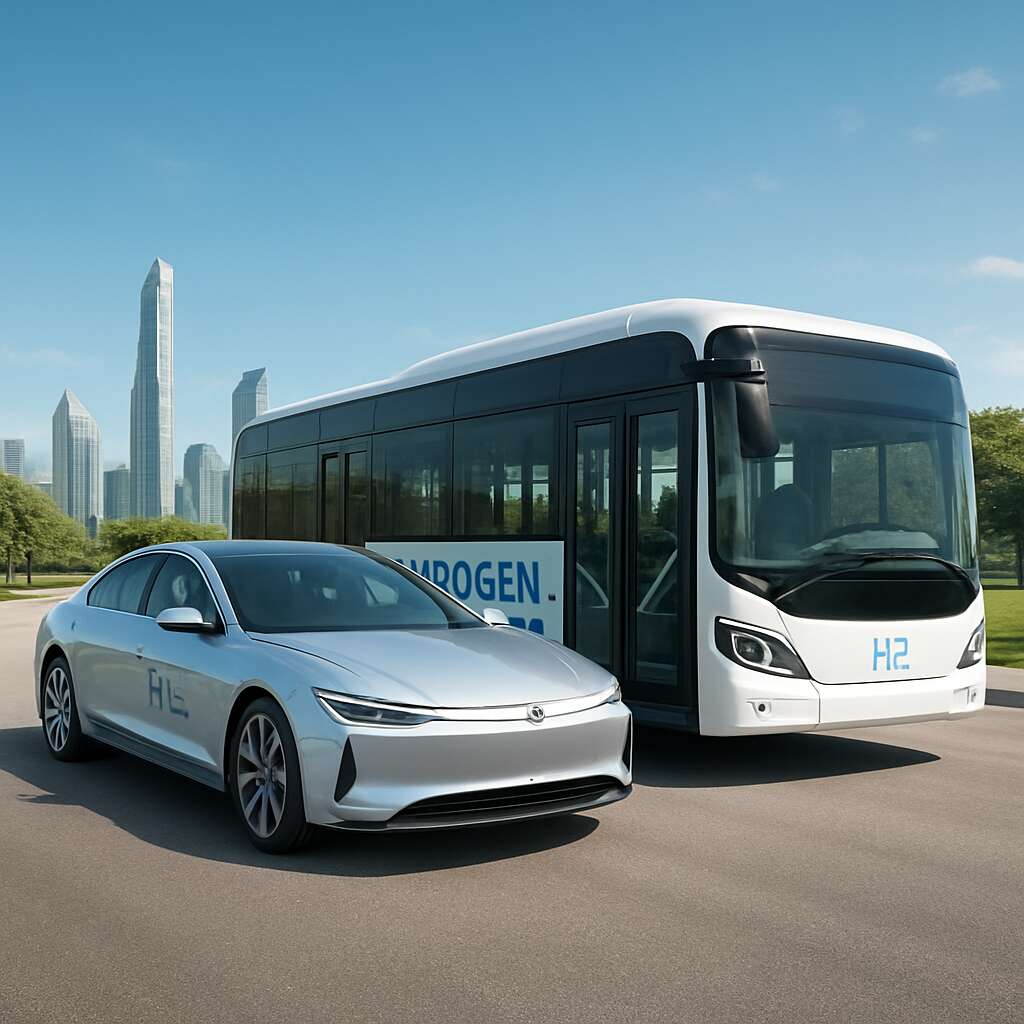
Environmental Benefits and Sustainability of Hydrogen Vehicles
Hydrogen as a Zero-Emission Fuel
Hydrogen-powered cars & buses embody a remarkable shift toward sustainable transportation, illustrating a promising path for reducing our carbon footprint. Unlike traditional vehicles, these zero-emission vehicles rely solely on hydrogen as their primary fuel—resulting in water vapour and heat as the only byproducts. This transformation of energy sources aligns perfectly with global efforts to combat air pollution and reduce greenhouse gases, demonstrating a serious commitment to environmental preservation.
The strength of hydrogen as a zero-emission fuel lies in its potential to foster long-term sustainability in public and private transport sectors. Hydrogen-powered cars & buses do not produce exhaust emissions, making them a vital component for cities aiming to improve air quality. With the capacity to operate efficiently on renewably produced hydrogen, these vehicles symbolize more than just technological innovation—they represent a philosophical shift toward responsible stewardship of our planet’s resources.
- Reduced reliance on fossil fuels
- Lower greenhouse gas emissions
- Minimal noise pollution in urban environments
Impact on Air Quality and Urban Environments
Imagine a city where air pollution fades into a distant memory, replaced by a breath of fresh, clean air. Hydrogen-powered cars & buses are spearheading this transformation, offering a breath of natural purity for urban environments. By reducing reliance on fossil fuels, these vehicles help lower greenhouse gas emissions, paving the way for environmentally harmonised transportation systems.
In densely populated areas, the impact on air quality is profound—emissions vanish, giving city dwellers a healthier, more breathable atmosphere. One remarkable aspect of hydrogen-powered cars & buses is their silent operation, which contributes to lower noise pollution amidst bustling streets. This quiet revolution not only benefits the environment but also enhances quality of life for city residents.
What makes hydrogen-powered vehicles especially appealing is their potential to operate on renewably produced hydrogen, encouraging a sustainable and circular energy economy. As cities strive to meet ambitious climate targets, these vehicles serve as a symbol of hope—a clean, efficient alternative that could redefine urban mobility for generations to come. After all, cleaner air and quieter streets are within reach, driven by the promise of hydrogen as a potent, zero-emission fuel source.
Contribution to Climate Change Mitigation
In a world teetering on the brink of environmental crisis, Hydrogen-powered cars & buses present an inspiring glimpse into a sustainable future. Their role in climate change mitigation transcends mere innovation, serving as a catalyst for profound ecological harmony. Unlike traditional vehicles, these fuel cell marvels operate without emitting carbon dioxide, a feat that offers a tangible reduction in greenhouse gases when powered by renewably produced hydrogen. This shift not only curtails air pollution but also fosters a circular energy economy increasingly vital to the UK’s ambitious climate targets.
The true environmental benefits extend beyond emissions. Hydrogen-powered cars & buses contribute to a quieter, more serene urban landscape—free from the cacophony of noise pollution that plagued city life. They exemplify a seamless integration of efficiency and ecological sensitivity, reducing our collective ecological footprint bit by bit. As cities worldwide push for greater sustainability, harnessing hydrogen as an alternative fuel source becomes a strategic move, aligning economic growth with environmental stewardship.
- Sustainable fuel source from renewable energy
- Reduction in greenhouse gas emissions
- Decreased urban noise pollution
- Contribution to circular energy systems
The future of urban mobility hinges on these clean, silent giants—emissive-less, progress-driven, and ultimately transformative. Hydrogen-powered cars & buses embody the convergence of innovation and environmental responsibility, offering a pathway that can arrest the relentless march of climate change while redefining what sustainable transportation truly means.
Hydrogen Production Methods and Their Sustainability
Amidst the whisper of a cleaner, greener future, the sustainability of hydrogen-powered cars & buses shines like a beacon of hope. Their environmentally friendly profile pivots on a pivotal factor: how the hydrogen itself is produced. When derived from renewable energy sources such as wind or solar, the production process becomes virtually self-sustaining, forming the backbone of a circular energy economy. This approach not only amplifies the ecological advantages but also ensures that the fuel remains a truly sustainable option for urban mobility.
Hydrogen production methods like electrolysis present a particularly promising avenue. Powered by renewable electricity, electrolysis splits water into hydrogen and oxygen without releasing greenhouse gases. Yet, a subtle challenge remains—the alignment of electrolysis efficiency with the UK’s expanding renewable infrastructure. I’ve often wondered if innovative storage solutions could enhance the sustainability of hydrogen systems, making hydrogen-powered cars & buses even more eco-compatible. Either way, the growing investment in green hydrogen cultivation signifies a step closer to a future where our daily commutes help heal rather than harm our planet.
Life Cycle Analysis and Resource Management
As the world seeks more sustainable transportation options, hydrogen-powered cars & buses emerge as a beacon of environmental promise. Their lifecycle analysis reveals that, when managed correctly, these vehicles can significantly reduce the ecological footprint of urban mobility. Unlike traditional internal combustion engines, hydrogen fuel cells emit only water vapor, ensuring a dramatic decrease in air pollutants that harm urban air quality.
Resource management plays a critical role in maximizing the sustainability of hydrogen-powered cars & buses. Efficient use of water in electrolysis, combined with renewable energy sources, creates a closed-loop system that minimizes waste and environmental impact. Through a considered approach to resource allocation, the entire lifecycle—from production to disposal—can be optimized to favor sustainability.
- Utilizing renewable electricity for electrolysis helps decrease greenhouse gas emissions associated with hydrogen production.
- Innovative storage solutions enhance energy efficiency and resource use, ensuring hydrogen remains a genuinely sustainable fuel.
Much like a ripple on a tranquil pond, the choices made in resource management influence the broader ecosystem of urban transport. When these elements align, hydrogen-powered cars & buses grow more than just a technological alternative—they become an ethical statement, emphasizing environmental stewardship and social responsibility in the pursuit of a cleaner, greener future. This delicate balance of lifecycle management and resource efficiency underpins their role in the transition toward sustainable mobility.
Technology and Infrastructure Development
Fuel Cell Technology in Car and Bus Design
Hydrogen-powered cars & buses are redefining the way we view sustainable transportation, but the true revolution lies in the intricate dance of technology and infrastructure development. Fuel cell technology sits at the heart of this transformation, encapsulating a delicate balance of innovation and necessity. It’s fascinating to see how advancements in membrane materials and electrode design have enhanced efficiency, making hydrogen vehicles more viable for everyday use.
Building the foundation for this technology requires a robust infrastructure—dedicated hydrogen refuelling stations are the arteries of this new mobility. Here, progress isn’t just about pouring fuel; it’s about creating an ecosystem where hydrogen can be produced, stored, and distributed without compromising its clean reputation.
- Rapid deployment of refuelling stations
- Standardisation of hydrogen storage systems
- Investments in green hydrogen production facilities
The evolution of car and bus design is inherently linked to these infrastructure developments, as manufacturers strive to integrate fuel cells more seamlessly into their vehicles. Each step forward in technology and infrastructure development makes hydrogen-powered cars & buses not just a fleeting trend but a cornerstone of a resilient, zero-emission future.
Hydrogen Storage Solutions
The battle to establish hydrogen-powered cars & buses as the backbone of sustainable transportation hinges on one critical factor: advanced hydrogen storage solutions. Without reliable and safe storage, the promise of this clean energy revolution risks remaining unfulfilled. Innovations in high-pressure tanks and solid-state storage materials are changing the game—yet the question remains: can these developments keep pace with the rapidly expanding fleet of hydrogen-powered vehicles?
Cutting-edge storage systems are designed to maximize safety and efficiency while maintaining the necessary compactness for urban mobility. Since space is at a premium in city environments, researchers focus on creating lighter and more resilient containers. This is where materials like composite carbon-fibre reinforced tanks come into play, offering a delicate balance of strength and flexibility. Such advancements not only enhance safety standards but also unlock new possibilities for the design and deployment of hydrogen-powered cars & buses in densely populated areas.
As the infrastructure for hydrogen refuelling matures, the role of flexible storage solutions becomes clearer. Consider this ordered list of fundamental elements shaping hydrogen storage development in the UK:
- High-pressure, lightweight tanks for rapid refuelling
- Novel solid-state storage materials for higher energy density
- Standards for safety, maintenance, and interoperability across different vehicle models
These innovations hint at an exciting future where hydrogen-powered cars & buses can operate seamlessly across cities, highways, and rural areas. The ongoing evolution of hydrogen storage is unraveling the potential to make this clean energy source not just a niche alternative but a mainstay of the transportation ecosystem.
Refueling Station Networks and Accessibility
As the demand for sustainable transportation accelerates across the United Kingdom, the development of a reliable, widespread refueling station network becomes more than a logistical challenge—it transforms into a societal imperative. Hydrogen-powered cars & buses represent a catalyst in this shift, promising zero-emission travel that harmonizes with urban life’s pulse. Yet, without seamless and accessible infrastructure, even the most innovative vehicle technology risks remaining parked and unused.
Building upon the foundation of hydrogen storage solutions, the sophistication of refueling stations is evolving at a remarkable pace. The future envisions a network where refill times rival conventional fuels—an essential feature for the busy schedules of city dwellers and fleet operators alike. The proliferation of high-pressure, fast-fill tanks, coupled with an expansive grid of strategically located stations, ensures that hydrogen becomes as accessible as gasoline. This expansion not only supports hydrogen-powered cars & buses but encourages consumers and municipalities to embrace this cleaner transportation option.
Creating an interconnected refueling infrastructure requires strategic planning, including:
- Developing refueling stations in urban centres and along key transit routes
- Ensuring interoperability and safety standards across different vehicle models
- Expanding access in rural areas to support the full geographic reach of hydrogen-powered transport
Such developments promise a future where hydrogen-powered cars & buses are woven into the UK’s transportation fabric, enabling journeys that align with environmental ambitions and those who value seamless mobility. The ongoing infrastructure expansion, driven by innovative technology and forward-thinking policies, is paving the way for a cleaner, smarter transportation ecosystem that everyone can access and depend on. In this bold new landscape, hydrogen refueling becomes not just an option but a standard of urban and rural mobility alike.
Advancements in Fuel Cell Durability
Advancements in fuel cell durability are transforming the way hydrogen-powered cars & buses are perceived and adopted across the UK. Modern fuel cells are now designed to last longer, withstand harsher conditions, and operate more efficiently, addressing one of the primary concerns of early adopters. This progress is vital because it directly impacts the lifecycle cost and reliability of hydrogen-powered vehicles, making them a more practical choice for everyday use.
Recent developments include the refinement of membrane materials and electrode stability, significantly reducing degradation over thousands of hours of operation. Such improvements ensure that hydrogen-powered cars & buses can maintain high performance on busy urban routes and long-distance journeys alike. Even with these technological strides, there remains an ongoing push to enhance durability through innovative manufacturing processes and better quality control.
In addition, the industry is embracing the potential of modular design and scalable components. Here’s how these advancements are shaping the future:
- Increased resistance to corrosion and temperature fluctuations
- Enhanced catalyst lifespan, reducing the need for frequent replacements
- Faster startup times, supporting quick refueling and minimal downtime
These strategic improvements not only prolong the lifespan of fuel cells but also align with expanding infrastructure for hydrogen refueling stations. As a result, the evolution of fuel cell technology remains a cornerstone in making hydrogen-powered cars & buses a mainstay of sustainable UK transportation, promising longer-lasting, more dependable zero-emission travel options for all.
Integration with Renewable Energy Sources
As the UK charts its course toward sustainable mobility, integrating technology and infrastructure development with renewable energy sources emerges as a defining challenge and opportunity. Hydrogen-powered cars & buses stand at the frontier of this transition, embodying a vision where clean energy fuels our daily journeys. Yet, the real breakthrough lies in how seamlessly these advancements can be woven into a broader renewable energy framework.
Creating an interconnected network between hydrogen refueling stations and renewable power sources transforms the potential of hydrogen as a truly zero-emission fuel. This integration involves the deployment of green hydrogen production facilities powered by wind and solar, aligning energy generation with transportation needs. Such synergy not only reduces reliance on fossil fuels but also fortifies the resilience of the entire system.
Innovative strategies include:
- The use of excess renewable energy to produce hydrogen via electrolysis, effectively utilizing surplus power.
- The development of smart grid systems that adapt in real-time to energy demand fluctuations.
- The implementation of modular infrastructure planning, ensuring the scalable deployment of hydrogen refueling stations compatible with both urban and rural routes.
In this symphony of technological evolution and renewable energy, hydrogen-powered cars & buses are more than mere vehicles—they are the tangible manifestation of a sustainable future waiting to unfold on British roads. Every pedal pressed and every bus filled becomes a statement about the human capacity for change and the relentless pursuit of harmony with our environment.
Market Adoption and Industry Trends
Global Market Leaders and Key Players
Market adoption of hydrogen-powered cars & buses is gaining momentum across the globe, driven by a collective desire to reduce emissions and foster sustainability. Countries leading this transition include the United Kingdom, Germany, Japan, and South Korea, each investing heavily in infrastructure and innovation. Industry trends reveal a shift towards integrating fuel cell technology into public transportation and private fleets, with governments offering incentives to accelerate adoption. Major industry players such as Hyundai, Toyota, Ballard Power Systems, and Nikola are pioneering advancements in hydrogen fuel cell design and deployment. These companies are not only expanding their portfolio but also collaborating with energy providers to establish comprehensive refueling networks, making hydrogen-powered cars & buses more accessible and practical for everyday use. As the sector matures, a more competitive landscape will emerge—one characterized by continuous innovation and strategic investments that promise to reshape urban mobility for decades to come.
Government Policies and Incentives
As the race toward sustainable urban mobility accelerates, governments worldwide are recognizing the transformative potential of hydrogen-powered cars & buses. With emissions reduction at the forefront of policy agendas, many nations are establishing ambitious targets for fleet electrification and alternative fuel adoption. In the United Kingdom, a strategic push toward hydrogen infrastructure means that cities are beginning to see the dawn of cleaner, more efficient transportation options. Industry trends indicate a surge in integrating fuel cell technology into public transportation, driven by a combination of environmental concerns and technological advancements.
Government policies are often paired with incentives designed to accelerate adoption, such as subsidies for installing hydrogen refueling stations or grants for manufacturers innovating in fuel cell design. Many countries are also launching pilot projects to test and demonstrate the viability of hydrogen-powered cars & buses on a regional scale. These initiatives aim to create a seamless refueling network, making hydrogen vehicles more practical for everyday use. As the momentum continues, a clearer picture emerges: governments and industry players are shaping a landscape where hydrogen-powered transportation is not just a niche but a tangible, scalable solution to urban mobility challenges.
Commercial Fleet Adoption Cases
Hydrogen-powered cars & buses are stirring a quiet revolution across the UK’s urban landscapes. As cities grapple with air quality crises and climate commitments tighten, the natural appeal of zero-emission transportation becomes undeniable. Industry trends indicate a rising adoption rate, driven by an increasing number of successful commercial fleet cases that serve as living proof of hydrogen’s potential. Fleet operators are embracing this alternative fuel, witnessing firsthand how hydrogen-powered cars & buses can operate efficiently over long distances with swift refueling times that rival traditional fuels.
Within the realm of commercial fleet adoption, diverse sectors—from public transit authorities to private logistics firms—are paving the way for greener future mobility. Here’s a glimpse of what’s unfolding:
- Transit agencies replacing diesel buses with hydrogen-fueled counterparts, reducing emissions while maintaining operational reliability.
- Logistics companies integrating hydrogen-powered trucks and delivery vans into their fleet for cost-effective, sustainable logistics.
The industry’s trajectory reveals a clear momentum: hydrogen-powered cars & buses are no longer distant dreams but are rapidly becoming cornerstone assets in modern urban transportation. This shift illustrates an innovative response to urban mobility challenges, blending cutting-edge fuel cell technology with pragmatic fleet management.
Challenges and Barriers to Adoption
As the tide of innovation surges forward, the industry faces a delicate dance between promise and obstacle. Market adoption of hydrogen-powered cars & buses accelerates, yet the journey is riddled with challenges that test the resolve of pioneers. Industry trends indicate a nascent but promising growth trajectory, driven by an increasing appetite for sustainable transportation solutions. Yet, barriers still cast shadows over widespread implementation.
High costs associated with fuel cell manufacturing and limited economies of scale hinder rapid adoption. Infrastructure remains a fragile network—refueling stations for hydrogen-powered cars & buses are sparse, often rendering the technology inconvenient for daily use. The fragmented nature of the supply chain, coupled with regulatory ambiguity, can dissuade investment and slow progress. Despite these hurdles, strategic collaborations and government incentives are gradually fostering a fertile ground for growth.
- Cost and infrastructure challenges must be addressed to unlock broader deployment.
- Public awareness and acceptance are pivotal in shifting perception and encouraging adoption.
- Regulatory frameworks need to evolve swiftly to accommodate emerging fuel technologies.
As industry players navigate this landscape, they are forging resilient pathways—transforming obstacles into opportunities—fueling the silent but unstoppable revolution of hydrogen-powered cars & buses in the United Kingdom’s urban horizon.
Future Market Forecasts
Hydrogen-powered cars & buses are quietly sneaking into the UK’s urban tapestry, promising a cleaner, greener future that some say smells better than late-night kebabs. Market adoption is accelerating, driven by a rare combination of policy momentum and a rising public curiosity about sustainable transportation. Industry forecasts suggest that by 2030, hydrogen-powered cars & buses could make up a significant slice of the UK’s zero-emission vehicle pie, transforming streets into breath-easy zones.
Despite this optimistic outlook, challenges remain. Infrastructure, often dubbed the “Achilles’ heel” of hydrogen mobility, still requires substantial investment. Refueling stations for hydrogen-powered cars & buses are scattered like rare Pokémon, making daily commutes less convenient than they should be. Nevertheless, a few strategic collaborations between government and industry are starting to fill these gaps—step by step, station by station.
Future market forecasts hint at an upward trajectory, supported by improvements in fuel cell technology and increasing consumer acceptance. As more fleets convert to hydrogen-powered cars & buses, economies of scale should help lower costs, transforming what was once considered a niche into a mainstream choice. The road ahead is long, but the fuel for change is clearly being poured—and not just metaphorically—into hydrogen-powered vehicles’ promising journey in the UK’s sustainable mobility landscape.
Economic and Practical Considerations
Cost of Hydrogen Production and Vehicle Manufacturing
The cost of producing hydrogen remains a significant barrier for hydrogen-powered cars & buses, especially when considering widespread adoption in the UK. Currently, hydrogen production via steam methane reformation is relatively inexpensive but relies heavily on fossil fuels, raising questions about sustainability and future costs. Electrolysis powered by renewable energy offers a greener alternative, yet it still requires substantial investment in infrastructure and technology. As a result, the initial vehicle manufacturing costs for hydrogen-powered cars & buses are higher than traditional vehicles, partly due to the expense of fuel cell technology and specialized storage tanks. Despite these hurdles, economies of scale and technological advancements are expected to reduce costs over time, making hydrogen-powered vehicles more competitive in the transportation sector.
To help manage costs, industry stakeholders and policymakers often consider the following strategies for hydrogen-powered cars & buses:
- Investing in large-scale hydrogen production facilities with renewable energy sources
- Streamlining vehicle manufacturing processes to lower unit costs
- Developing centralized refueling infrastructure to increase accessibility and reduce maintenance expenses
As the market matures, decreasing costs could accelerate the deployment of hydrogen-powered public transport in urban environments, ensuring both economic viability and environmental benefits are realized. The challenge lies in balancing the high upfront investments against the long-term savings and emissions reductions that hydrogen-powered cars & buses promise to deliver.
Operational Cost Advantages
As the flickering shadow of climate change looms larger, hydrogen-powered cars & buses emerge from the darkness, whispering promises of a cleaner future. Their operational costs tell a story of contrasts — initial expenses shrouded in high-tech mystique, yet the long-term savings flicker like a faint glimmer of dawn. Unlike traditional vehicles, hydrogen-powered cars & buses benefit from lower fuel costs when powered by renewable energy sources, making them an attractive choice in the evolving landscape of sustainable transport.
The true allure lies in their potential for economic efficiency once the infrastructure matures. Fuel cell technology, the core of these vehicles, requires no fossil fuels and produces only water as a byproduct. This results in fewer routine expenses related to oil changes and emissions control. For fleet operators, this means a decrease in maintenance costs, making hydrogen-powered cars & buses a pragmatic choice for urban transit providers eager to cut expenses while championing eco-friendly initiatives.
Strategic investment in centralized refueling stations and streamlined manufacturing processes could lower overall costs, enabling wider adoption. As technological innovations accelerate, the cost of hydrogen fuel itself is projected to decline, aligning with the future affordability of hydrogen-powered cars & buses. The road ahead is grim with challenges, but the promise of operational cost advantages beckons, illuminating a path toward a more sustainable, economically viable transportation ecosystem.
Comparative Analysis with Electric Vehicles
As the global urgency to reduce carbon emissions intensifies, hydrogen-powered cars & buses emerge not merely as a technological alternative but as a philosophical shift towards sustainable mobility. The comparative analysis with electric vehicles reveals a nuanced landscape—each presents unique advantages and stark drawbacks. Electric vehicles benefit from an established charging infrastructure and mature battery technology, yet their raw materials demand extensive extraction—raising concerns about resource scarcity. In contrast, hydrogen-powered cars & buses promise rapid refueling times and longer driving ranges, addressing the convenience factor that still challenges many electric models.
When examining operational costs, hydrogen-powered vehicles often demonstrate superior efficiency once infrastructure hurdles are surmounted. They excel in fleet applications where rapid turnaround and high utilization are critical. To illustrate, some transportation networks are integrating hydrogen fuel cells into their fleets, emphasizing an often-overlooked advantage: maintenance expenses decline markedly due to fewer moving parts than traditional internal combustion engines. The underlying chemistry, centered on hydrogen’s potential for zero-emission propulsion, continues to evolve, with many proponents citing the plausibility of mass-market affordability.
- Initial investments, though considerable—namely for refueling stations and production facilities—are expected to decrease with technological maturation.
- Long-term operational costs hinge on advancements in hydrogen production, especially through renewable energy-powered methods that could further lower prices.
- Comparative cost analysis reveals that, despite higher upfront expenditure, hydrogen-powered cars & buses often achieve lower total cost of ownership within urban transit environments, thanks to fuel savings and reduced maintenance.
It’s worth noting that the strategic deployment of hydrogen in transportation hinges heavily on expanding the refueling network, an area witnessing accelerated investment in the UK and across Europe. For fleet managers, understanding the practical implications—such as storage solutions that safely contain hydrogen for daily operations—becomes vital. The conversation extends beyond mere economics, touching on the intangible virtues of energy independence and resilience amid geopolitical uncertainties. These aspects make hydrogen-powered cars & buses not only a pragmatic consideration but a compelling narrative for sustainable urban mobility futures.
Maintenance and Lifecycle Costs
Hydrogen-powered cars & buses are transforming the landscape of sustainable transportation, with their reputation for lower lifecycle costs attracting growing interest from fleet operators and city planners alike. One of the most compelling advantages lies in their maintenance and overall lifecycle expenses, which, despite higher initial investments, tend to be more economical over the long run. This is largely due to the fewer moving parts in hydrogen fuel cell systems compared to traditional internal combustion engines, leading to significantly reduced wear-and-tear and lower repair bills.
In fact, the maintenance for hydrogen-powered cars & buses can be simplified to include essential tasks such as checking hydrogen storage tanks, ensuring fuel cell integrity, and routine system diagnostics. As technology matures and hydrogen refueling infrastructure expands—especially in regions like the UK—the operational costs are expected to decrease even further. Fleet managers are noticing that the total cost of ownership for hydrogen vehicles shifts favorably, thanks to fuel savings and minimal servicing requirements, making them a more economically sustainable choice in dense urban environments.
- Higher upfront investment in refueling stations and manufacturing facilities can be offset by lower lifecycle costs and operational savings.
- Hydrogen fuel cell durability improvements lead to extended vehicle life spans, reducing replacement frequency.
- Less maintenance translates into reduced downtime, ensuring that fleets operate at peak efficiency and meet sustainability targets.
In the context of urban mobility, these practical benefits paint a compelling picture. The economic and practical considerations of hydrogen-powered cars & buses are shaping the narrative of a cleaner, more resilient transportation future, where long-term savings and environmental benefits go hand-in-hand with technological innovation.
Potential for Job Creation and Economic Growth
Hydrogen-powered cars & buses are opening a new chapter in the story of sustainable transportation, promising not only environmental gains but also the potential for economic revitalization. In the UK, where the push for green mobility intensifies, these vehicles are poised to drive significant growth in local economies. As demand increases, so does the need for a skilled workforce—spanning manufacturing, infrastructure development, and maintenance—creating a fertile ground for job creation.
With sustained investment, the sector can catalyse economic growth and regional prosperity. For example, expanding the hydrogen refueling station network may generate hundreds of jobs in construction, operations, and maintenance. Here’s a glimpse at some of the prospects:
- Design and manufacturing of fuel cell systems
- Construction and upkeep of hydrogen refueling stations
- Research and development to improve durability and efficiency
- Training programs for technicians and engineers
Such opportunities could stimulate local economies, attract investment, and foster innovation. The broader adoption of hydrogen-powered cars & buses signifies more than just cleaner air; it signals an economic renaissance rooted in cutting-edge technology and sustainable growth. These advancements hint at a future where green transportation and economic vitality go hand-in-hand, each reinforcing the other in a virtuous cycle of progress.