
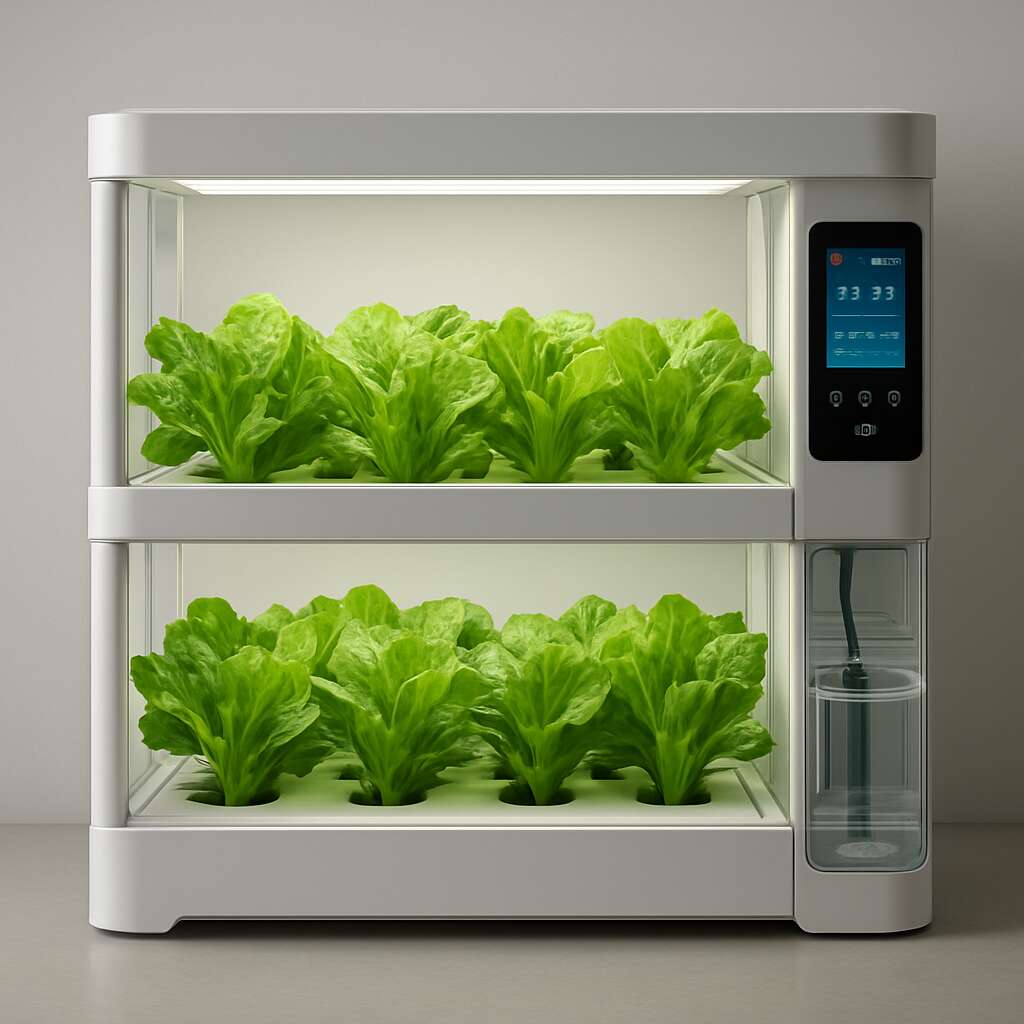
Components and Design of Automated Hydroponic Gardens
Types of Hydroponic Systems – Overview of common systems like NFT, deep water culture, aeroponics, and drip systems
Automated hydroponic gardens are revolutionising how we approach sustainable farming—melding precision engineering with ecological consciousness. These systems rely on intricately designed components that orchestrate the growth environment, ensuring plants receive optimal nutrients with minimal human intervention. The core of such gardens often includes sensors, automated nutrient delivery systems, and climate controls that adjust parameters in real-time. This seamless integration minimizes wastage while maximising yield, appealing to those who value efficiency and innovation.
When exploring the design of automated hydroponic gardens, understanding the diversity of hydroponic systems is vital. Common formats like nutrient film technique (NFT), deep water culture, aeroponics, and drip systems each serve different horticultural purposes and space constraints. For example, NFT systems involve a thin film of nutrient-rich water flowing over plant roots, ideal for leafy greens. Deep water culture submerges roots in aerated nutrient solutions, suitable for larger, fast-growing crops. Aeroponics suspends roots in misted environments, facilitating oxygen exchange, while drip systems deliver nutrients directly through precision emitters. The intricate choice among these types of hydroponic systems can profoundly influence the productivity and sustainability of your automated garden.
Key Automated Components – Sensors, pumps, timers, control units, and lighting systems
Behind the sleek exterior of automated hydroponic gardens lies a delicate ballet of technology designed to replicate ideal growing conditions with astonishing precision. Central to this system are sensors—tiny yet powerful devices that monitor humidity, temperature, pH levels, and nutrient concentrations in real time. These sensors serve as the garden’s eyes and ears, constantly collecting data to inform actions that promote healthy plant growth.
Coupled with sensors, pumps and timers orchestrate the delivery of water and nutrients, ensuring plants receive exactly what they need at the right moment. The control unit acts as the brain of automated hydroponic gardens, analysing sensor inputs and adjusting parameters automatically. Lighting systems are also integrated, mimicking natural sunlight or manipulating light cycles to accelerate growth. It’s this harmonious combination of components that enables a seamless and sustainable indoor gardening experience.
- High-quality control units for precise regulation
- Efficient pumps for consistent nutrient circulation
- Automated timers to schedule watering and lighting
- Smart sensors for real-time environmental monitoring
In the end, the design of automated hydroponic gardens isn’t just about convenience—it’s about crafting an environment where plants thrive under the watchful eye of technology. Every component, from the sensors to the lighting systems, collaborates to create a garden that is both resilient and capable of producing abundant, healthy crops. This level of automation transforms what was once manual labour into an elegant symphony of ecological harmony and engineering finesse.
Design Principles for Automation – Space optimization, modular setup, and scalability considerations
Designing automated hydroponic gardens requires a delicate balance between innovation and practicality, especially when space is limited. These sophisticated systems should be crafted with space optimization in mind, allowing growers to maximise yields within compact environments. Modular setups are often the secret to transforming small-scale gardens into expansive, scalable ecosystems, enabling seamless expansion as needs grow. Such flexibility is at the core of modern automation principles, turning shoulder-to-shoulder configurations into efficient, thriving havens for plant life.
Consider the importance of scalability in automated hydroponic gardens. With a thoughtfully designed framework, systems can evolve alongside your ambitions—whether you’re nurturing a handful of herbs or cultivating a mini-farm. The design principles revolve around creating an environment where every component is purposefully integrated, from adjustable lighting rigs to easy-to-reconfigure nutrient delivery systems.
Space isn’t the only factor; a smart, modular approach fosters adaptability and ensures efficient resource management. Think of it as planting the seeds for future growth—each module acts like a piece of an intricate puzzle, fitting together effortlessly while allowing room for innovation. In essence, the goal is to develop an ecosystem where automation seamlessly integrates into daily gardening routines, turning complex setups into a harmonious, sustainable sanctuary for thriving plants.
Selecting Materials and Equipment – Durability, food safety standards, and eco-friendly options
In the realm of automated hydroponic gardens, selecting the right materials and equipment is a decision that echoes through every part of the system’s lifespan. The durability of these components is paramount; they must withstand the persistent humidity and constant exposure to nutrient solutions without degrading. Metallic elements should be corrosion-resistant, while plastics used in reservoirs and channels need to adhere to strict food safety standards—protecting both the plants and the end users. Eco-friendly options also play an increasingly vital role, aligning sustainable practices with technological innovation to create green, conscientious systems.
For example, choosing plant containers made from recycled polyethylene or biodegradable bioplastics enhances sustainability. The various components—pumps, sensors, timers, control units, and lighting systems—should be not only reliable but also designed for seamless integration within the automated hydroponic gardens. An ordered list often helps clarify the selection process:
- Non-toxic, food-grade materials for containers and pathways
- Corrosion-resistant metals like stainless steel or aluminium
- Low-energy, eco-friendly lighting options such as LED spectrum lighting
- Durable, high-quality pumps made for continuous operation
- Smart sensors and control units optimized for precise monitoring and minimal waste
Every element must harmonise with the system’s core principles—durability, safety, and ecological mindfulness—ensuring that automated hydroponic gardens operate with efficiency and integrity. When designed with carefully selected, sustainable materials, these systems become not just fixtures for crop cultivation, but also a testament to mindful innovation that respects our environment while nourishing our future.
Benefits and Advantages of Automation in Hydroponics
Precision and Consistency in Plant Care – Automation ensures optimal nutrient delivery and watering schedules
In the realm of growth untethered by soil’s ancient grip, Automated hydroponic gardens emerge as a symphony of precision and grace. These marvels of modern ingenuity transcend routine care, orchestrating each drop of water and sprinkle of nutrients with an almost poetic finesse. The difference lies in their ability to maintain unerring consistency, ensuring plants receive the exact balance they require at every phase of their delicate journey.
With automation, the mundane becomes art—watering schedules and nutrient delivery aligned seamlessly, like a maestro guiding an orchestra of verdant life. This meticulous regulation not only minimises human error but elevates plant health into a realm of optimal performance.
- Sensor feedback for real-time adjustments
- Automated pump systems for steady nutrient flow
- Timer-based controls to sustain uniform watering
This harmony of technology results in verdant crops that flourish, with yields that can surprise even the most seasoned cultivators. For those passionate about sustainable practices and food safety standards, the precision of automated hydroponic gardens stands as both a promise and a revelation—an elegant testament to the future of eco-conscious cultivation.
Energy and Water Efficiency – Automated systems reduce waste and improve resource management
Harnessing the power of Automated hydroponic gardens can lead to a remarkable reduction in water and energy consumption—an essential advantage in today’s environmentally conscious landscape. These intelligent systems employ precise control mechanisms that only dispense the necessary amount of water, avoiding excess runoff and evaporation. By fine-tuning nutrient delivery and watering schedules through real-time sensor feedback, they conserve resources and minimise waste, turning sustainable cultivation into a seamless experience.
Another benefit lies in the efficient use of energy. Automated hydroponic gardens often incorporate energy-saving LED lighting and smart timers that align with plant needs, reducing unnecessary power use. This synergy of technology not only slashes operational costs but also elevates eco-conscious practices. For growers seeking a greener footprint, these gardens offer an elegant solution that marries innovation with environmental stewardship.
Practically speaking, automated systems often feature:
- Sensor-driven adjustments that optimise resource distribution
- Programmable pumps for steady nutrient flow
- Timer controls to ensure uniform watering cycles
Such features exemplify how automation in hydroponics enhances sustainability—saving scarce water supplies and lowering energy bills—while empowering cultivators to achieve consistently high yields with minimal environmental impact.
Enhanced Plant Growth and Yield – Consistent environmental control promotes healthy, faster-growing plants
The art of cultivating plants has reached an exhilarating new frontier with automated hydroponic gardens. These innovative systems harness precision technology to create an environment where plant growth is not left to chance but guided by meticulously regulated conditions. When plants thrive under consistent environmental control, their growth accelerates, and yields become more predictable—an alluring prospect for any dedicated cultivator.
Automation ensures the precise delivery of nutrients and watering schedules, preventing the stress that irregular care can impose on delicate root systems. By integrating sensor-driven adjustments and programmable components, automated hydroponic gardens provide a stable microclimate, fostering healthy, fast-growing plants that reach harvestable size sooner. Among the benefits, automated nutrient pumps and timer controls synchronize water and nutrient flow, creating an optimal environment that supports robust plant development while reducing manual oversight. This careful orchestration of growing conditions results in strikingly high yields, even in limited indoor or urban spaces.
In essence, the true advantage of automated hydroponic gardens lies in their capacity to maintain consistent plant care, turning a traditionally labour-intensive process into an elegant dance of technology and nature. It’s a symphony of control that yields not only bountiful crops but also a deeper appreciation for the nuanced science behind thriving, sustainable growth.
Labor Reduction and Management – Minimizes manual labor and simplifies maintenance routines
Automation in hydroponic systems is revolutionising the way we tend to our green’oases. With automated hydroponic gardens, manual labour becomes a whisper of the past, replaced by a symphony of precise, orchestrated care. The beauty lies in how these systems simplify routine maintenance, transforming what was once a time-consuming chore into a seamless dance of technology and nature.
Imagine a garden where nutrient levels, watering schedules, and environmental conditions are calibrated with meticulous accuracy—freeing growers from the tedium of constant intervention. Automated nutrient pumps and timer controls deliver nourishment with a quiet elegance, ensuring plants receive exactly what they need, when they need it, without the risk of human error.
This automation not only reduces effort but also enhances the overall management of your hydroponic garden, offering a level of consistency that manual care cannot match. For those cultivating on a smaller scale or in urban environments, this means more effective space management and worry-free operation. The result? An enchanting enterprise that balances the art of growing with the science of automation—delivering abundant harvests with less toil.
Installation and Maintenance of Automated Hydroponic Gardens
Setup Process and Key Considerations – Site assessment, system layout, and initial equipment installation
Installing and maintaining automated hydroponic gardens requires careful planning from the outset. Site assessment is the first step—checking light levels, airflow, and access to utilities to ensure the environment supports healthy plant growth. Once the location is suitable, system layout should consider space optimization and ease of access for routine maintenance.
Initial equipment installation involves setting up sensors, pumps, and control units precisely according to the designed system. Proper placement of lighting systems and nutrient delivery components ensures that automation functions seamlessly, providing plants with optimal conditions.
A structured approach benefits the entire process. For example, an ordered setup list can include:
- Power supply connections
- Sensor calibration
- Placement of water and nutrient reservoirs
- Mounting of lighting systems
Throughout operation, regular maintenance such as sensor calibration, equipment checks, and system cleaning keeps automated hydroponic gardens running efficiently. This proactive approach minimizes downtime and ensures consistent plant performance.
Monitoring and Troubleshooting – Using data from sensors, regular system checks, and common issues
Maintaining automated hydroponic gardens isn’t just a walk in the park; it’s a dance with technology. The secret lies in vigilant monitoring—think of sensors as your plant’s personal doctor, constantly providing vital data on pH levels, nutrient concentration, temperature, and humidity. Keeping an eye on these metrics ensures each plant receives exactly what it needs without the fuss of guesswork.
Regular system checks are the backbone of flawless operation. From calibrating sensors to inspecting pumps and control units, staying proactive prevents minor glitches from turning into major plant meltdowns. Troubleshooting common issues, like uneven nutrient flow or sensor drift, can be as simple as swapping a faulty pump or recalibrating a sensor—think of it as giving your system a quick tune-up.
Automation in hydroponic gardens allows for seamless efficiency, yet nothing replaces manual oversight. For example, checking reservoirs for clogs or leaks can save a crop from drowning in their own excess. Keeping a maintenance schedule with detailed logs of system checks creates a robust feedback loop—ensuring your automated hydroponic gardens flourish, not flounder!
Upgrading and Expanding Systems – Adding new features, integrating IoT devices, and scaling operations
Staying ahead in modern agriculture means embracing innovation that evolves faster than most anticipate. Automated hydroponic gardens are transforming the landscape by integrating technology directly into the plant’s environment, making precision farming accessible and efficient. As systems grow more complex, the need for seamless installation and meticulous maintenance becomes clear. Upgrading and expanding these setups isn’t just about adding more plants; it’s a delicate dance of integrating new features, IoT devices, and scaling operations without missing a beat.
When expanding or upgrading an automated hydroponic garden, consider a phased approach: begin with assessing your current infrastructure, then identify points where new components can optimize performance. For instance, adding smart sensors or automated lighting can elevate productivity. For smooth integration, layering in additional hardware like IoT devices enhances control and monitoring—allowing remote oversight that can predict issues before they escalate. Here’s a simple outline to keep systems in check:
- Evaluate existing components for compatibility and performance;
- Select upgrades that complement your current setup;
- Implement new features gradually to monitor system stability;
- Maintain rigorous documentation of changes and performance metrics.
Maintenance, especially with a modular system, becomes an ongoing conversation with your garden. Regular calibration of sensors, checking for clogs in reservoirs, and ensuring pumps operate quietly are tasks that protect your investment. As you scale, it’s wise to introduce predictive maintenance protocols—these leverage data from your automated hydroponic gardens to pre-empt failures, keeping your plants thriving. The excitement lies in the ongoing evolution of your system: expanding capacity, improving resource efficiency, and enhancing the overall health of your crops. Each upgrade isn’t just an addition—it’s a leap toward smarter, more sustainable growth.
Maintenance Tips for Longevity – Cleaning, calibration, updating software, and component replacement
In the quiet, persistent hum of automated hydroponic gardens, there lies an unspoken promise—a glimpse into the future of sustainable food production. As these systems grow more intricate, their maintenance demands an atavistic blend of precision and patience. Regular cleaning, calibration, updating of software, and component replacement are the rhythmic rituals that preserve not just functionality but a harmony of growth that feels almost sacred.
To sustain longevity, consider establishing a routine that aligns with the garden’s natural cycles. For instance, sensor calibration should happen monthly, ensuring the precision of nutrient delivery and environmental control. Cleaning reservoirs and pumps prevents the build-up of algae and blockages that threaten system integrity. Maintaining the delicate balance of these systems is a constant act of mindfulness, an acknowledgment of the interconnectedness of technology and life.
In practice, I have found that a layered approach to maintenance proves most effective. Start with a visual inspection—look for leaks, wear, or corrosion. Then, follow with a thorough cleaning of reservoirs and tubing, accompanied by a scheduled check of sensors. A simple
- Routine calibration of pH and nutrient sensors,
- Regular software updates to enhance system stability,
- Periodic replacement of worn-out parts such as pumps and filters
All these small acts coalesce into an ongoing conversation with your automated hydroponic garden—one that keeps the system resilient amidst the chaos of everyday life. Calibration isn’t just about numbers; it’s an intimate act that ensures plants receive the correct nutrients, fostering robust growth.
Furthermore, embracing predictive maintenance—enabled by the very technology that powers these systems—transforms reactive troubleshooting into proactive care. By analysing data trends, you can anticipate component failures before they manifest as crises, securing the vitality of your crops. Maintaining these gardens becomes less about response and more about artful orchestration, a testament to human ingenuity harmonised with machine precision.
It is within this intricate dance of upkeep that the true essence of automated hydroponic gardens reveals itself: a living, breathing testament to technological mastery and ethical cultivation. Every calibration, every clean, and every replacement resonates through the plants, nourishing not just their roots but the very ethos of sustainable growth. As these systems evolve, so too does our understanding of the delicate balances that sustain life—reminding us that care, at its heart, is an act of reverence.
Future Trends and Innovations in Automated Hydroponic Gardening
Integration of Internet of Things (IoT) – Real-time data access, remote control, and automation enhancements
In the realm of automated hydroponic gardens, the integration of Internet of Things (IoT) technology heralds an era of unprecedented precision and control. Imagine tending to a thriving vertical farm from thousands of miles away—accessing real-time data feeds that reveal the intricate dance of nutrients, pH levels, and light intensity. This hyper-connected environment allows growers to fine-tune conditions instantaneously, transforming traditional cultivation into an orchestrated symphony of automation enhancements.
For those inclined to see the future unfurl, advancements are paving the way for intelligent systems capable of self-optimisation. With IoT-enabled automated hydroponic gardens, data collected from an array of sensors—monitoring humidity, temperature, and nutrient uptake—can be processed by sophisticated algorithms. These insights enable predictive adjustments, reducing human intervention while maintaining ideal plant health. As these systems expand, scaling becomes seamless, bolstered by modular designs that accommodate growing demands without sacrificing efficiency.
To navigate this technological frontier, some practitioners utilise ordered lists of innovations, such as:
- Remote system control via dedicated apps or web dashboards
- Automated nutrient dosing with precision calibration
- Real-time alerts for anomalies or maintenance needs
- Integration of AI-powered data analytics for predictive care
This interconnected approach does more than streamline operations; it transforms the very concept of cultivation, elevating automated hydroponic gardens from mere systems to dynamic ecosystems that respond intuitively to their environment. As the line between human oversight and machine intelligence blurs, the potential for sustainable, resource-efficient growth becomes not just a possibility but an inevitable reality in modern horticulture.
Artificial Intelligence and Data Analytics – Predictive analytics for optimizing plant growth conditions
Artificial intelligence is rapidly transforming automated hydroponic gardens, making them smarter and more intuitive. Advanced data analytics now enable predictive models that anticipate plant needs before issues even surface. This precision agriculture approach ensures that every crop receives optimal nourishment at every growth stage, reducing waste and increasing yield.
Cutting-edge systems leverage machine learning algorithms to analyse sensor data—monitoring variables like humidity, pH, and nutrient levels. From this, automated adjustments are made seamlessly in real-time, creating a self-regulating environment. This means fewer manual interventions and more reliable harvests, even as the system scales with expanding operations.
- Implementation of AI-driven decision-making tools enhances environmental consistency.
- Sensor networks continually feed data into predictive models for ongoing fine-tuning.
- Integration of cloud-based platforms provides comprehensive control across multiple locations.
These innovations are setting a new standard in automated hydroponic gardens, where resource-efficiency and plant health are no longer left to chance. Instead, they are meticulously governed by intelligent systems capable of evolving alongside growers’ needs. As this technology advances, growers can expect ever-increasing accuracy that leverages data analytics for unparalleled plant care. The future of automated hydroponic gardens is one where artificial intelligence and predictive analytics redefine what’s possible in sustainable, resource-efficient farming.
Sustainable Technology Developments – Energy-efficient lighting, renewable power sources, and biodegradable materials
In the silent dawn of sustainable innovation, automated hydroponic gardens bloom with a promise as timeless as the earth itself. Future trends whisper of energy-efficient lighting systems that bathe plant roots in a gentle, luminescent glow—reducing energy consumption while nurturing vitality. Solar panels and wind turbines are starting to share the spotlight, transforming these gardens into sanctuaries of renewable power sources, where every watt spent sings in harmony with the environment.
Biodegradable materials are carving a new path, replacing plastics with plant-based, eco-friendly options that marry durability with conscience. This shift not only preserves delicate ecosystems but also elevates the very essence of sustainable technology developments. The horizon reveals a landscape where integrated IoT devices weave seamless connections, allowing growers in the UK and beyond to oversee expansive systems with a single touch—control and insight merging in a symphony of data and automation.
A movement towards modular setups ensures that as needs evolve, so too does the system’s capacity for expansion. Imagine an automated hydroponic garden that adapts effortlessly, growing in tandem with technological advances and environmental demands. From intelligent lighting that mimics the sun’s arc to water-saving innovations, each detail embodies a commitment to resource efficiency. These gardens are no longer just places of growth—they are living, breathing marvels of inventive sustainability, where cutting-edge assumptions become everyday reality.
Emerging Market Opportunities – Urban farming, commercial applications, and home-based gardening solutions
Amidst the burgeoning urban sprawl, the horizon teeters on the cusp of a revolution—a shift driven by automated hydroponic gardens poised to transform how communities and industries approach cultivation. Unlike traditional farming, these systems cultivate sustainability at every layer; their rapid proliferation signals a fertile ground for emerging market opportunities. Urban farming, in particular, emerges as a luminous beacon of resourceful ingenuity, where space is redefined through vertical integrations, creating lush, food-producing landscapes atop rooftops or within abandoned warehouses.
Commercial applications diversify with technological maturity, allowing scalable automation that caters to grocery chains, hospitality, and fresh produce suppliers seeking consistent yields with minimal manual intervention. The flexible modular design principles of automated hydroponic gardens enable seamless expansion, seamlessly accommodating fluctuating demand. With sophisticated controls integrated via IoT devices and data analytics, these systems facilitate precision in plant care—ensuring optimal growth even within compact urban corridors.
At the heart of these developments lies a surge of interest in home-based gardening solutions, where automation democratizes plant cultivation, inviting even novices into the green fold. The interplay of energy-efficient lighting and water-saving innovations grants individual growers the ability to nurture thriving ecosystems from their living rooms, bridging urban lifestyles with natural growth cycles. As the market advances, the allure of automated hydroponic gardens continues to blossom, fostering a future where food security, sustainability, and technological harmony grow hand in hand.