
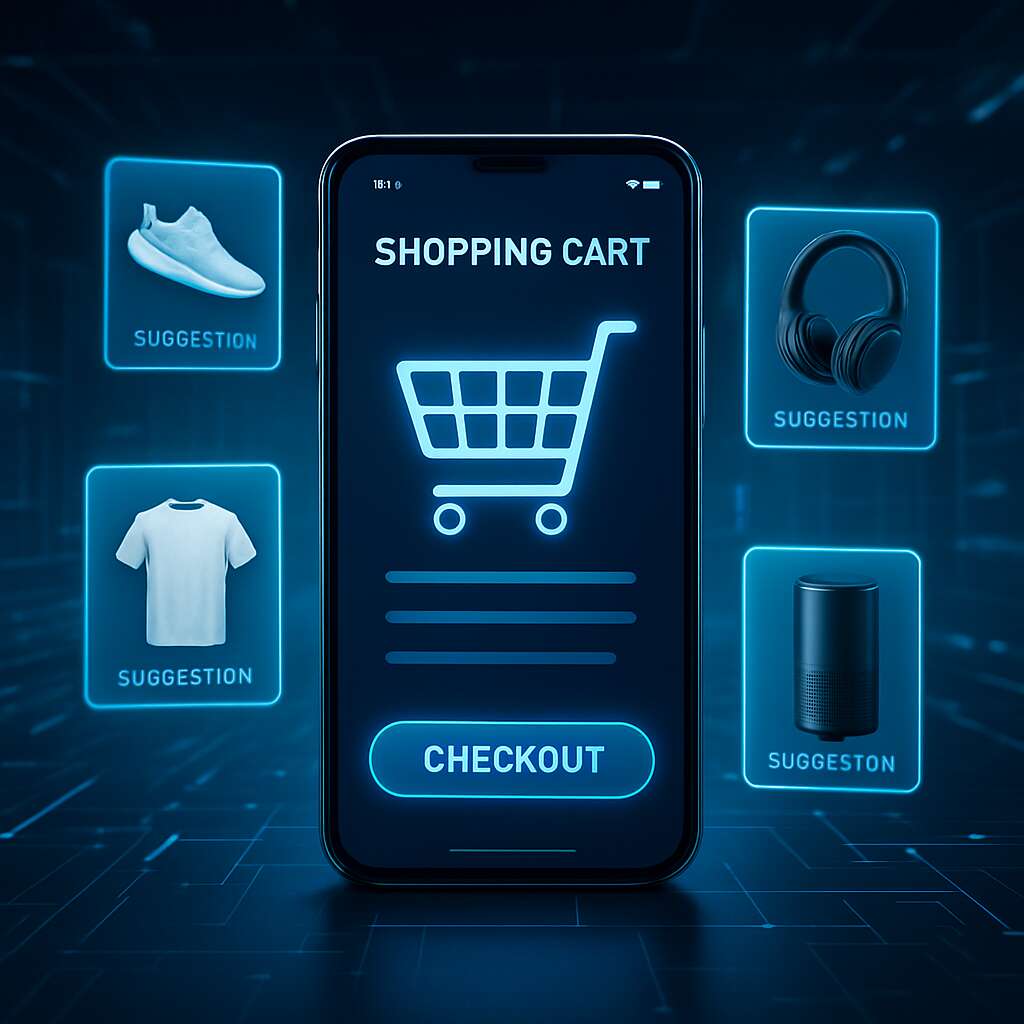
Evolution and Role of AI in Retail Shopping
Understanding AI in E-Commerce – Overview of AI technologies transforming retail
In a world where shopping experiences are becoming increasingly personalized, AI-Powered Shopping Advisors stand at the forefront of retail innovation. These intelligent entities leverage sophisticated machine learning algorithms to analyze customer preferences, browsing patterns, and purchase histories, creating a seamless and intuitive shopping journey. It’s as if an invisible guide is walking alongside each customer, whispering just the right recommendations when needed most.
Evolution in this space has been remarkable. From simple rule-based systems to advanced neural networks, AI technologies are now capable of understanding Human behaviour on a granular level. Natural language processing allows these advisors to engage in meaningful conversations, providing tailored suggestions that feel genuinely human. For retailers, this shift not only elevates customer satisfaction but also ignites a new era of retail personalization driven by AI-Powered Shopping Advisors.
As AI continues to evolve, the role of these advisors becomes more dynamic, curating a shopping experience that is both effortless and extraordinary. Their capacity to adapt in real-time transforms traditional retail models into adaptive ecosystems, where every interaction feels uniquely crafted for the individual shopper. This technological revolution is rewriting the way we think about retail—one personalized recommendation at a time.
Historical Development of Shopping Advisors – From manual recommendations to AI-driven tools
The evolution of shopping advisors is a tale as old as retail itself, but the journey from handwritten notes to AI-Powered Shopping Advisors has been nothing short of revolutionary. Back in the day, store clerks relied on guesswork and a bit of charm to recommend products, often prompting the customer to wonder if they’d entered a psychic’s shop instead. Fast forward to the digital age, where manual recommendations gave way to algorithm-driven suggestions that could analyse browsing patterns and purchase history—imagine a retail crystal ball that actually works!
In the realm of AI-Powered Shopping Advisors, the old “one-size-fits-all” approach is a thing of the past. These smart entities utilize natural language processing to create a conversational experience, almost as if you’re chatting with a well-informed friend. As these AI tools continue to develop, their capacity to curate personalized shopping journeys becomes increasingly refined and intuitive. Think of it as having a retail companion who knows your style, size, and guilty pleasures, all wrapped into one sleek digital package.
Here’s a quick peek into the historical development of shopping advisors:
- Manual suggestion systems based on human intuition
- The rise of rule-based systems that followed preset algorithms
- Introduction of machine learning models that adapt and evolve with customer behavior
- The emergence of AI-Powered Shopping Advisors capable of natural language conversations and real-time personalization
All these milestones highlight an important shift: From basic recommendation engines to dynamic, AI-driven tools that genuinely understand and anticipate shoppers’ needs. The role of AI-Powered Shopping Advisors isn’t just about pushing products anymore; it’s about creating a seamless, personalized experience that feels both effortless and tailored—transforming traditional retail into a smarter, more engaging ecosystem.
Current Trends in AI-powered Retail Solutions – Latest innovations and integration in online shopping platforms
As online retail continues its enchanting evolution, the role of AI-Powered Shopping Advisors becomes ever more captivating. These digital companions are no longer simple algorithms throwing random suggestions into the void; they are becoming sophisticated, virtually alive systems that anticipate desires before they are fully articulated. The latest innovations in AI-powered retail solutions involve seamless integration with virtual shopping environments, where real-time data analysis fuels personalized recommendations that feel almost psychic in their precision.
Current trends reveal an exciting shift toward multi-modal AI systems capable of understanding visual inputs, voice commands, and contextual cues all at once. This convergence allows for a more natural shopping experience, mirroring human intuition and conversational finesse. The integration of AI-powered retail solutions is also expanding across platforms—be it mobile apps, websites, or in-store kiosks—creating a unified, immersive ecosystem. Here is a glimpse of some pioneering developments:
- Implementation of natural language processing that enables on-the-fly, conversational guidance tailored to individual preferences.
- Use of machine learning algorithms that continuously adapt, learning from each interaction to refine future suggestions.
- Integration of augmented reality to help clients visualise products within their environment in real-time, significantly enhancing engagement.
These innovations are transforming retail into a dynamic dance of data and intuition—an unbounded, magical realm where AI-Powered Shopping Advisors serve as the gatekeepers of personalized, effortless discovery. It’s a frontier that promises not just smarter shopping, but an engaging journey where every suggestion feels genuinely crafted for the individual, shining a light on what’s possible when technology and retail embrace enchantment together.
Technologies Empowering AI Shopping Advisors
Machine Learning and Data Analytics – How algorithms personalize product suggestions
Imagine browsing your favourite online store and feeling like you’ve got a personal shopper whispering in your ear—only it’s an AI-Powered Shopping Advisor! These digital geniuses leverage machine learning and data analytics to tailor product suggestions with pinpoint accuracy. Instead of generic recommendations, you get personalised options that fit your preferences like a glove, all thanks to sophisticated algorithms analyzing your browsing and purchase history.
At the heart of this technological wizardry are algorithms that crunch vast amounts of data—think of it as the equivalent of a shopping spree through every online store on the planet, condensed into milliseconds. These algorithms utilize machine learning to learn from your interactions, making each product suggestion sharper than the last. This ongoing process transforms a simple recommendation engine into a genuinely intuitive AI-Powered Shopping Advisor that anticipates your needs before you even know what they are.
- Data collection from user behaviour and preferences
- Pattern recognition through machine learning algorithms
- Real-time analysis for immediate, relevant suggestions
Data analytics, in particular, plays a starring role by revealing intricate consumer patterns and trends. This combination ensures that AI-Powered Shopping Advisors don’t just recommend; they curate a bespoke shopping experience, turning what once was a mundane task into an engaging, almost fun, journey of discovery. With their mastery of data and algorithms, these advisors elevate online shopping from a chore to an art form—one tailored entirely to your unique tastes and habits.
Natural Language Processing (NLP) – Enhancing user interaction through conversational interfaces
They say conversation is the art of being heard, but in the realm of online retail, it’s the art of being understood—sometimes with the elegance of a perfectly phrased compliment and other times with the subtlety of a shared smile. Enter the era of **AI-Powered Shopping Advisors**, where natural language processing (NLP) elevates user interaction from clunky click-throughs to engaging dialogues that feel almost human. This technology allows customers to speak—or more often, type—with their shopping assistant as if they were chatting with a witty friend, rather than wrestling with a faceless interface.
Thanks to NLP’s sophisticated capabilities, these digital consultants interpret nuanced language, deciphering everything from casual slang to complex inquiries. This enables seamless communication, transforming generic bot responses into a crisp, natural conversation—making the online shopping experience not just intuitive but genuinely delightful. Brands are now experimenting with conversational interfaces that adapt to individual language patterns and preferences, turning a mundane task into a personal encounter.
- Context-aware responses that evolve with the conversation
- Personalized recommendations based on subtle hints in customer queries
- Engaging dialogue that mimics a human shopping assistant’s tact and wit
What truly sets **AI-Powered Shopping Advisors** apart is their ability to interpret sentiment and intent, leading to instant, relevant suggestions that feel tailor-made. As these virtual assistants continue to hone their conversational finesse, they don’t just recommend; they curate, guide, and reassure—turning the often overwhelming process of online shopping into an enjoyable social ritual that keeps customers coming back for more.
Computer Vision – Improving product recognition and visual search capabilities
Imagine walking into a high-end boutique, with a personal shopper who instinctively knows your style and preferences. Now, picture that level of intuitive service brought online—without the hefty price tag. That’s the magic of **AI-Powered Shopping Advisors**. These digital assistants aren’t just algorithms; they’re turning visual recognition into an art form, thanks to advancements in computer vision technology.
By enabling visual search capabilities, computer vision allows AI-Powered Shopping Advisors to identify products from images or real-world cues with stunning accuracy. Want to find a pair of shoes based on a snapped photo? No problem. These smart systems can analyze images, recognize patterns, and match products in milliseconds. Such capabilities make the shopping experience more immersive and frictionless, transforming a simple click into a personalized hunt for your next great find.
Consider the benefits of integrated product recognition—among which lie faster searches and a heightened sense of discovery. Companies are now sequencing visual data analysis with product metadata, creating seamless touchpoints where shoppers get relevant suggestions as naturally as talking to a seasoned store clerk. It’s almost like shopping with a sharp-eyed friend who always seems to know exactly what you’re after.
- Enhanced product discovery through detailed image processing
- Faster, more accurate visual searches that cut down on browsing time
- Tailored shopping journeys driven by sophisticated computer vision algorithms
As **AI-Powered Shopping Advisors** continue to evolve, their visual capabilities are set to become even more remarkable. Future innovations promise to make online retail as visually rich and interactive as visiting a boutique in person—only without the cramped dressing rooms!
Recommendation Algorithms – Types of personalized recommendation engines used
Behind every seamless online shopping experience lies a sophisticated web of recommendation algorithms—each tailored to make browsing feel like a personalized journey rather than a tedious chore. For AI-Powered Shopping Advisors, recommendation engines serve as the beating heart that connects users with their perfect product choices. These engines use a variety of techniques to understand individual preferences and translate that insight into relevant suggestions, creating a truly bespoke retail environment.
One common type of personalized recommendation engine is the collaborative filtering system. It analyses collective user behaviour, drawing connections between shoppers with similar tastes. Meanwhile, content-based filtering focuses on the specific attributes of products a user interacts with, matching those traits with similar items in the catalogue. Another approach combines these methods into hybrid systems that adapt dynamically to evolving preferences, providing a richer, more accurate shopping experience.
- Matrix factorization techniques that decode complex customer preferences.
- Deep learning models capable of recognising subtle patterns in browsing and purchase history.
- Real-time data analytics that instantly adapt suggestions based on recent interactions.
These algorithms empower AI-Powered Shopping Advisors to craft highly tailored recommendations, seamlessly integrating with visual search capabilities to elevate online retail. As the landscape of e-commerce continues to evolve, new forms of recommendation engines are emerging, all aimed at transforming digital storefronts into warm, intuitive spaces where every item feels handpicked just for you. This synergy between technology and human-like understanding reconnects shoppers with their passions, forging bonds that transcend mere transactional exchanges.
Benefits of Using AI-Powered Shopping Advisors
Enhanced Personalization – Delivering tailored shopping experiences
In the labyrinth of modern consumerism, finding what truly resonates can feel like searching for a needle in a haystack. AI-Powered Shopping Advisors transcend this chaos by delivering enhanced personalization—an almost uncanny ability to understand individual tastes and preferences. These intelligent tools sift through vast amounts of data, learning subtle nuances that define each shopper’s unique desires, often before the customer themselves are consciously aware of them.
Such precise tailoring creates a shopping experience that is not merely transactional but deeply human—a reflection of an understanding that goes beyond algorithms. The benefits stretch into increased customer satisfaction, anchor loyalty, and foster a sense of connection with brands that feel more intimate. The power of AI-Powered Shopping Advisors firmly resides in their ability to craft customized journeys, transforming mundane browsing into an engaging, almost introspective exploration of choices. When a recommendation feels personal, the barrier between person and machine dissolves, revealing a fascinating intersection of technology and human nuance.
Time-Saving Shopping Process – Speeding up decision-making with relevant suggestions
In the bustling realm of online commerce, time is of the essence, and decision fatigue can turn shopping into a daunting task. AI-Powered Shopping Advisors step into this chaos like a trusted guide, streamlining the journey with rapid, tailored suggestions. By sifting through vast amounts of data—often unnoticed by even the most attentive consumer—they accelerate the decision-making process, turning what could be hours of browsing into moments of discovery.
Imagine an assistant that anticipates your preferences, presenting only options that truly resonate. This not only slashes the time spent hunting for the perfect product but also transforms the shopping experience into an engaging adventure. Instead of sifting through endless pages, shoppers are gently led toward items that match their unique desires, making each journey both efficient and delightful. Truly, AI-Powered Shopping Advisors are revolutionizing retail by turning the mundane into an experience of effortless exploration.
Increased Conversion Rates – Driving sales through targeted recommendations
In the relentless pace of modern ecommerce, every second counts—and that’s where AI-Powered Shopping Advisors come into play, silently transforming the retail experience. These intelligent tools don’t just suggest random products; they leverage advanced algorithms to drive sales through meticulously targeted recommendations. Imagine walking into a store where every item on display seems to know exactly what you’re after—that’s the power of AI shaping the future of online shopping.
One of the most compelling benefits of using AI-Powered Shopping Advisors is their ability to generate increased conversion rates. By analyzing vast swathes of data, they can present consumers with personalized offerings that speak directly to their preferences. For those looking to refine their recommendations, consider how algorithmic models utilize:
- Customer browsing history
- Purchase patterns
- Real-time interactions
This rich mosaic enables the creation of highly relevant suggestions that resonate on a personal level, making shoppers more likely to complete their purchase. It’s a subtle yet profound shift—turning casual browsers into loyal customers with precision-targeted guidance. The result? An atmosphere where sales are not just driven but orchestrated by intelligent, adaptable AI-Powered Shopping Advisors, elevating the retail game to a new echelon of engagement.
Customer Satisfaction and Loyalty – Building trust and repeat business
In a world where online shoppers crave both convenience and connection, AI-Powered Shopping Advisors are emerging as silent architects of trust and loyalty. These sophisticated systems do more than merely suggest products; they weave a tapestry of personalized experiences that resonate deeply with each individual. When consumers feel understood and valued, an unspoken bond forms—cemented by the precision of AI that anticipates needs before they are voiced.
One of the most profound benefits of integrating AI-Powered Shopping Advisors is the natural cultivation of customer satisfaction. Shoppers who encounter curated suggestions feel a sense of appreciation, which transforms casual browsing into meaningful engagement. This sense of being truly understood fosters confidence, encouraging repeat business and elevating the retailer’s reputation.
In the realm of retail, trust is currency—once established, it paves the way for enduring loyalty. An order of magnitude greater than fleeting sales, this loyalty is driven by a seamless shopping journey where AI-Powered Shopping Advisors anticipate preferences and address possible doubts through conversational interfaces or visual cues. When shoppers are greeted with tailored options, they are more inclined to return, turning one-time buyers into lifelong patrons.
- Consistent, personalized interactions that make customers feel seen and valued
- Intuitive recommendations that reduce decision fatigue
- Enhanced shopping experience fostering emotional connection
This orchestration of engagement through intelligent guidance creates a retail environment cloaked in respect and anticipation—where every customer feels their journey is unique, special, and cared for. Such bespoke interactions are shaping the future of online shopping, making AI-Powered Shopping Advisors not just tools but vital partners in cultivating customer satisfaction and loyalty.
Challenges and Future Outlook
Data Privacy and Security Concerns – Addressing customer trust and compliance issues
In the shadowy world of AI-Powered Shopping Advisors, unseen threats loom like lurking predators. Data privacy and security concerns are the tangled webs that challenge both consumers and retailers alike. As these AI systems become more sophisticated, the risk of sensitive information leaks or breaches intensifies, casting a cloud of mistrust over the entire ecosystem. Customers want to know their shopping habits won’t be weaponized against them or exposed to malicious actors.
Implementing stringent data security protocols is no longer optional—it’s imperative. Regulations such as GDPR demand transparency and accountability, but compliance can be a labyrinth. Businesses must navigate these complex legal waters while maintaining seamless AI-driven personalized experiences.
The future hinges on striking a delicate balance. Transparency, data anonymization, and continuous security upgrades will define the resilience of AI-Powered Shopping Advisors, transforming these tools from potential vulnerabilities into trusted allies in the retail journey.
Limitations of Current AI Systems – Understanding what AI cannot yet achieve
While AI-Powered Shopping Advisors are revolutionising the way we browse and buy, they still have their limitations—kind of like a talented chef who can’t quite master soufflé perfection. As sophisticated as these systems are, they struggle with understanding nuance, sarcasm, or personal taste that isn’t easily quantified. For instance, trying to decode a customer’s mood or unique style preferences remains a work in progress. This means that, despite advances in natural language processing, AI still can’t fully grasp the subtleties of human communication, leading to occasional mismatches in recommendations.
In the realm of data analytics, AI-Powered Shopping Advisors rely heavily on existing datasets. That reliance can be a double-edged sword when encountering new trends or niche product categories. These systems tend to lag behind in real-time adaptability, often sticking to what’s familiar rather than pushing boundaries into uncharted retail territory. A straightforward list of current limitations includes:
- Difficulty understanding emotional context
- Struggles with emerging or niche products
- Limited creativity and intuitive judgment
- Dependency on historical data that can become outdated
Addressing these gaps is an ongoing challenge. The future promises a more nuanced AI-Powered Shopping Advisors ecosystem that learns from less predictable human behaviour, learns faster, and perhaps even develops a sense of style—though don’t hold your breath for AI fashion gurus just yet. The goal is for these intelligent assistants to become more than just data-driven tools; they must evolve into companions capable of remarkable personalization and genuine conversational engagement.
Emerging Technologies and Trends – Future developments shaping AI shopping advisors
Despite impressive strides, the evolution of AI-Powered Shopping Advisors faces hurdles that could shape their future trajectory. For these systems to truly revolutionise retail, they must transcend their current limitations in understanding the subtlety of human communication and emotional nuance. Imagine a shop assistant that intuitively grasps your mood or personal style—yet, AI still grapples with reading these intangible signals. This gap challenges developers to refine natural language processing and emotional intelligence, ensuring recommendations are genuinely tailored and context-aware.
Emerging technologies offer a glimpse into tomorrow’s retail landscape, with innovations that promise to elevate AI-powered tools well beyond their current scope. For instance, advances in computer vision paired with deep learning capacities are paving the way for better visual search capabilities, allowing systems to analyse product images with greater accuracy. As these technologies mature, they could enable AI shopping advisors to incorporate more intuitive recommendations based on real-time, unobtrusive data—creating shopping experiences that feel less like algorithms and more like conversations with a trusted confidant.
To enhance adaptability, developers are experimenting with layered recommendation algorithms that integrate real-time trend analysis and niche product identification. This approach helps mitigate reliance solely on historical data, making AI-Powered Shopping Advisors more dynamic. A numbered list of such innovations might include:
- Enhanced predictive analytics for emerging trends.
- Integration of computer vision for visual shopping experiences.
- Refinement of conversational interfaces through advanced NLP techniques.
By harnessing these advancements, AI-driven retail solutions will evolve into more relatable and intuitive shopping companions. As the digital retail world continues to expand, these innovations herald a future where AI is more adaptive, creative, and capable of aligning seamlessly with human preferences. Yet, the challenge remains: can AI develop the sense of style, empathy, and judgment that many still associate with human shopping experiences? The pendulum of innovation swings forward, as developers and researchers strive to endow AI with a more profound understanding of human behaviour—a journey that promises to redefine what AI-Powered Shopping Advisors can become in the years ahead.
Integrating Human and AI Interactions – Balancing automation with personal touch
As AI-Powered Shopping Advisors continue their ascent into mainstream retail, an intriguing challenge persists: how to seamlessly integrate human-like empathy within a realm driven by automation. While these systems excel at data crunching and rapid suggestions, they often lack the subtlety of human communication—those unspoken cues that shape a truly personal shopping experience. Striking the right balance between automation and personal touch remains a delicate affair, with the risk of drifting into cold algorithmic responses or, worse, alienating customers seeking genuine connection.
One promising avenue involves layering recommendation engine algorithms that not only analyse purchase history but also consider mood, context, and current trends. As these systems become more sophisticated, the hope is to forge an interaction that feels less like interacting with a machine and more like confiding in a trusted advisor. This evolving interplay raises the question: can AI really develop the style, empathy, and judgment necessary for authentic human interaction? The journey to refine natural language processing and emotional intelligence in AI-Powered Shopping Advisors continues—paving the way toward retail experiences that marry efficiency with intuitive understanding.
Emerging technologies are fueling this transformation with innovations like high-precision computer vision and layered recommendation algorithms.
- Enhanced predictive analytics for detecting emerging trends
- Real-time visual search capabilities powered by advanced computer vision
- Refined conversational interfaces using cutting-edge NLP techniques
These advances enable AI to interpret and respond to intangible signals, fostering a shopping environment that feels personal and unobtrusive. Yet, the challenge of mimicking the human touch endures, urging developers to focus on creating AI that not only understands preferences but embodies empathy and good judgement. As AI-Powered Shopping Advisors become more nuanced, they hint at a future where retail interactions are less transactional and more conversational—mysteries awaiting to be unraveled in the pursuit of a truly intuitive shopping partner.