
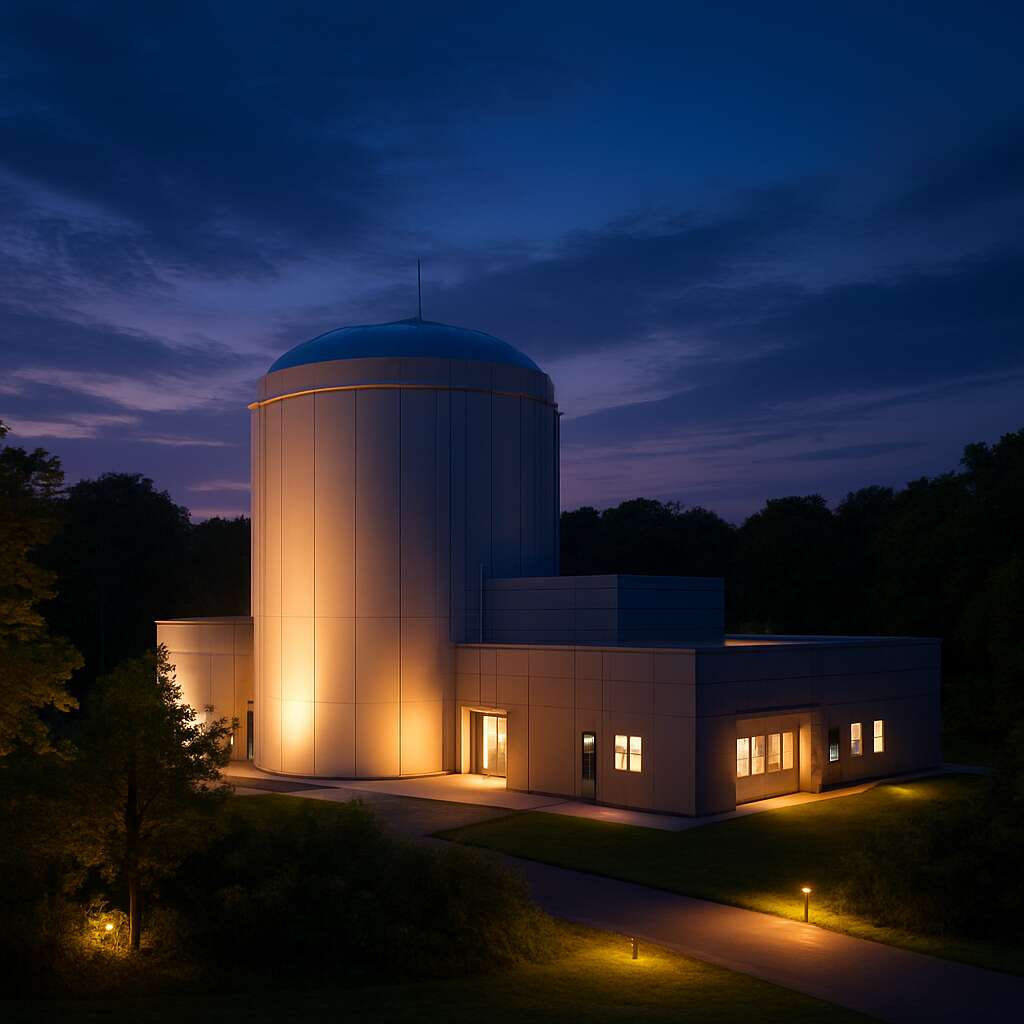
Introduction to Small Modular Reactor Technology
Overview of Small Modular Reactors – Definition, key features, and how they differ from traditional reactors
In an era where the demand for cleaner energy sources is skyrocketing, Small Modular Reactor Technology stands apart as a game-changer. These mini marvels of engineering promise a future where nuclear power isn’t just for sprawling plants but can be scaled down for versatile use. Unlike traditional reactors that require vast footprints and hefty investments, small modular reactors are designed for adaptability, offering a tailor-made approach to nuclear energy.
What exactly sets small modular reactors apart? For starters, they are prefabricated units built indoors and shipped to site ready to operate. Their key features include enhanced safety mechanisms, rapid deployment, and the ability to cluster multiple units for larger power needs.
- Modularity for flexible expansion
- Lower upfront costs and shorter construction timelines
- Innate safety design reducing accident risk
This innovative approach to nuclear energy is rewriting the conventional narrative, making clean power more accessible, efficient, and adaptable across the United Kingdom’s diverse energy landscape. With Small Modular Reactor Technology, the future of nuclear energy becomes not just more feasible but undeniably exciting.
Historical Development – Evolution of modular reactor design and technological milestones
Small Modular Reactor Technology has a captivating history rooted in the quest for safer and more adaptable nuclear power. The evolution of modular reactor design can be traced back to the 1950s, when the concept of factory-prefabricated nuclear units emerged as a promising alternative to traditional large-scale reactors. These early experiments laid the groundwork for what would become a pivotal shift in nuclear energy development.
By the 2000s, technological milestones had transformed small modular reactors into viable options, driven by advancements in materials science, computational modeling, and safety systems. The ability to manufacture these reactors within controlled environments means higher precision and quality assurance—reducing construction timelines and costs. The phased development and deployment of small modular reactor technology signal not only a technical achievement but a philosophical one—challenging the notion that scale equates to safety or efficiency.
Key milestones include:
- Introduction of innovative passive safety systems in the 2010s
- First operational prototype in 2020—highlighting the practical potential
- Growing international collaboration on standardized design protocols
These developments demonstrate how small modular reactor technology is evolving through a combination of engineering ingenuity and a shared commitment to sustainable energy solutions. As a result, they promise to redefine the future landscape of nuclear power—making it more accessible, flexible, and aligned with a world seeking cleaner energy sources.
Industry Drivers and Trends – Factors influencing adoption and growth of SMRs
Small Modular Reactor Technology is gaining momentum, driven by a blend of technical ingenuity and a pressing need for sustainable energy solutions. Countries across the UK and around the world are recognizing the immense potential of SMRs to deliver clean, reliable power without the logistical challenges of large-scale reactors. These tiny giants, built with factory precision, promise adaptability that can better serve rural communities and urban hubs alike, making them a truly versatile choice.
Factors influencing the adoption and growth of SMRs include increasing energy demands, concerns over carbon emissions, and the quest for energy independence. Industry leaders observe a clear trend: as safety standards evolve and technology matures, investor confidence grows—fueling further innovation and deployment of Small Modular Reactor Technology. As noted by experts, their smaller size allows for phased nuclear investments that reduce risks and costs while supporting diverse energy portfolios.
Design and Engineering Aspects of SMRs
Core Design Innovations – Reactor core configurations, fuel types, and safety features
When examining the design and engineering aspects of Small Modular Reactor Technology, it’s clear that innovation drives this sector forward. These reactors feature diverse core configurations tailored to reduce size and enhance flexibility, making them ideal for varied applications across the United Kingdom. Unlike traditional reactors, SMRs employ advanced fuel types, often utilizing highly enriched uranium or even alternative fuels such as spent fuel reloads, which improve efficiency and waste management. Safety remains at the forefront of design considerations, with integrated safety features like passive cooling systems and automatic shutdown mechanisms that operate without human intervention.
One of the most significant advancements in Small Modular Reactor Technology is the refinement of reactor core designs. These core configurations are optimized for simplified assembly, quick deployment, and safe operation in smaller plants. The core layout typically involves modular units that can be scaled up or down based on regional energy demands. This approach enhances resilience and reduces initial capital costs. For instance, some designs incorporate a
- pressurized water reactor (PWR)
- integral pressurized reactor (iPWR)
configuration, which consolidates components for enhanced safety and maintenance simplicity. All these elements highlight how innovative core design and fuel choices are shaping the future of Small Modular Reactor Technology, emphasizing safety and versatility alike.
Modularity and Scalability – Modular construction advantages, scalable power output, and factory fabrication
In the realm of Small Modular Reactor Technology, innovation serves as the beating heart, shaping a future where energy is both adaptable and resilient. An intriguing aspect of this technology lies in the architecture of its modular construction—an attribute that transforms traditional nuclear design into a symphony of flexibility and precision. These reactors are crafted with factory fabrication, a process that allows for meticulous quality control and accelerated deployment, reducing the logistical burdens often associated with large-scale reactors.
Scaling power output in Small Modular Reactor Technology is as intuitive as assembling building blocks—adding or subtracting modules to match regional energy demands. This modular approach not only offers customizable capacity but also permits incremental expansion, safeguarding investments while ensuring a smooth transition to sustainable energy. The beauty of such scalability lies in its adaptability, enabling communities and industries alike to harness nuclear energy without the constraints of conventional plants.
- The factory-fabricated modules are pre-engineered with precision, enabling rapid assembly onsite and minimizing construction delays.
- This design philosophy promotes safer operations by reducing complexity and increasing standardization across units.
By weaving together these features—modularity, scalability, and precision—Small Modular Reactor Technology heralds an era of innovative energy solutions. It offers a pathway where nuclear power can be tailored, expanded, and deployed with unprecedented agility, resonating deeply with the evolving demands of the United Kingdom’s diverse energy landscape.
Safety and Containment Systems – Containment structures, passive safety features, and accident mitigation
Within the realm of Small Modular Reactor Technology, safety and containment systems are the unwavering pillars that underpin public trust and operational resilience. These reactors employ containment structures meticulously engineered to withstand extreme conditions, forming an invisible yet impenetrable barrier against potential hazards. The architecture of these structures melds advanced materials with innovative design principles, ensuring containment integrity under a myriad of scenarios.
One of the defining features of Small Modular Reactor Technology is the integration of passive safety mechanisms. Unlike traditional reactors that depend on active systems, these reactors rely on natural phenomena—such as gravity, natural circulation, and heat conduction—to deactivate and contain the core during malfunctions. This passive safety approach minimizes dependency on external power sources, significantly reducing the risk of catastrophic failure.
- Inherent resistance to escalation during accident scenarios
- Minimal need for operator intervention
- Enhanced containment containment during high-pressure events
This focus on accident mitigation exemplifies the progressive thinking embedded in Small Modular Reactor Technology, where safety is woven into every layer of design. The reactor’s core configuration further reinforces this philosophy, employing innovative fuel types and configurations that decrease the likelihood of core damage, even under adverse conditions. Combined with advanced containment systems, these features create a formidable defence against potential releases of radioactivity.
From a safety perspective, small modular reactors stand apart through their emphasis on simplicity, standardization, and resilience, which collectively elevate the standards for nuclear safety in the modern era. Such aspects make Small Modular Reactor Technology an attractive prospect for nations seeking reliable, secure, and adaptable nuclear energy solutions that are resilient in the face of evolving challenges.
Technical Challenges – Design complexity, heat removal, and materials engineering
Designing Small Modular Reactor Technology isn’t for the faint-hearted. Behind the sleek exterior lies a labyrinth of engineering puzzles that would make even the most seasoned sci-fi writers jealous. One major challenge? Heat removal—imagine managing a fire in a tiny room with a tiny firehose. The solution involves innovative heat exchange systems that must operate flawlessly, even during power outages or unexpected malfunctions. These systems need to be reliable enough to prevent overheating without relying on external interventions, pushing the boundaries of traditional engineering.
Materials engineering presents one of the more intriguing hurdles. The reactor components face relentless radiation, corrosion, and thermal stress—think of trying to keep a delicate espresso machine working flawlessly in a volcanic crater. Developing materials that can endure this punishing environment without degrading over time is no trivial task. Engineers incorporate advanced alloys and composites designed specifically for the rugged demands of Small Modular Reactor Technology, aiming for longevity and safety in even the most adverse scenarios.
- Ensuring efficient heat removal without sacrificing safety or simplicity
- Developing materials that resist radiation damage while maintaining structural integrity
- Managing the complexity that comes with compact design and modular components
This delicate balance between innovation and practicality makes Small Modular Reactor Technology a fascinating interplay of science and art—where every component must work seamlessly to keep the core cool, safe, and ready for the challenges of modern energy demands.
Applications and Benefits of Small Modular Reactors
Energy Generation and Grid Support – Role in electricity supply, grid stabilization, and remote locations
Small Modular Reactor Technology is redefining how we think about energy generation and grid support across the United Kingdom. These compact reactors are perfect for maintaining grid stability, especially during peak demand periods, thanks to their ability to provide consistent, reliable power. Their flexibility makes them a strategic asset for integrating renewable energy sources, such as wind and solar, by compensating for fluctuations and ensuring operational continuity.
In remote or off-grid locations where traditional energy infrastructure is sparse or non-existent, small modular reactors become a game-changer. They enable communities and industries to access clean energy without the logistical challenges of large-scale plants. Their modular design allows for easy scalability—adding more units as demand grows—making them an adaptable and cost-effective solution for diverse energy needs. As the UK continues to push towards net-zero targets, Small Modular Reactor Technology offers a promising pathway to a resilient, cleaner energy future.
Environmental Advantages – Reduced emissions, land use efficiency, and integration with renewable energy
Small Modular Reactor Technology offers compelling environmental advantages that make it a vital part of the UK’s sustainable energy strategy. These reactors produce significantly lower emissions than traditional fossil fuels, helping the country meet stringent climate goals. Their land use efficiency ensures minimal habitat disruption, making them ideal for areas where space is at a premium.
Integrating Small Modular Reactor Technology with renewable energy sources enhances grid resilience by providing reliable power during periods of low wind or sunlight. This synergy helps maintain a stable energy supply while reducing overall carbon footprints.
- Reduced greenhouse gas emissions
- Efficient land use and smaller footprint
- Seamless integration with wind and solar power
For the UK aiming for net-zero emissions, Small Modular Reactor Technology not only delivers cleaner energy but also fosters a resilient and flexible energy infrastructure.
Economic Impacts – Cost factors, investment considerations, and job creation
Small Modular Reactor Technology is emerging as a game-changer in the landscape of UK energy infrastructure. Its distinctive design lowers the entry barriers for investment in nuclear power, offering a compelling alternative to large-scale plants that require billions of pounds to develop and maintain. The relatively reduced cost and shorter construction timelines make SMRs an attractive proposition for both government and private investors. This shift opens up a new realm of economic possibilities, especially in creating jobs and fostering local industry growth.
Investment considerations surrounding Small Modular Reactor Technology highlight its potential to catalyse regional economic development. As factories dedicated to SMR construction and operation emerge, local employment opportunities naturally increase, spanning from skilled engineering roles to manufacturing positions. Governments are increasingly viewing SMRs not only as a source of clean energy but also as a driver of economic resilience. The ability to deploy these reactors in remote or underserved areas adds an extra layer of appeal, helping bridge regional disparities in energy access.
- Cost factors: The modular design reduces capital expenditure, making SMRs more financially accessible.
- Job creation: Construction, operation, and maintenance generate new employment opportunities across the UK.
- Investment: Public-private partnerships are paving the way for significant capital infusion into small nuclear reactors, which could reshape the economic landscape.
All in all, Small Modular Reactor Technology is not just a pathway to cleaner energy but also a catalyst for economic diversification. Its strategic deployment could stimulate local economies while delivering reliable, low-carbon power for decades to come. As the UK pushes toward net-zero emissions, understanding the economic impacts of SMRs provides valuable insight into their role in shaping a resilient and sustainable energy future.
Potential in Industrial Processes – Hydrogen production, desalination, and manufacturing uses
In a world eager for sustainable solutions that meld innovation with practicality, Small Modular Reactor Technology stands as a beacon of possibility—an alchemist’s tool capable of transforming industrial processes in ways once thought impossible. As the UK races toward its net-zero ambitions, these reactors’ potential to revolutionize applications such as hydrogen production, desalination, and manufacturing sparks the imagination. Imagine a future where clean hydrogen fuels our transport and industry, powered by the gentle hum of modular reactors—quiet giants that weave environmental harmony into the fabric of economic development.
The benefits of integrating Small Modular Reactor Technology into these sectors are manifold. It paves the way for efficient hydrogen production, a clean alternative that could become the backbone of the UK’s energy transition. Desalination powered by SMRs could bring fresh water to arid regions, alleviating water scarcity with a reliable source that operates independently of weather patterns. Manufacturing facilities could harness the consistent, low-carbon energy generated by these reactors to achieve greater sustainability and cost-effectiveness.
Applying Small Modular Reactor Technology to industrial processes offers a suite of advantages:
- Efficient and scalable hydrogen generation for industries and transport.
- Renewable-compatible desalination systems that support regional development.
- Reliable energy supply for high-intensity manufacturing operations, fostering innovation without the environmental toll.
The versatility of SMRs extends beyond mere power generation—they have the capacity to integrate seamlessly into existing industrial ecosystems, catapulting traditional sectors into a new era of sustainability. This confluence of nuclear ingenuity with industrial needs paints a future where energy and industry are no longer separate, but intertwined in a dance of clean, reliable power that sustains progress.
Future Perspectives and Challenges for SMR Technology
Regulatory and Licensing Frameworks – Policy developments, safety standards, and approval processes
Future perspectives for Small Modular Reactor Technology are shaping up amid complex regulatory landscapes. As nations race to meet climate goals, establishing a clear and robust regulatory and licensing framework becomes paramount. Policy developments are leaning toward streamlining approval processes without compromising safety standards—an intricate balancing act that could define the pace of SMR deployment.
Safety remains at the heart of small modular reactor technology evolution. Innovations in containment systems, passive safety features, and accident mitigation strategies are pushing the boundaries of what’s achievable. These technological leaps must be matched by rigorous safety standards that adapt to the unique aspects of modular reactors.
Aligning licensing procedures with international best practices is a considerable challenge. An orderly approval process that integrates safety, environmental impact assessments, and quality assurance is vital. For SMRs to gain widespread acceptance, authorities need transparent policies that reduce regulatory uncertainty while maintaining rigorous oversight—a tough, yet necessary, task in the journey toward mainstream adoption.
Market Adoption and Investment – Commercial viability, public acceptance, and funding sources
The future of Small Modular Reactor Technology hinges upon more than just engineering marvels; it rests on a delicate dance of market viability, public perception, and innovative funding strategies. While the technology boasts an elegant promise of low emissions and scalable energy production, transforming this promise into commercial success remains a challenge that requires a nuanced approach to investment.
Public acceptance, often the wildcard in revolutionary energy solutions, depends heavily on transparent communication about safety and environmental advantages. Some investors, understandably cautious, look for stable funding sources—be it government grants, private capital, or public-private collaborations—that recognize the strategic importance of small modular reactors in a greener energy landscape.
Commercial viability will likely increase as policymakers ease licensing hurdles and create incentives to foster accelerated deployment. A landscape rich with policy support and a clear regulatory roadmap could make Small Modular Reactor Technology a tempting proposition for investors eager to diversify their portfolios with climate-conscious assets. Yet, hurdles such as high initial costs and technological uncertainties demand persistent innovation and international cooperation. The road ahead, paved with both promise and pitfalls, will determine just how swiftly SMRs carve a meaningful presence within the energy market.
Research and Development Needs – Innovations in materials, reactor design, and integration methods
The future of Small Modular Reactor Technology hinges on breakthroughs that transcend mere engineering finesse—innovations in materials, reactor design, and integration methods are paramount. As researchers push the boundaries, exploring advanced alloys and composites, they aim to enhance resilience against radiation and thermal stress, ensuring longer operational lifespans for SMRs. This continuous evolution addresses one of the critical challenges: maintaining structural integrity under extreme conditions.
Design innovation plays a pivotal role. Modular reactor configurations are now being reimagined to optimize safety, efficiency, and adaptability. For instance, the incorporation of passive safety systems using novel heat removal techniques offers an additional layer of security while simplifying operational protocols. Integration methods, such as coupling SMRs with renewable energy sources or energy storage solutions, are also gaining prominence to amplify grid stability and reduce environmental footprints.
Yet, these progressions are not without complexity. The quest for materials capable of withstanding high radiation levels while remaining economically viable remains a research frontier. Addressing these technical challenges demands international cooperation, pooling global expertise into a unified effort. This collaboration accelerates innovation, pushing Small Modular Reactor Technology toward a new era where safety, efficiency, and environmental compatibility are seamlessly intertwined in every design evolution.
Global Deployment Scenarios – Countries leading SMR adoption, international collaborations, and export opportunities
Future Perspectives and Challenges for SMR Technology Deployment
As nations race toward energy independence and climate resilience, Small Modular Reactor Technology stands at the forefront of this revolution. Countries such as the United Kingdom, United States, and South Korea are pioneering efforts to integrate SMRs into their energy portfolios, driven by a desire to diversify sources and meet ambitious emission reduction targets. Their leadership paves the way for a global wave of adoption, multiplying export opportunities for technology developers eager to supply this burgeoning market.
International collaborations—often born out of shared safety standards and joint ventures—are vital to accelerating innovation and overcoming technical hurdles. These partnerships foster the pooling of expertise, enabling the seamless transfer of SMR design knowledge, and encouraging regulatory harmonisation. Such efforts make it more feasible for countries with developing economies to embark on their nuclear journey without reinventing the wheel.
Through the lens of export scenarios, the prospects for Small Modular Reactor Technology become even more exhilarating. Countries look to deploy these reactors not only domestically but as part of a strategic export portfolio, offering scalable solutions to meet diverse energy needs. This opens a new chapter—where global cooperation, alongside the winning combination of technical ingenuity and diplomatic acumen, can propel SMRs onto the world stage.