
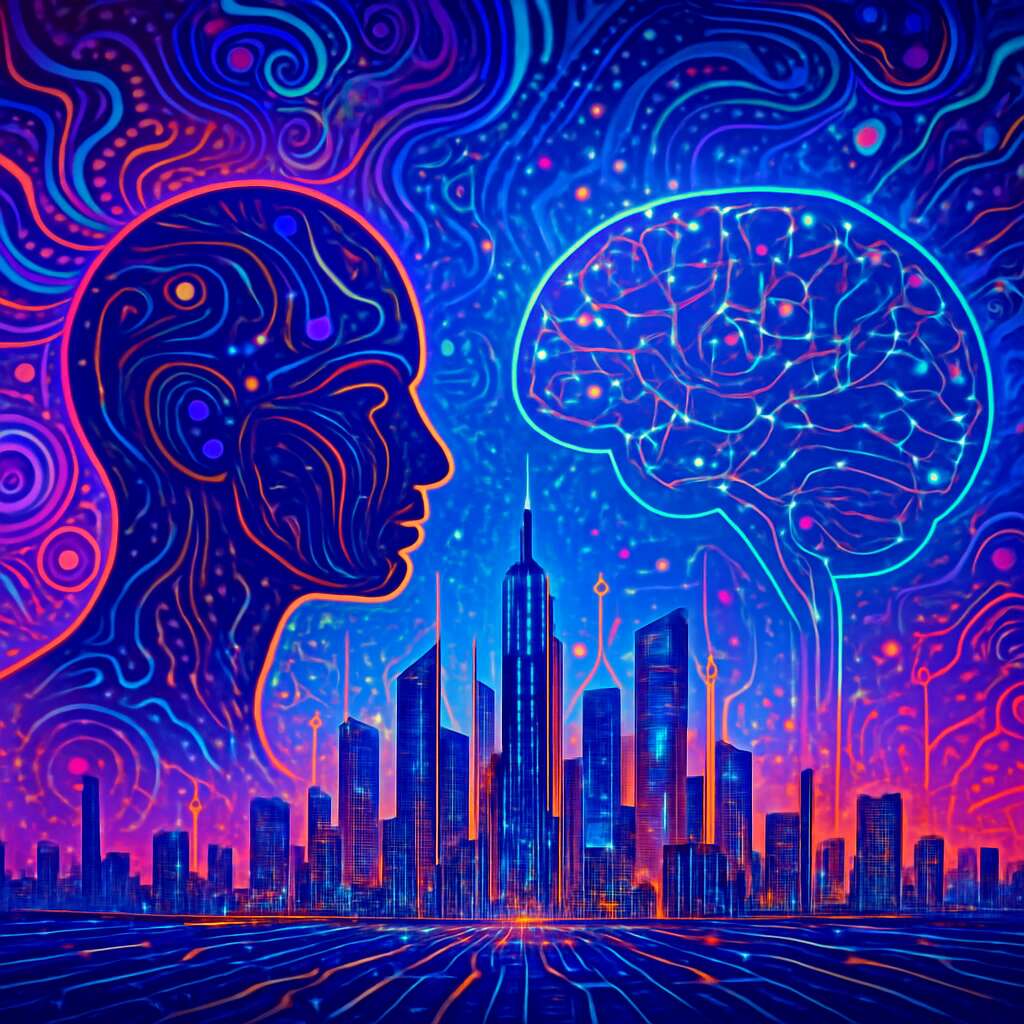
Understanding AI-Generated Art
What is AI-Generated Art?
AI-Generated Art is transforming the creative landscape, blurring the lines between human imagination and machine intelligence. At its essence, it leverages complex algorithms and deep learning models to produce visually stunning and conceptually innovative artwork. Instead of traditional brushes or pencils, these systems interpret vast datasets to generate images that mirror artistic styles or invent entirely new aesthetics. What makes AI-Generated Art particularly intriguing is how it democratizes creativity—allowing artists, designers, and even novices to explore new realms of expression with unprecedented ease.
The process behind AI-Generated Art involves several fascinating steps, such as training neural networks on thousands of images, enabling the software to understand textures, color schemes, and form. As a result, the output can range from hyper-realistic portraits to abstract landscapes that challenge conventional artistry. For those curious about the technological side, tools like generative adversarial networks (GANs) are at the heart of creating these artworks. With every new piece, AI-Generated Art cements itself as a pivotal part of modern visual culture—shaping how we view creativity’s future.
History and Evolution of AI Art
The evolution of AI-Generated Art is nothing short of fascinating—like watching a digital Renaissance unfold in real time. It’s a story woven through decades, from the rudimentary algorithms of the 1960s to today’s sophisticated neural networks that craft images with the finesse of seasoned artisans. This journey is a testament to how artificial intelligence continually pushes the boundaries of creative expression, challenging our traditional notions of artistry. Armed with cutting-edge techniques, artists and programmers have demonstrated that AI-Generated Art isn’t just a gimmick; it’s a cultural force reshaping visual storytelling.
Tracing its roots, AI art began as modest experiments in computer-generated imagery but has since undergone a metamorphosis. The advent of generative adversarial networks (GANs) set a new standard, allowing machines to generate startlingly realistic or stylistically innovative artworks. This technological leap pushed AI-generated artworks to galleries, auction houses, and social media feeds, cementing its place in the contemporary art scene. The layered complexity involved in training these models—feeding them vast datasets of art history, styles, and techniques—enables AI-generated art to mimic human creativity in ways that were once thought impossible.
Types of AI Art Creation Techniques
Within the vast spectrum of AI-Generated Art, myriad techniques unfold like a masterful symphony of innovation and creativity. Each method reveals its own distinct voice—be it the algorithmic brushstrokes that mimic classical paintings or the abstract expressions that challenge conventional aesthetics. At the heart of this evolution are diverse creation techniques that fascinate and inspire, carving new pathways in digital artistry.
Among these, the formidable presence of generative adversarial networks (GANs) stands tall, transforming the landscape of AI-Generated Art. GANs function as digital duelists, pitting two neural networks against each other in a relentless quest for realism, producing images so intricate they seem almost alive. Other techniques include neural style transfer, where the essence of a masterpiece is infused into new compositions, seamlessly blending styles from Van Gogh’s swirls to Picasso’s cubist visions. These approaches have democratized artistic creation, allowing both seasoned artists and curious newcomers to experiment freely.
For clarity, the primary types of AI-Generated Art creation techniques can be summarized as follows:
- Neural Style Transfer: where styles are transferred onto new images, creating hybrid masterpieces.
- GANs (Generative Adversarial Networks): enabling machines to produce startlingly authentic and stylistically diverse works.
- Evolutionary Algorithms: mimicking natural selection to generate art that evolves through iterative refinements.
Each technique harnesses the power of sophisticated algorithms, pushing the boundaries of what was once human-exclusive territory. As these methods intertwine, they craft an ever-expanding universe of AI-Generated Art—where creativity and technology converge in poetic harmony.
Popular Tools and Platforms for AI Art
Top AI Art Software and Apps
The world of AI-Generated Art is rapidly expanding, bringing with it a new era of creativity powered by innovative software and apps. For artists, designers, and hobbyists alike, choosing the right platform can be an intriguing journey into the future of digital expression. The proliferation of such tools makes creating striking visuals more accessible than ever — no longer confined by traditional techniques or skills.
Among the top AI art software and apps, several stand out for their ease of use and impressive capabilities. Platforms like Midjourney, DALL-E, and Artbreeder have revolutionized how AI-Generated Art is approached, allowing users to generate complex images from simple text prompts or manipulate existing visuals with remarkable precision. These tools often feature intuitive interfaces, making them approachable even for those new to AI art creation.
To cater to a diverse range of needs, some platforms incorporate specific features tailored for professional artists, such as high-resolution output and customizable style transfer options. Here’s an overview of some popular tools:
- Midjourney — Known for its surreal and highly detailed renders, perfect for those seeking artistic depth in AI art
- DALL-E — A pioneering platform that generates vivid images directly from concise text prompts
- Artbreeder — Allows for collaborative development, merging images and styles seamlessly
Leveraging these AI art apps transforms the creative process into a blend of technical mastery and artistic experimentation, making AI-Generated Art more versatile and accessible than ever before. With each new update, the capabilities of these software solutions seem to expand, hinting at endless possibilities for future projects in this captivating domain.
Open Source vs Commercial Tools
As the landscape of AI-Generated Art continues to evolve, creative professionals find themselves at a crossroads between open-source innovation and commercial sophistication. For those inclined toward customization and community-driven development, open-source tools like DeepDream or RunwayML offer a treasure trove of possibilities. These platforms often provide greater flexibility and foster collaborative experimentation, making them perfect for artists eager to push boundaries without high costs.
On the other side, commercial tools such as Adobe’s Creative Cloud integrations or DeepArt bring polished, user-friendly interfaces and professional-grade features to the fold. These platforms typically include high-resolution output, extensive style transfer options, and dedicated customer support, appealing to professionals seeking reliability and efficiency.
Here’s a quick overview:
- Open-source options provide unparalleled adaptability for AI-Generated Art enthusiasts
- Commercial tools tend to offer seamless workflows coupled with cutting-edge features
Choosing the right platform hinges on your specific needs—be it experimentation, professional output, or a blend of both. Regardless of choice, the myriad of tools available transforms the possibilities of AI-Generated Art into an immersive, ever-expanding universe of creativity.
How to Choose the Right AI Art Platform
Navigating the world of AI-Generated Art requires more than just an eye for creativity; it demands choosing the right platform that aligns with your vision. From sleek, commercial suites to open-source marvels, the options are as varied as the art they produce. Popular tools like MidJourney and DALL·E have become household names, offering effortless access to stunning AI-generated images with minimal fuss. These platforms excel in delivering high-resolution outputs and an array of style transfer options, making them ideal for artists who value polished, professional results.
For those craving deeper customization, open-source options like DeepDream or Artbreeder offer unparalleled flexibility—inviting users to experiment at the edges of imagination. Choosing the perfect platform hinges on understanding your goals, be it seamless workflows or artistic experimentation. Regardless of your choice, the landscape of AI-Generated Art presents an ever-expanding universe of aesthetic exploration and technological innovation.
Applications and Use Cases of AI-Generated Art
Creative Fields
AI-Generated Art has begun to revolutionize creative fields, transforming traditional boundaries into limitless horizons. Its applications extend far beyond mere visual innovation, impacting industries such as fashion, advertising, and even interior design. By harnessing the uncanny ability of AI to create images that evoke emotion and invoke wonder, professionals can push the edges of what’s possible in digital artistry.
In the realm of marketing, for example, brands leverage AI-Generated Art to produce eye-catching visuals tailored precisely to target demographics. This method allows for rapid experimentation and personalization—an essential power in today’s competitive landscape. Similarly, artists and designers are experimenting with AI tools to generate concepts that would be impossible through manual techniques, opening a corridor to surreal, otherworldly creations that captivate viewers and spark imagination.
Building on these capabilities, industries are adopting AI-Generated Art for cinematic visual effects, gaming environments, and even bespoke product packaging. The versatility demonstrates how this technological marvel outpaces traditional methods. As the landscape evolves, the potential applications of AI-Generated Art continue to expand, heralding a future where creativity is no longer confined by human limitations but guided by algorithms that inspire and elevate human expression to new heights.
Commercial and Marketing Uses
In an era where visual storytelling becomes a hallmark of brand identity, AI-Generated Art emerges as a potent catalyst for transformative marketing strategies. This technology facilitates the creation of vivid, emotionally charged visuals that resonate deeply with targeted audiences across the United Kingdom. Its capacity to generate bespoke imagery in real time affords brands an unparalleled level of agility, allowing them to adapt campaigns swiftly amid shifting consumer preferences.
For commercial applications, AI-Generated Art finds fertile ground in the development of eye-catching advertisements and compelling social media content. Marketers leverage this technology to craft immersive visuals that stand out amidst the digital noise. Viral campaigns often hinge on the uncanny ability of AI-Generated Art to conjure surreal, thought-provoking imagery that captivates and provokes conversation.
- Personalised product packaging, where unique designs elevate consumer experience and foster brand loyalty.
- Dynamic visual content tailored to hyper-specific demographic segments, ensuring resonance across diverse markets.
- Innovative branding elements that communicate complex narratives through abstract or futuristic art styles generated by AI.
Perhaps most intriguing is the way AI-Generated Art bridges the gap between artistic intuition and commercial needs, enabling brands to evoke wonder while maintaining strategic coherence. In this landscape, the synergy of technology and creativity revolutionizes how businesses conceptualise and deploy visual assets, transforming raw ideas into meticulously crafted digital artifacts that challenge traditional notions of aesthetic limitlessness.
Research and Educational Applications
As AI-Generated Art continues to evolve, its applications extend far beyond commercial realms, permeating research and education in transformative ways. In academic settings, AI-Generated Art serves as a dynamic tool for visualising complex theories, making abstract concepts more tangible for students and scholars alike. It fosters a new dimension of learning where creativity meets scientific inquiry, inviting participants to challenge traditional boundaries of understanding.
Research institutions harness AI-Generated Art to explore innovative design approaches and provoke philosophical debates about the nature of creativity. This technology offers an expansive playground where visual experiments can be executed rapidly and with precision, opening doorways to new forms of artistic exploration. For instance, educators and researchers can utilise AI-generated visuals to illustrate intricate scientific phenomena, stimulating curiosity and deepening comprehension.
- Enriching educational content with vivid, bespoke imagery tailored to specific curricula.
- Facilitating interdisciplinary collaborations through shared visual language that bridges arts and sciences.
- Advancing research in neural networks, machine learning, and human-computer interaction, by generating experimental visuals that push the limits of traditional art forms.
This confluence of art and research signifies a shift towards more immersive, visual-based learning environments. AI-Generated Art becomes not just an artistic tool but a powerful catalyst for educational innovation, fostering critical thinking and creative problem-solving. Its capacity to generate bespoke visuals in real-time makes it an invaluable resource for researchers and educators who seek to communicate complex ideas visually and intuitively.
Challenges and Ethical Considerations in AI Art
Authenticity and Originality
In the realm of AI-Generated Art, the veil of mystery often conceals profound questions about authenticity and the essence of creativity. As digital brushstrokes dance on canvases crafted by algorithms, the challenge of ensuring genuine originality looms large. Critics argue that AI-Generated Art, while visually stunning, risks blurring the lines between human ingenuity and machine output, raising doubts about true artistic authenticity. This debate touches on a core concern: who holds the true ownership of an AI-created masterpiece?
Ethical considerations extend into the realm of creative integrity and cultural value. Many wonder if AI-Generated Art sufficiently respects artistic traditions or if it leads to a homogenisation of creative expression. To navigate these waters, some suggest measures such as transparency about the AI’s role or establishing clear copyright norms.
Amidst these complexities, an interesting proposition is to consider the use of AI tools that embed human input, maintaining a delicate balance that preserves originality without stifling innovation. By doing so, creators can harness AI-generated art to amplify their visions while safeguarding the authenticity that underpins true artistic expression.
Intellectual Property and Copyright Issues
As AI-Generated Art continues to captivate audiences worldwide, pressing questions about intellectual property and copyright issues emerge with increasing urgency. Who truly owns a piece created by algorithms—its programmer, the platform provider, or the AI itself? Recent debates suggest that traditional copyright frameworks struggle to keep pace with the rapid evolution of AI technology, creating a grey zone where clarity often escapes even seasoned legal minds. This challenge not only affects individual artists but also raises questions about the protection of creative innovation at large.
To navigate this tangled web, some advocate for establishing new norms that clearly define ownership rights for AI-Generated Art. A potential solution involves recognizing the human input that guides the AI process, emphasizing the creator’s role in shaping the outcome. Transparency regarding the extent of machine involvement in each work is crucial to uphold the integrity of creative expression and avoid accusations of plagiarism or unintentional copyright infringement. As digital artists and legal experts grapple with these issues, the conversation about ethical use and fairness in AI-generated creations remains more vital than ever.
- Clarity on copyright enforcement
- Defining ownership rights for AI-Generated Art
- Balancing human creativity with machine output
While technology advances, questions about creative authenticity and proper ethical standards continue to surface. The proliferation of AI tools emphasizes the need for collaborative copyright policies that recognize both the technological innovation and the human expertise behind AI-Generated Art. Only through nuanced legal and ethical frameworks can we safeguard originality and foster a creative environment that respects both the capabilities of AI and the artistry of human creators. This ongoing dialogue will shape the future landscape of digital artistry for years to come.
Bias and Diversity in AI Art
Behind the shimmering veil of AI-Generated Art lies a landscape fraught with challenges and ethical quandaries that often seem woven from the threads of myth and magic. One of the most persistent shadows cast over this enchanted realm is bias—an invisible hand that can distort the integrity of digital creations. When algorithms are trained on narrow or unrepresentative datasets, the resulting artworks risk embodying stereotypes, erasing diversity, or perpetuating outdated narratives. As custodians of creativity, we must grapple with these murky currents, striving to introduce fairness into the code that breathes life into AI-Generated Art.
Balancing the spell of machine intelligence with the rich tapestry of human diversity is no trivial feat. The challenge becomes even more pronounced when efforts to amplify marginalized voices are stifled by limited datasets or biased training processes. To light the way through this dark forest, many advocate for inclusive data curation—casting a wider net to capture the vibrant spectrum of human experience. Only by confronting bias head-on can we ensure AI-Generated Art evolves into an instrument of genuine representation and equitable creativity, unleashing a new dawn of artistic expression that celebrates all voices.
Impact on Human Artists and Creativity
As AI-Generated Art continues to captivate galleries and social feeds alike, not all applause is born of admiration. A storm brews behind the scenes—ethical questions about its impact on human artists and genuine creativity. While machine algorithms conjure intricate images with a flick of a digital wand, critics argue that this might diminish the value of traditional artistry, threatening to make craftsmanship obsolete. This sparks a fascinating debate: can AI-Generated Art truly produce the same emotional resonance as human ingenuity, or does it threaten to create a sterile echo chamber of soulless visuals?
One challenge lies in maintaining artistic authenticity; AI tools often excel at mimicry but struggle with the unpredictable chaos of human expression. Plus, there’s the risk of undervaluing creative labour, as AI art could flood markets—reducing fees for real artists or diminishing appreciation for manual skills. To address these concerns, some suggest a hybrid approach—where AI enhances rather than replaces human imagination. But amid these tensions, many worry that reliance on AI-Generated Art might discourage aspiring artists from cultivating their craft, making the creative landscape more homogeneous. As the digital canvas expands, the ethical stakes have never been higher, especially when considering whether AI-generated visuals serve as genuine outlets for human stories or merely stylish shortcuts.
- Is AI-Generated Art a threat or a tool for artistic growth?
- How does the proliferation of AI art impact the value of human craftsmanship?
- Can automation truly replicate the nuance of human emotion and cultural context?
These questions underscore a critical point: safeguarding the artistic soul while embracing technological progress remains a delicate balancing act. The debate will no doubt continue as AI-generated visuals become more prevalent—challenging creators and critics alike to redefine originality in a landscape increasingly shaped by algorithms. After all, in the realm of creativity, the human touch might always hold the final brushstroke.
Regulatory and Legal Frameworks
As AI-Generated Art continues to blur the lines between innovation and controversy, the challenge of establishing a solid legal and ethical framework becomes increasingly urgent. The rapid proliferation of this digital marvel has outpaced existing laws, leaving artists and technologists alike to wrestle with the fallout of unregulated creativity. Without clear regulatory guidelines, the risk of copyright infringement and intellectual property disputes looms large—after all, who owns that algorithmic masterpiece?
To complicate matters, some legal systems are ill-equipped to handle the intricacies of AI-generated artworks. Critics argue that current copyright laws tend to favour human creators, making it difficult to attribute originality to machine-made visuals. This gray area invites potential misuse and exploitation.
One promising approach involves the development of a transparent licensing system, where AI aligns with established legal standards, ensuring both creators and audiences are protected. This evolving legal landscape underscores the need for policymakers to stay a step ahead—because in the world of AI-Generated Art, regulation isn’t just a safeguard; it’s an imperative.