
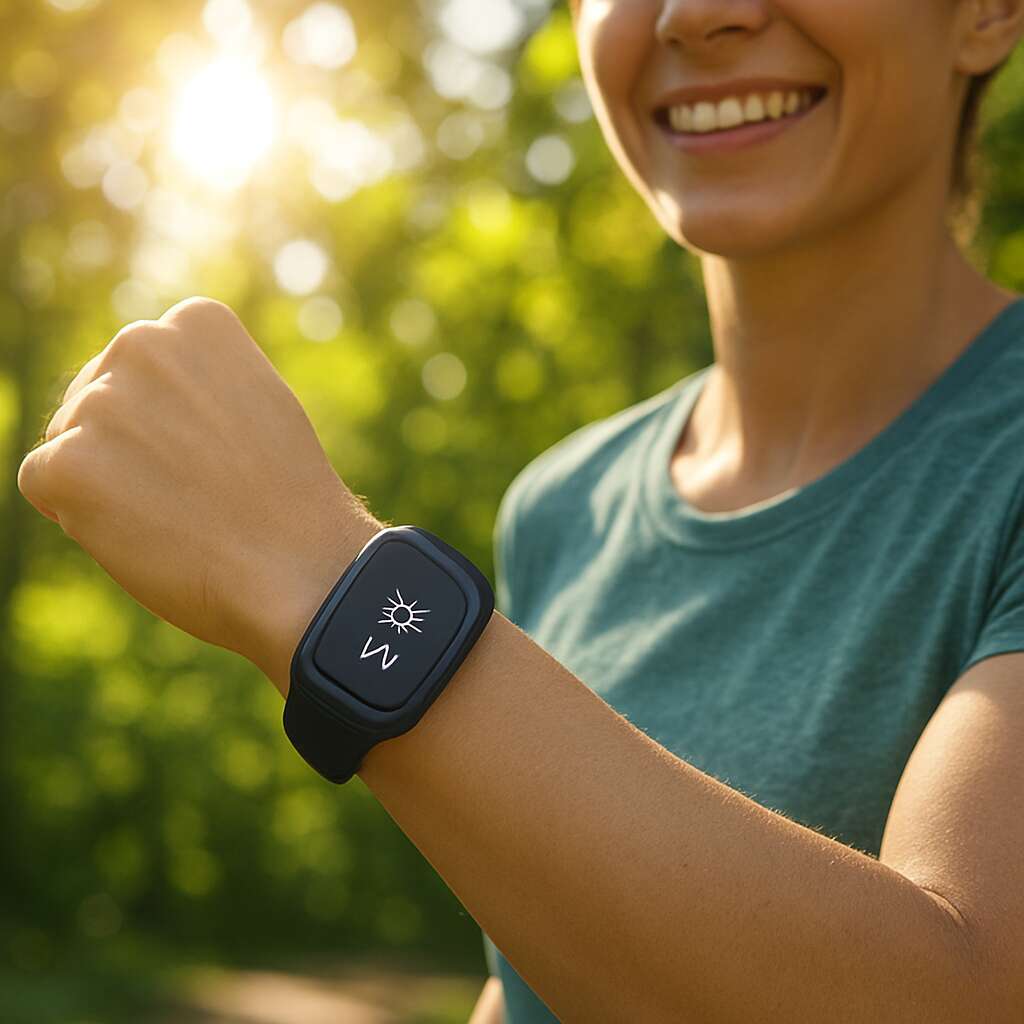
Understanding UV Exposure and Skin Health
What is UV Radiation and How Does it Affect Skin
UV radiation, invisible yet insidious, penetrates deep into the layers of our skin, subtly influencing our health and appearance. Its pervasive presence means that nearly everyone is exposed at some point during the day, especially in the UK where casual outdoor activities often go unprotected. Understanding UV exposure is more than just knowing about sunburns; it’s about recognizing the long-term impact on skin integrity and aging.
Recent advancements have introduced UV exposure wearables for skin health, transforming how we monitor our sun exposure in real time. These devices do more than track UV levels—they provide critical data that can alert users to potential skin damage before it occurs. For instance, some wearables use smart sensors capable of detecting UV intensity and duration, helping to manage skin health proactively:
- Personalized UV exposure alerts
- Insights on optimal protective measures
- Data-driven skin health management
By integrating these wearables into daily routines, users gain an unseen advantage in safeguarding their skin while enjoying outdoor activities. As the importance of skin health rises, understanding UV radiation’s role and leveraging innovative UV exposure wearables for skin health becomes a game-changer in preventative skincare strategies.
Types of UV Rays: UVA, UVB, and UVC
While sunlight is vital for many aspects of well-being, its ultraviolet (UV) rays can stealthily damage our skin. Understanding the different types of UV rays—UVA, UVB, and UVC—is crucial to appreciating the importance of UV exposure wearables for skin health. UVA rays penetrate deep into the dermis, contributing to premature aging and skin elasticity loss. UVB rays cause surface damage, leading to sunburns and an increased risk of skin cancer. UVC rays, mostly absorbed by the Earth’s atmosphere, have less impact on daily exposure but are significant in some artificial sources.
Sun protection hinges on knowing which type of UV radiation you’re exposed to and for how long. Here is a quick rundown:
- UVA: Penetrates deeply, accelerates aging
- UVB: Causes burns, contributes to skin cancer risk
- UVC: Mostly blocked by the atmosphere, less common in everyday UV exposure
Incorporating UV exposure wearables for skin health enables real-time monitoring of these different UV rays. These sweet innovations can measure UV intensity and duration, providing insights that help tailor sun protection strategies. By paying close attention to the nuances of UV exposure, users can develop a more sophisticated understanding of their skin’s vulnerability—making these wearables a modern essential in preventative skincare routines.
Risks of Excessive UV Exposure
Every moment spent basking in the sun ties us closer to invisible threats lurking beyond our senses. Excessive UV exposure, often dismissed as a mere inconvenience, actually orchestrates a silent assault on our skin’s integrity. For those committed to skin health, understanding this delicate dance between light and tissue becomes an act of self-preservation. UV exposure wearables for skin health transform this abstract threat into tangible data, illuminating how much ultraviolet radiation we encounter daily. By translating raw UV levels into clear insights, these devices empower users to make informed decisions and mitigate damage before it manifests visibly.
Loss of skin elasticity, premature aging, and increased cancer risk are among the quiet consequences of relentless UV exposure. Many underestimate the cumulative toll—what might seem like simple sunbathing today can evolve into long-term skin damage. Without awareness of how long and how intensely the skin faces UV rays, this damage can quietly accumulate. Wearing UV exposure wearables for skin health allows us to assess our real-time exposure, measure UV intensity, and understand our unique vulnerabilities. This knowledge transforms preventative skincare from guesswork into a strategic, science-backed routine. In doing so, it is possible to navigate the sun’s rays more thoughtfully, reducing the long-term psychological and physical toll they can exert.
Signs of Skin Damage from UV Exposure
Understanding UV exposure is a vital part of safeguarding our skin’s vitality in a world where sunlight’s embrace is both welcome and warning. While many appreciate the warmth of a sunny day, few realize how insidious the cumulative effects of UV rays can be. UV exposure wearables for skin health transform this unseen threat into a tangible ally, providing real-time data on UV intensity and duration. These devices can turn the intangible influence of sunlight into actionable insights, helping us act before damage becomes visible.
Signs of skin damage from UV exposure can be subtle yet significant. Uneven pigmentation, fine lines, and a loss of skin suppleness are often early indicators. Persistent redness or a rough, leathery texture might signal that the skin’s natural defenses are overwhelmed. To better grasp these warning signs, some wearable devices incorporate features that monitor skin changes over time, alerting wearers to potential damage. Observing these cues allows individuals to understand how their daily habits impact skin health and to adjust their routines accordingly.
The Importance of UV Protection for Different Skin Types
In a world obsessed with selfies and sun-kissed selfies, understanding UV exposure and its impact on skin health has become a trendy necessity. Statistically, many people underestimate just how sneaky UV radiation can be, subtly accelerating skin aging without warning. That’s where UV exposure wearables for skin health step in—making the invisible threat visible and manageable. These nifty devices turn the sun’s silent assault into tangible data, allowing users to see real-time UV intensity and duration right on their wrist.
Different skin types require different levels of protection, which is why how your skin responds to UV rays is as unique as your fingerprint. Fair skin, for instance, is like a delicate flower—more prone to burning and damage. Darker skin shades offer some natural defense but still need protection, especially because UV exposure can cause long-term harm and hyperpigmentation. UV exposure wearables for skin health often include features that help individuals with various skin tones understand when they’ve had enough sun and when to seek shade. By tracking skin’s response and UV levels, users can make smarter decisions to preserve their skin’s vitality.
- Skin type
- UV intensity
- Time spent under the sun
In the UK, where the weather is famously unpredictable, wearing a UV wearable can be your smartest companion. Not only do these devices help you avoid the telltale signs of UV damage—such as uneven pigmentation and early wrinkles—but they also empower you with personalized insights suited for your skin type. When you understand how sensitive your skin is, you can better tailor your skincare routine and outdoor activities to maintain that youthful glow without risking overexposure. Elsewhere, this technology continues to revolutionize how we think about skin health, turning what once was guesswork into a science of prevention.
Types of UV Exposure Wearables
UV Monitoring Devices and Sensors
In a world increasingly aware of skin health, UV exposure wearables for skin health are becoming vital tools for those who want to stay protected without sacrificing style or convenience. These devices are more than just fashionable accessories—they are sophisticated sensors designed to monitor UV radiation levels in real-time. This allows users to understand precisely when ultraviolet rays reach their peaks, helping them make informed decisions about sun protection. The wearable market has seen a surge in versatile options, from sleek wristbands to embedded clip-ons, all crafted to seamlessly integrate into daily routines.
Most UV monitoring devices for skin health feature advanced sensors capable of tracking UVA, UVB, and UVC exposure. These sensors often use photodiodes or silicon-based detectors to measure UV intensity, providing accurate data that can be synced with smartphones or smartwatches. The proliferation of UV exposure wearables for skin health means that users can promptly receive alerts when UV levels become high or when protective measures are needed, effectively transforming sun safety from reactive to proactive. This evolution in wearable tech signifies a new era of personalised skin health management—where vigilance and technology collide to safeguard against harmful UV rays.
Smart Wearables with UV Detection Capabilities
In a society where the sun’s rays dance with relentless intensity, UV exposure wearables for skin health have emerged not merely as accessories but as silent sentinels guarding our skin’s delicate frontier. These smart wearables with UV detection capabilities serve as modern alchemists, transforming raw data into protective craftsmanship for our most visible organ. Their sleek designs blend seamlessly into everyday attire, making protection an effortless part of life’s tapestry.
Within this evolving landscape, there are several compelling types of UV exposure wearables for skin health that stand out. Some opt for elegant wristbands embedded with sophisticated sensors, while others feature subtle clips that discreetly monitor UV levels at various angles. The choice is as diverse as the sun’s own spectrum. These devices often harness photodiodes or silicon-based detectors, ensuring that every flicker of UV radiation is captured with impeccable accuracy.
- Wrist-worn devices: Classic yet continuous, artisans of everyday UV vigilance.
- Clip-on adapters: Versatility encased in minimalism, ready for any style or setting.
- Embedded smart textiles: Weaving protection into the fabric of fashion itself—an innovative leap for skin health.
What truly makes these wearables remarkable is their ability to turn raw UV data into real-time alerts, personalized insights, and proactive safety measures. In a realm where UV exposure can be unpredictable, these companions illuminate the path—empowering users to adjust their actions before harm can take hold. Thus, UV exposure wearables for skin health become trusted guardians, transforming sun safety from reactive to intentionally protective, as technology and human vigilance intertwine in a seamless dance of care.
Fashion-Integrated UV Wearables
In the realm of UV exposure wearables for skin health, fashion-savvy innovation has begun to blur the lines between practicality and personal style. These devices are no longer bulky tech items—they are now woven into the very fabric of our daily existence, making sun safety both elegant and effortless. As awareness of UV risks deepens, more individuals seek wearables that integrate seamlessly into their wardrobe, turning protection into a statement of sophistication.
Among the standout options are fashion-integrated UV wearables, crafted to complement diverse aesthetic sensibilities. Think sleek wristbands that resemble luxurious accessories or discreet clips that blend into everyday attire. Such innovations often employ photodiodes or silicon-based detectors, ensuring precise UV level monitoring while maintaining visual harmony. This creates a natural synergy between technology and personal style, transforming protective gear into a subtle yet continuous reminder to shield the skin from harmful rays.
- Stylish wristbands with embedded UV sensors act as constant guardians, merging function with flair.
- Chic clip-on adapters discreetly monitor UV exposure at multiple angles without disrupting a look.
- Smart textiles are revolutionising fashion, weaving UV protection directly into the fabric—an enchanting fusion of beauty and safety.
The beauty of these fashion-integrated UV wearables for skin health lies in their ability to provide real-time alerts and personalized insights, ensuring that sun safety is both a conscious choice and a natural part of self-expression. In this way, they become more than mere accessories—they are trusted companions in the ongoing pursuit of radiant, healthy skin under the sun’s unyielding gaze.
Wearable Masks and Accessories for UV Protection
When it comes to UV exposure wearables for skin health, one of the most intriguing innovations lies in wearable masks and accessories designed specifically for ultraviolet protection. These devices aren’t your typical tech gadgets; they’re more like the fashionable sidekicks your skin has been dreaming of. Imagine a sleek mask that filters UV rays while you stroll through the park or a stylish hat with embedded UV sensors—showcasing that sun safety can be as trendy as it is practical.
Particularly popular are UV-protective masks that combine high-tech functionality with comfort. These masks often feature built-in sensors to monitor real-time UV levels, alerting you when it’s time to seek shade. Accessories like clip-on UV sensors or discrete brooches also serve as subtle guardians of your skin, ensuring protection from multiple angles without pesky interruptions to your look. It’s the perfect marriage of fashion and science—making skin health a statement rather than a chore.
- Wearable UV masks with integrated sensors that track UV exposure;
- Discreet clip-on devices that effortlessly monitor UV levels from any angle;
- Fashionable accessories such as UV-monitoring brooches or rings that blend seamlessly with your wardrobe.
Compatibility and Connectivity Features
As the dialogue between technology and human vulnerability deepens, UV exposure wearables for skin health stand out as pragmatic yet sophisticated responses to a universal concern. These devices are more than mere tools; they are extensions of our awareness—tech that aligns with our innate desire to preserve beauty and vitality amidst relentless UV rays. Compatibility and connectivity are the twin pillars ensuring these wearables integrate seamlessly into daily life, transforming passive protection into active engagement.
UV exposure wearables for skin health often feature Bluetooth or Wi-Fi connectivity, allowing real-time data sharing with smartphones or health platforms. This interconnectedness offers users an ongoing narrative of their UV exposure, fostering a consciousness far beyond traditional sunscreen routines. Devices such as UV-sensitive rings or clip-on sensors are designed with compatibility in mind, fitting effortlessly into various lifestyles and devices.
Some advanced models even include multifaceted features like:
- Automatic alerts when UV levels reach dangerous thresholds
- Historical data logs for personal tracking
- Customizable notifications aligned with user skin type and activity patterns
This interconnected ecosystem ensures that UV exposure wearables for skin health not only monitor but also motivate smarter, more conscious choices—making sun protection a nuanced act of self-care rather than a burdensome chore.
Battery Life and Durability Considerations
When choosing UV exposure wearables for skin health, battery life and durability are critical factors that many overlook at first glance. These devices need to keep pace with an active lifestyle without frequent recharging or worry about damage from daily wear. Popular models often feature rechargeable batteries designed to last between 24 to 72 hours on a single charge, depending on usage. This ensures continuous monitoring without interruption, making them suitable for weekend hikes or daily commutes.
Durability is equally important. Look for UV exposure wearables for skin health that are water-resistant or waterproof, capable of tolerating sweat, rain, and accidental splashes. Falling short here could mean compromised accuracy or device failure at the worst moment, negating the benefits of real-time UV monitoring. Some devices are constructed with rugged materials and reinforced seals, making them resilient enough for outdoor activities or vigorous exercise.
- Opt for devices with long-lasting batteries to avoid constant recharging.
- Choose wearables with high durability to withstand the rigours of daily exposure.
- Prioritise water resistance to ensure reliable performance during unpredictable weather.
Benefits of UV Exposure Wearables for Skin Health
Real-time UV Exposure Alerts
UV exposure wearables for skin health are transforming how we manage sun safety. These devices monitor your UV exposure in real-time, giving immediate feedback through alerts. That means you don’t have to rely solely on the time of day or weather forecast. Instead, you get personalized insights to avoid overexposure. An estimated 80% of visible skin aging is caused by UV rays, highlighting the importance of staying protected.
With real-time UV exposure alerts, users can adjust their outdoor activity instantly. Some wearables feature customizable alarm thresholds, helping users stay within safe limits. This proactive approach reduces the risk of sunburn and long-term skin damage. Many UV monitoring devices synchronize with smartphones, enabling seamless connectivity. The ability to track accumulated UV exposure encourages consistent skin health management. This blend of convenience and precision makes UV exposure wearables for skin health a smart addition to daily sun protection routines.
Personalized Sun Safety Recommendations
UV exposure wearables for skin health offer a new level of personalized sun safety. Unlike relying solely on weather forecasts or hourly schedules, these devices provide real-time monitoring, giving immediate feedback on your UV exposure. This proactive approach helps prevent overexposure before visible signs of damage occur, making it a game-changer for outdoor enthusiasts and everyday users alike.
By tracking your accumulated UV exposure throughout the day, UV exposure wearables for skin health enable tailored recommendations. For example, some devices can suggest when to seek shade or apply sunscreen based on your activity level and skin sensitivity. This personalized insight turns sun protection into a precise science, reducing the risk of sunburn and long-term skin damage.
- Enhanced awareness of daily UV exposure
- Customized alerts to suit individual skin types
- Seamless connectivity with smartphones for easy data management
These benefits underscore why UV exposure wearables for skin health are quickly becoming must-have tools for maintaining healthy skin. They empower users to take control, integrating eye-opening data into daily routines effortlessly, and ultimately help preserve the skin’s youth and vitality.
Data Tracking and Historical UV Exposure Analysis
In the realm of skin preservation, the meticulous tracking of ultraviolet (UV) exposure emerges as a cornerstone of preventive care. UV exposure wearables for skin health transcend mere monitoring; they serve as intimate, silent witnesses to the sun’s silent assault on our epidermal integrity. With each moment spent outdoors, these devices meticulously log UV data, cultivating a granular understanding of how environmental factors influence skin resilience over time.
Harnessing advanced sensors, UV exposure wearables for skin health compile detailed histories of daily UV radiation. This accumulative data illuminates patterns that might otherwise go unnoticed—such as peak exposure times or cumulative effects during prolonged outdoor activity. By analyzing this historical UV exposure, users can gain profound insights into their personal ultraviolet journey, enabling more precise, personalized sun safety measures.
Meaningful data unlocks tailored recommendations, whether suggesting shorter outdoor sessions or precise reapplication of sunscreen at critical intervals. Some devices even aggregate UV exposure over days or weeks, providing a comprehensive view of long-term skin health. This kind of chronicling fosters an awareness not only of immediate risks but also of the lasting impact UV radiation imprints on the skin’s future vitality. As the tendency toward health-conscious, technology-driven routines grows, the role of UV exposure wearables for skin health becomes indispensable in safeguarding skin’s youthful allure.
Integration with Mobile Apps for Skincare Management
In an era where the sun’s silent menace lurks behind clear skies, UV exposure wearables for skin health emerge as the shadowy guardians of our epidermal integrity. These devices, when integrated with mobile apps for skincare management, become more than mere tools—they are companions on a journey through the complex narrative of dermal preservation. By syncing seamlessly with smartphones, they transform raw data into visual stories, allowing users to interpret their ultraviolet journey with clarity and precision.
Through sophisticated algorithms, these wearables translate UV radiation into intuitive insights, which are then accessible via sleek mobile interfaces. This union of technology fosters a deeper understanding of personalized skin health, unraveling patterns such as peak UV timings and cumulative exposure. A well-designed mobile app can guide users with tailored recommendations, whether that’s adjusting outdoor activities or timing reapplications of sunscreen. This interconnectedness turns a once-passive act into an active dialogue between wearer and their skin’s future.
Some UV exposure wearables for skin health even feature features like push notifications for real-time UV alerts, turning moments of danger into opportunities for intervention. And with options for data visualization, they offer historical insights—an archive of every sun-soaked memory and every cautious retreat. When paired with dedicated skin health apps, these devices evoke a symphony of detailed, actionable advice that reinforces the importance of vigilant sun care routines. This symbiosis creates a triad of vigilance, comfort, and control, empowering users to confront the sun’s influence with confidence. All while safeguarding skin’s youthful allure in the face of relentless rays.
Monitoring Cumulative UV Exposure Over Time
As UV exposure continues to be an invisible threat lurking in everyday life, tracking cumulative UV exposure over time has become an invaluable practice for skin-conscious individuals. UV exposure wearables for skin health serve as silent sentinels, recording every sunbeam that kisses our skin and preserving a detailed archive of our sun interactions. This data offers a comprehensive perspective, revealing patterns that might otherwise go unnoticed—like extended periods of peak UV radiation or habitual lapses in sun protection.
By analyzing historical UV exposure, users can identify risk periods and adjust their routines accordingly—whether that’s choosing shaded areas during high-intensity hours or reapplying sunscreen with more consistency. These wearables do more than monitor; they enable a thoughtful approach to outdoor activities. Embracing UV exposure wearables for skin health transforms reactive skincare into an active, personalized journey—turning moments of vulnerability into opportunities for mindful protection.
Employing such devices can significantly reduce the likelihood of long-term skin damage, giving users a sense of agency and confidence. With detailed insights on cumulative UV exposure, each individual gains a nuanced understanding of their skin’s unique response to the sun, making these wearables an essential part of modern skincare routines. As a result, healthier skin becomes less about chance and more about informed, conscious choices.
Preventive Skin Damage and Skin Cancer Risks
Each sunbeam cast upon our skin carries a whisper, a silent invitation to damage or care—yet its threat often remains incomprehensible without vigilant monitoring. UV exposure wearables for skin health serve as our vigilant sentinels, translating invisible rays into tangible data. These devices do more than simply track; they forge a deeper understanding of how cumulative UV exposure influences skin integrity over time. When properly harnessed, this knowledge fosters a proactive approach, transforming reactive skincare into purpose-driven protection. In this context, understanding how these wearables help prevent skin damage and mitigate skin cancer risks becomes paramount.
By providing real-time UV exposure alerts, these wearables empower users to adjust their outdoor routines before harm occurs. Through detailed historical data, individuals can identify patterns of high-risk exposure—be it during midday hours or prolonged outdoor activities—and develop mindful habits. In essence, UV exposure wearables for skin health act as digital guardians, encouraging thoughtful choices that CIP minimize long-term skin damage. As a result, skin health is no longer a matter of chance but of conscious control, reducing the likelihood of skin cancer and premature aging.
Choosing the Right UV Wearable for Skin Health
Factors to Consider: Accuracy, Features, and Budget
Selecting the right UV exposure wearables for skin health demands more than just a glance at features or price tags. Accuracy is paramount; a device that cannot reliably measure UV radiation is ultimately useless in safeguarding your skin. High-quality sensors that provide precise, real-time UV exposure data can make all the difference in making informed decisions throughout the day.
Balance your budget with realistic expectations—some of the most advanced UV exposure wearables for skin health come with a higher price tag, but may offer features like personalized sun safety recommendations or data tracking that justify the investment. Consider devices that include features such as UV intensity sensors, adjustable alerts, and integration with mobile apps.
A well-chosen wearable isn’t just about affordability; it’s about aligning with your specific skin protection needs and lifestyle. A thoughtful evaluation of accuracy, features, and budget ensures you’re not merely purchasing a gadget but embracing a partnership in maintaining skin vitality amid the ever-present UV threat.
User-Friendliness and Comfort
Choosing the right UV wearable for skin health hinges not only on its technical prowess but also on user-friendliness and comfort. When a device becomes an extension of yourself rather than a burden, it seamlessly integrates into daily routines. A wearable that feels lightweight and unobtrusive encourages consistent use—an essential factor in effective UV monitoring.
Think about how your skin responds to prolonged wear; a device that chafes or causes discomfort undermines your commitment to skin protection. Opt for materials that breathe, contours that fit snugly but softly, and designs that reflect your personal style. This journey isn’t just about tracking UV rays—it’s about fostering a relationship with your skin’s wellbeing.
An optimal UV exposure wearable for skin health should make you forget it’s even there. After all, comfort transforms a good intention into a habit, turning passive monitoring into active care. When your device is a natural part of your lifestyle, it helps maintain the delicate balance between protection and pleasure—because skin health deserves no less.
Compatibility with Other Health Devices
Choosing a UV exposure wearable for skin health is no trivial matter; compatibility with other health devices can make all the difference in creating a cohesive and insightful health ecosystem. As these devices become smarter, their ability to sync seamlessly with fitness trackers, heart rate monitors, and smartwatches turns a solitary bit of tech into a connected guardian of your wellbeing.
Imagine effortlessly integrating UV exposure data with your activity levels and sleep patterns — a symphony of insights that guides truly personalised skin protection strategies. Look for devices that boast compatibility with popular health apps, enabling smooth data sharing and analysis.
One design principle often overlooked is interoperability; a device that plays nicely with others will likely enhance your overall health regimen more than one that remains a lone wolf. After all, the goal isn’t just monitoring UV rays but crafting a comprehensive approach to skin health that respects your entire wellness landscape.
Brand Reputation and Product Reviews
Choosing a reputable brand when investing in UV exposure wearables for skin health isn’t just about brand recognition; it’s about trust and proven reliability. The allure of sleek designs and innovative features can be tempting, but without a solid reputation, that allure may mask compromised accuracy or limited durability. In an industry where precision matters, consumer reviews can serve as a window into real-world performance.
Product reviews delve into user experiences, revealing insights about comfort, ease of use, and long-term reliability. They help distinguish products that genuinely deliver on their promises from those that fall short. A device praised for consistent, precise UV measurement and seamless app integration indicates a thoughtful design rooted in genuine innovation.
Opting for brands with transparent histories and positive user testimonials ensures that your skin health journey is supported by technology you can rely on. When it comes to UV exposure wearables for skin health, trust built through reputation and authentic feedback often guides the most informed choices—because clarity in the digital age is everything.
Future Trends in UV Wearable Technology
As the landscape of health technology evolves, the future of UV exposure wearables for skin health promises innovation that can redefine personal sun safety. Cutting-edge developments suggest a move toward more intuitive, AI-driven devices that not only monitor UV levels but also adapt seamlessly to individual skin types and lifestyles. Imagine wearables that learn from your habits, providing proactive alerts before UV exposure becomes damaging, transforming the way we engage with sun safety daily.
Advancements are likely to focus on integrating augmented reality features, allowing users to visualize their cumulative UV exposure in real time. Enhanced data accuracy, paired with wearable designs that blend fashion and function, aims to make daily skin protection effortless. As the industry leans toward sustainability, eco-friendly materials and longer-lasting batteries will become the standard, ensuring these devices are not only smart but also environmentally conscious.
Progress in sensor technology anticipates a future where UV exposure wearables for skin health offer hyper-specific metrics. These can include detailed UV spectrum analysis, helping users understand how UVA and UVB rays differently affect their skin. With this level of precision, personalized recommendations will become more refined, promoting optimal skin health management in an increasingly digital society.
In essence, staying ahead in sun safety means embracing tech that adapts and learns—heralding a new era where UV wearables are as much about style and connectivity as about protecting your skin in an unpredictable world.