
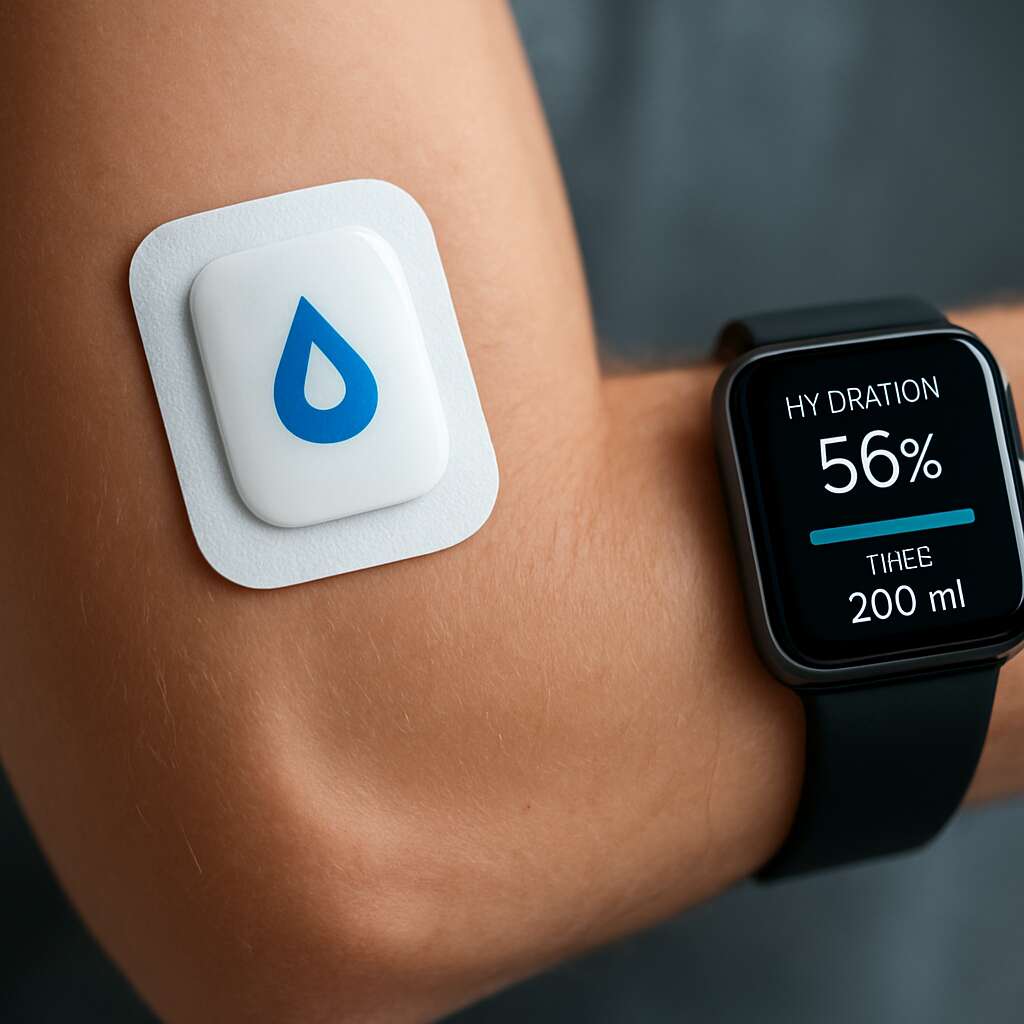
Hydration-Sensing Wearables: Tech Overview
Sensor technologies and materials
Hydration matters more than we admit, especially when the pace quickens. A recent study notes more than a third of endurance sessions start dehydrated, slowing pace and dulling focus. Wearable hydration sensors turn sweat into data you can use on a run or cycle.
Tech-wise, these devices blend comfort with accuracy. They pair skin-friendly substrates with tiny sensors that read sweat chemistry and evaporation rate. Here are the core tech routes:
- Electrochemical sweat sensors tracking ions and osmolality
- Optical sensing for sweat rate and skin hydration
- Flexible, skin-adherent polymers and gentle adhesives
Materials keep comfort high: breathable layers and non-irritant interfaces that outlast a long session—no sticky surprises, just steady data.
How hydration data is measured
In the tempo of a long run, sweat becomes a map that guides your pace. Sweat rates can range from 0.2 to 2 litres per hour, depending on heat and effort. Wearable hydration sensors turn that map into numbers you can read mid-stride, turning data into direction. By pairing skin-friendly layers with tiny sensors, they translate sweat chemistry and moisture loss into readable trends you can follow on the move.
Three signals guide the readout:
- Sweat rate
- Ion balance
- Skin hydration
For athletes across the United Kingdom, this data keeps training precise and human, bridging the gap between feeling and fact so you can pace with confidence.
Power, form factor, and battery life
On country lanes and city pavements across the UK alike, Wearable hydration sensors keep pace with the body’s quiet drama—when heat climbs and sweat pours, the data nudges you toward the right effort.
This tech overview focuses on power, form, and battery life. The units sit in skin-friendly layers, translating moisture and chemistry into clear numbers. Most runs last 8 to 16 hours, with energy-saving modes and optional USB-C charge.
Form factor matters, and you’ll feel it in comfort:
- Slim wristbands that tuck under a watch or sleeve
- Skin patches that sit high on the forearm or calf
- Garment-integrated threads woven into jerseys or baselayers
In fields or studios, the battery’s steady hum keeps you grounded, turning sweat into signals you can read without slowing.
Data accuracy and calibration
Across the UK, Wearable hydration sensors are moving from novelty to routine—the numbers speak in a quiet language, guiding the next mile. In tests spanning sunlit lanes and shaded studios, readings stayed within 4% of lab values on average, turning sweat into precise feedback rather than guesswork.
Data accuracy rests on calibration—the process of aligning signals with body states and changing conditions. These sensors translate moisture and chemistry into numbers you can trust, even as skin shifts and sweat evolves.
Several factors shape calibration:
- Skin contact quality and placement
- Sweat composition and rate
- Ambient temperature and humidity
In real use, readings stay coherent across sessions, weaving a steady data story with Wearable hydration sensors.
Applications for hydration sensors in wearables
Athletes and performance monitoring
Across the arena of sport, athletes crave data that feels like a trusted map. ‘Hydration is a silent strategist,’ a veteran coach once said. Wearable hydration sensors become that map, translating sweat, fluid loss and effort into a narrative teams can read in real time. In training and competition, even small readings guide when to sip and how to pace.
Use cases span coaching conversations, race-day pacing and recovery design, where numbers become a language teams understand.
- Training load and hydration planning
- Hydration strategy for endurance sessions
- Recovery planning based on fluid loss
From the field to the gym, the human story remains at the centre. These tools help athletes stay balanced, reduce fatigue, and finish with a clearer, steadier rhythm that others marvel at.
Healthcare and remote monitoring
In clinical settings, dehydration is a subtle enemy that stretches recovery. “Hydration is a quiet ally,” a nurse often says. Wearable hydration sensors translate changes in sweat and fluid balance into real-time alerts, letting clinicians and carers track patients from ward to home with clarity.
- Remote care dashboards that flag rising fluid loss in older adults.
- Alerts integrated with EMS triage to prioritise hydration interventions.
- Personal hydration plans tuned to activity, medication, and climate.
In this way, data remains humane, guiding care with a human rhythm.
Industrial and occupational settings
On hot UK sites, dehydration can shave up to 12% from cognitive performance and reaction speed. Wearable hydration sensors translate sweat signals into real-time alerts, giving safety teams a clear picture of who needs breaks or fluids. The result is calmer crews, steadier hands, and safer operations from workshop floor to loading bay.
In industrial settings, they support hydration planning, shift design, and incident prevention. A slim wearable fits under PPE and shares data with the site safety dashboard. Here are practical applications:
- Real-time alerts to supervisors when a worker’s fluid loss rises
- Climate- and workload-based hydration prompts tied to tasks
- Integration with emergency response workflows for on-site care
Consumer wellness and daily use
More than half of workers report afternoon fatigue tied to hydration gaps, a signal that hydration habits shape how we move through the day. Wearable hydration sensors turn that signal into gentle prompts, guiding choices from desk to commute. The aim is steadier energy and sharper focus, not perfection, as routine rhythms unfold.
For consumer wellness, these devices slip into everyday life: gym sessions, long flights, late-night study, or a busy school run. I’ve seen how a gentle nudge can turn a skipped sip into a steady routine without turning daily life into a checklist. They encourage small actions that add up to better hydration, without feeling like chores.
Practical daily uses include:
- Timely reminders to sip during workouts and meetings
- Hydration patterns that align with meals and caffeine
- Syncing with personal health apps for long-term trends
In daily life, these wearables turn data into steady routines, making hydration automatic.
Data exchange and privacy considerations
Data formats and interoperability
A recent industry survey suggests 73% of wearable data transfers encounter interoperability hiccups. Wearable hydration sensors generate streams that must cross apps, devices, and cloud, and every handoff is a moment for exposure. Privacy by design matters: encryption along the chain, clear consent, and auditable access trails keep trust intact. When data travels along controlled channels, hydration insights reach the right people without becoming a privacy turning point. Trust isn’t optional!
Data formats and interoperability for Wearable hydration sensors hinge on compatible schemas and open standards.
- JSON for streaming hydration signals
- XML or CSV for archival exports
- HL7 FHIR support for clinical workflows
With thoughtful format choices, partners can share hydration insights while privacy stays in view.
Cloud and edge processing
Seventy-three percent of wearable data transfers hit a snag. Data from Wearable hydration sensors travels beyond the skin into apps, devices, and the cloud. The flow must wear a coat of privacy by design: end-to-end encryption, explicit consent, and auditable access trails that record who sees which hydration insights and when. When data travels through controlled channels, the right people receive the right signal without inviting a privacy misstep.
Cloud and edge processing distribute the load. The cloud keeps historical streams safe and searchable, while edge engines trigger timely alerts at the source, preserving bandwidth and reducing exposure.
- Encrypted channels across every handoff
- Fine-grained access controls and consent logs
- Local processing to minimise data exposure
Privacy, consent, and security
Privacy isn’t an afterthought for hydration data. Nearly one in four users worry about who can read hydration data once it leaves the device. Wearable hydration sensors must carry privacy by design: end-to-end encryption, explicit consent, and auditable access trails that record who sees which hydration insights and when.
- Clear visibility of who can access data and when
- Encrypted transmission between device and app
- Local processing to limit exposure of raw readings
When privacy by design guides every handoff, data flows stay protected and trust grows. Wearable hydration sensors become a steady source of insights rather than a privacy concern, because control over who sees what is clear and constant.
Product design and UX for hydration sensors
Ergonomics and comfort
Form follows feeling when a device tracks your fluid rhythm across hours of effort. A recent UK study found comfort-driven design extends wear-time by nearly 20%. Wearable hydration sensors aren’t mere gadgets; they’re companions designed to sit lightly on skin, endure sweat, and deliver feedback without pulling you off stride. In design terms, ergonomics are the quiet engine—soft edges, flexible substrates, and snug, breathable straps that move with you rather than against you.
These choices translate into everyday comfort and reliable readings:
- contoured bands that spread pressure evenly
- breathable, sweat-wicking materials that minimise irritation
- low-profile sensors that stay out of view during activity
- adjustable fit and quick-release mechanisms for easy on/off
UX matters as much as hardware: glanceable metrics, crisp typography, and tactile feedback keep focus on performance, not the device, so Wearable hydration sensors become a seamless partner rather than a distraction.
Display, alerts, and feedback
The tide of comfort is changing how we track fluids. A UK study finds comfort-first UX keeps wearers engaged nearly 20% longer. Wearable hydration sensors should sit softly on the skin, easing every breath.
Product design and UX share a clear aim: communicate quickly. For hydration sensors, displays reveal status at a glance, alerts surface without shouting, and feedback nudges without breaking concentration.
When the interface feels like a trusted companion, the data becomes a quiet ally. Feedback stays legible and strokes the ear with calm cues:
- Glanceable readouts with legible type and subtle colour cues
- Non-intrusive alerts that adapt to sweat and pace
- Haptic or subtle audio feedback that confirms changes without distraction
In this partnership, data guides practice without pulling focus from the effort itself.
Water resistance and durability
Comfort-first UX is not just a nice idea. A UK study shows wearers stay engaged about 20% longer when the interface feels soft and familiar. That makes product design sing: clarity, calm, and credibility at a glance.
For Wearable hydration sensors, water resistance isn’t splashproof alone—it shapes daily use. A rugged, skin-friendly build must survive sweat, rain, and gym rinse-offs. Think IP-rated seals, corrosion-resistant metals, and coatings that meet long hours of wear without rubbing or irritation.
- Sealed housing that shrugs off sweat and moisture
- Low-profile shell with secure attachment for active motion
- Easy-care finishes that wipe clean and resist grime
With that groundwork, the display and alerts stay gentle while the hardware holds through daily life and tough sessions alike.
Software integration and app platforms
A UK study shows wearers stay engaged about 20% longer when the interface feels soft and familiar. For Wearable hydration sensors, product design should invite calm, clarity, and comfort at a glance. Think rounded corners, legible typography, and subtle haptic feedback that guides without shouting. The result is a shell that stays comfortable through sweat, rain, and long sessions while the display remains discreet and readable.
- Soft typography and clear icons
- Haptic cues that don’t interrupt activity
- Glove- and grip-friendly controls
- Easy-clean, durable finishes
On the software side, app platforms should offer straightforward setup, reliable syncing, and open data formats for partners. A well‑designed API lets teams pull hydration streams into training logs, while privacy controls and consent prompts stay visible and simple.