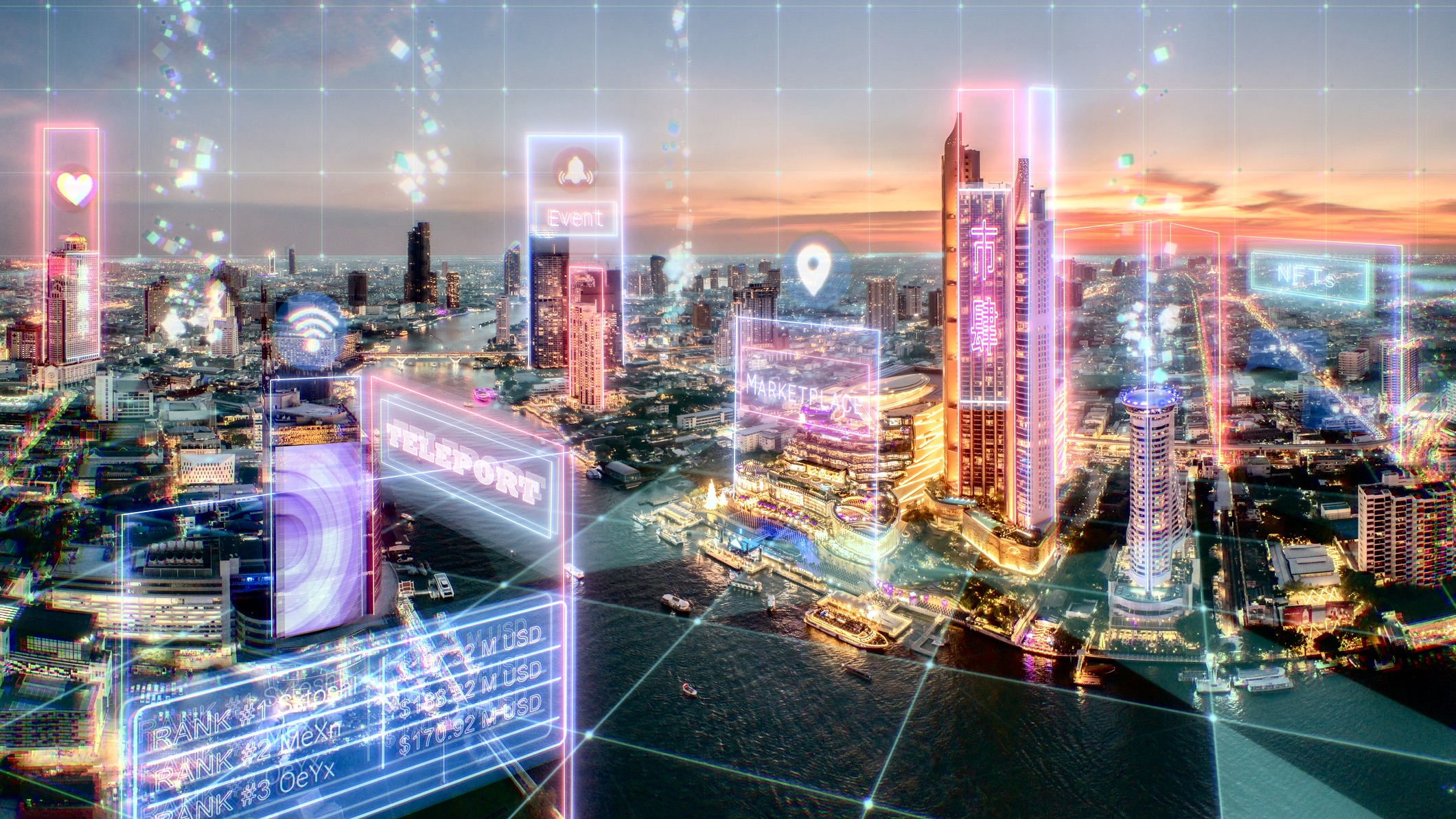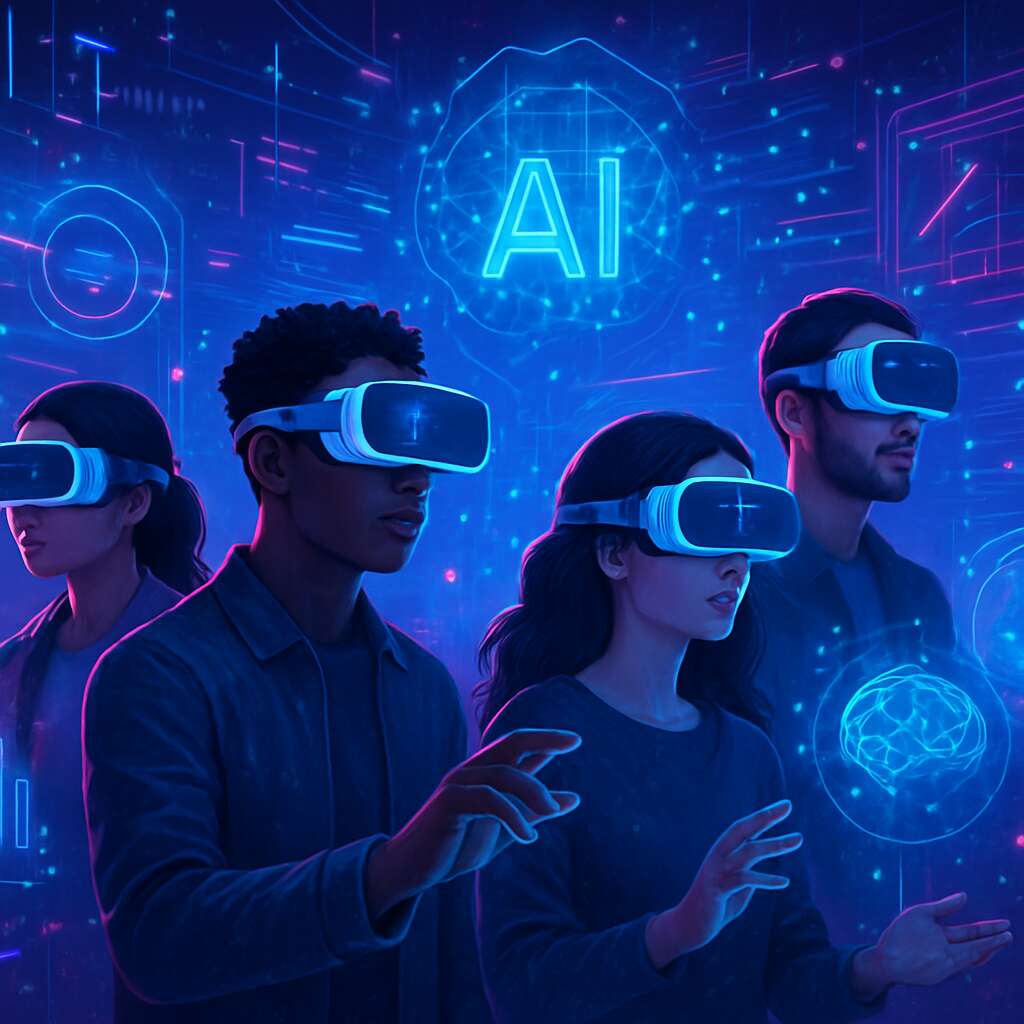
Beyond the Horizon of Glass and Code: Entering AI-Powered Immersive XR Worlds
Reality, once solid, is learning to breathe.
It stretches. It bends. It listens.
We stand at the shoreline of a new continent—
one not drawn on maps, but rendered in light—
where AI-Powered Immersive XR Worlds unfold like living dreams. Not screens to be watched, nor games to be played, but places to inhabit. Places that respond. Places that remember. Places that change because you are there.
This is not escapism.
It is expansion.
When Reality Learns to Respond
Extended Reality—XR, the woven fabric of virtual, augmented, and mixed realities—has existed for years in fragments. Headsets. Demos. Novelty experiences. But with the arrival of advanced artificial intelligence, those fragments fuse into something whole.
AI-Powered Immersive XR Worlds do not wait passively for interaction. They observe. They adapt to gaze, posture, voice, mood, hesitation. They learn how you move through space and alter themselves accordingly.
A city rearranges its streets to guide curiosity.
A forest deepens its silence when you pause to listen.
A learning environment reshapes itself around your confusion—then your understanding.
This is the fundamental shift: worlds that do not merely render graphics, but interpret presence.
From Static Simulations to Living Worlds
Traditional virtual environments were scripted. Finite. Predictable.
In contrast, AI-Powered Immersive XR Worlds are generative. They create themselves in real time, guided by narrative engines, behavioural models, and adaptive intelligence. No two journeys are the same. No environment remains fixed.
An ancient library grows new corridors when questions deepen.
A training simulation invents challenges calibrated precisely to your skill.
A collaborative workspace evolves its architecture to enhance focus and flow.
These worlds are not designed once.
They are grown continuously.
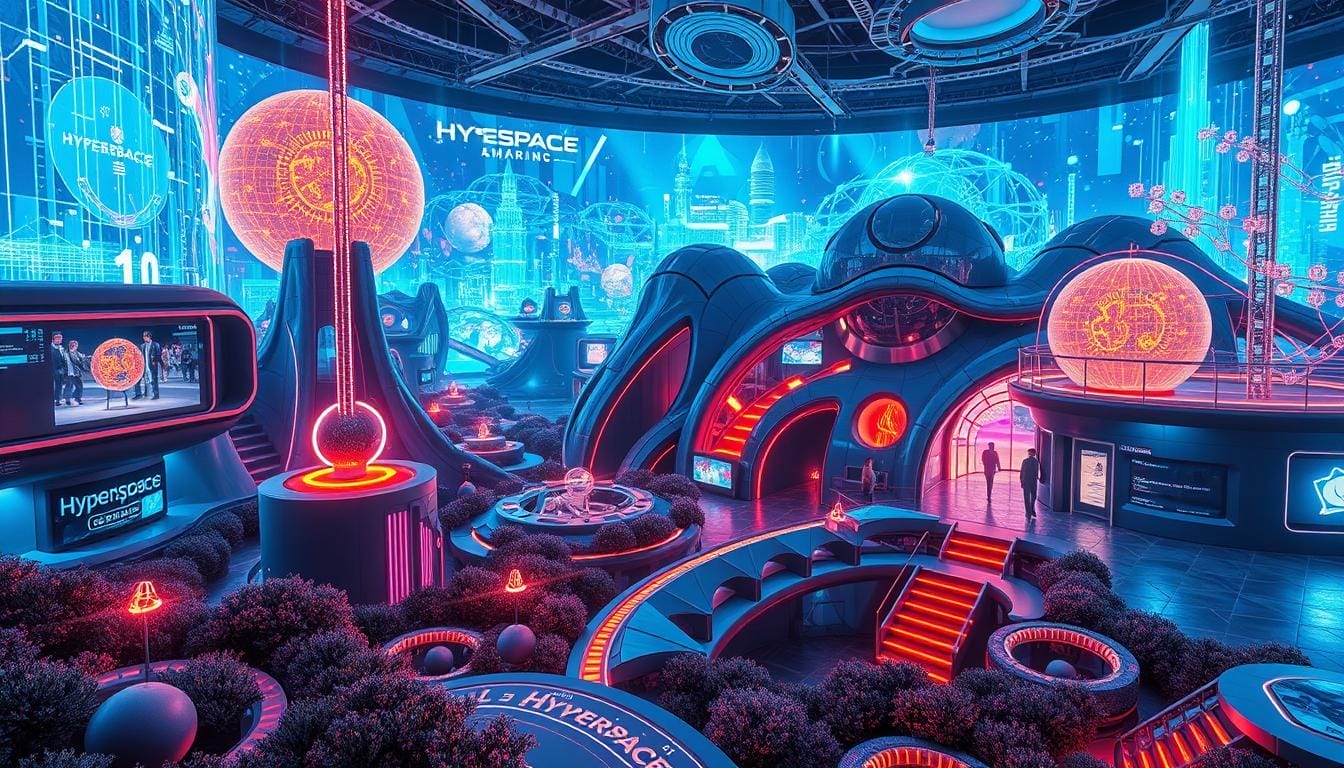
At the heart of these environments lie advanced AI systems capable of perception, reasoning, and generative creation. Language models converse with you inside the world. Vision models understand your gestures. Behavioural systems anticipate intent before it is spoken.
Research organisations such as OpenAI are pushing intelligence beyond text and into spatial understanding—teaching machines not only to answer, but to inhabit. Meanwhile, companies building immersive hardware and platforms—like Meta—are laying the foundations for persistent virtual spaces where AI becomes the invisible architect.
Together, they are building worlds that feel less like software and more like ecosystems.
Work, Reimagined as Presence
In AI-Powered Immersive XR Worlds, work sheds its flatness.
Meetings are no longer rectangles of faces. They are shared spaces—walkable, writable, malleable. Ideas float as objects. Data becomes terrain. Strategy sessions unfold around models you can step inside.
A product designer sculpts in midair alongside an AI collaborator.
An engineer debugs a system by walking through its logic.
A remote team feels co-located, not connected.
Distance dissolves—not through faster communication, but through shared embodiment.
Education Without Walls
Learning changes most dramatically of all.
In an AI-Powered Immersive XR World, history is not read—it is entered. Science is not explained—it is experienced. Medicine is practised without risk. Architecture is tested before a single stone is laid.
AI tutors adapt lessons moment by moment, sensing confusion before questions are asked. They reshape environments to match learning styles, attention spans, and emotional states.
The classroom becomes infinite.
The curriculum becomes personal.
And curiosity—once constrained by access—finds room to roam.
The Return of the Human Body
Ironically, the more digital our worlds become, the more the body matters.
XR is not passive consumption. It demands movement, orientation, balance, presence. AI-Powered Immersive XR Worlds are designed around human physiology—eye tracking, hand gestures, spatial memory.
This re-centres experience in the body, not the screen.
You do not scroll through these worlds.
You inhabit them.
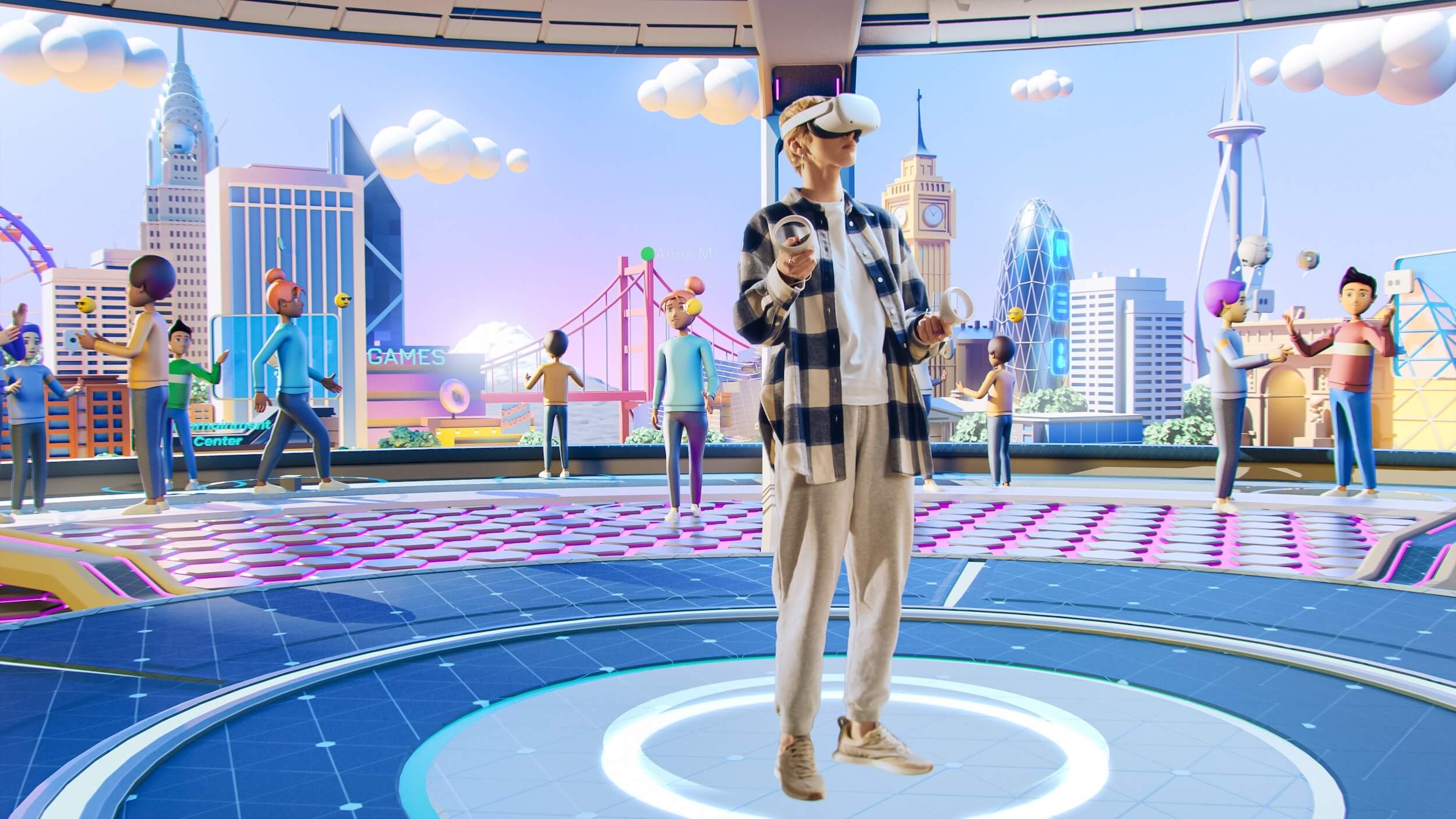
Art That Breathes Back
Artists are among the first to truly understand what is happening.
In AI-Powered Immersive XR Worlds, art is no longer finished. It is responsive. A poem rearranges itself as you walk through it. A symphony changes tempo with your heartbeat. A gallery curates itself around your emotional reactions.
The audience becomes co-creator.
Creativity shifts from expression to dialogue.
Identity in a Shapeshifting World
With immersion comes questions of self.
Who are you in a world where form is optional? Where identity can be fluid, symbolic, or fantastical? AI-Powered Immersive XR Worlds allow individuals to explore versions of themselves unconstrained by biology, geography, or expectation.
For some, this is liberation.
For others, disorientation.
Yet identity has always been a negotiation. XR simply makes that negotiation visible.
Ethics at the Edge of Reality
When worlds feel real, responsibility intensifies.
Who governs behaviour in an immersive environment? Who is accountable when AI-generated spaces manipulate emotion, belief, or memory? Institutions like the World Economic Forum warn that immersive technologies combined with AI could blur truth, consent, and agency faster than laws can adapt.
A world that responds to you also influences you.
Design, therefore, becomes a moral act.
Commerce, Culture, and New Economies
AI-Powered Immersive XR Worlds give rise to economies untethered from physical scarcity. Digital land, virtual craftsmanship, experiential services, and AI-generated environments become tradable value.
A guide leads meditative journeys through algorithmic landscapes.
An architect designs worlds, not buildings.
A storyteller sells experiences that unfold uniquely for each visitor.
Culture expands sideways, not just forward.
Not an Escape—but a Mirror
Critics fear retreat from the physical world. Yet history suggests otherwise. Every new medium—from books to cinema to the internet—was accused of pulling humanity away from reality.
Instead, it reshaped it.
AI-Powered Immersive XR Worlds are not about leaving the real world behind. They are about augmenting how we think, learn, collaborate, and imagine within it.
They are mirrors that show us what we value when constraints fall away.
Standing on the Threshold
We are early. The worlds are still rough at the edges. The headsets still heavy. The ethics still forming.
But the direction is unmistakable.
AI-Powered Immersive XR Worlds represent a turning point where intelligence gains space, and space gains intelligence. Where reality is no longer static, but conversational.
The question is no longer whether these worlds will exist.
It is who will design them—
and what values they will quietly encode
into the places we may one day call home.