
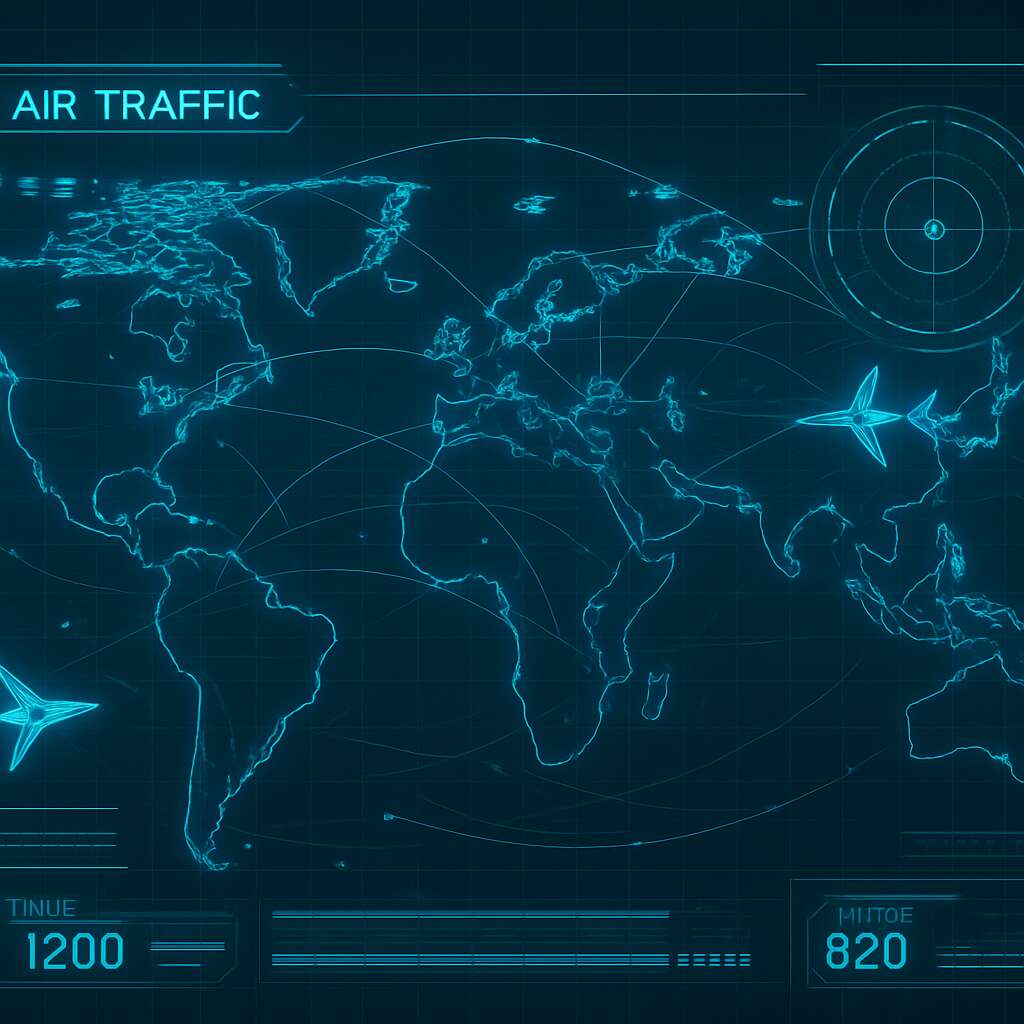
Eyes in the Sky That Never Blink: AI 2026 Flight Radar and the New Language of Air
The sky has always been watched.
By sailors with sextants.
By pilots with instinct.
By towers with tired eyes and coffee gone cold.
But by 2026, the sky itself will begin to think.
AI 2026 flight radar is not merely an upgrade to aviation systems—it is a quiet revolution unfolding above our heads, where data becomes foresight and airspace learns to anticipate its own movements. The heavens, once vast and indifferent, are being translated into patterns, probabilities, and predictive intelligence.
Flight no longer passes through the sky.
It converses with it.
From Echoes to Understanding
Traditional radar listens for echoes.
AI listens for meaning.
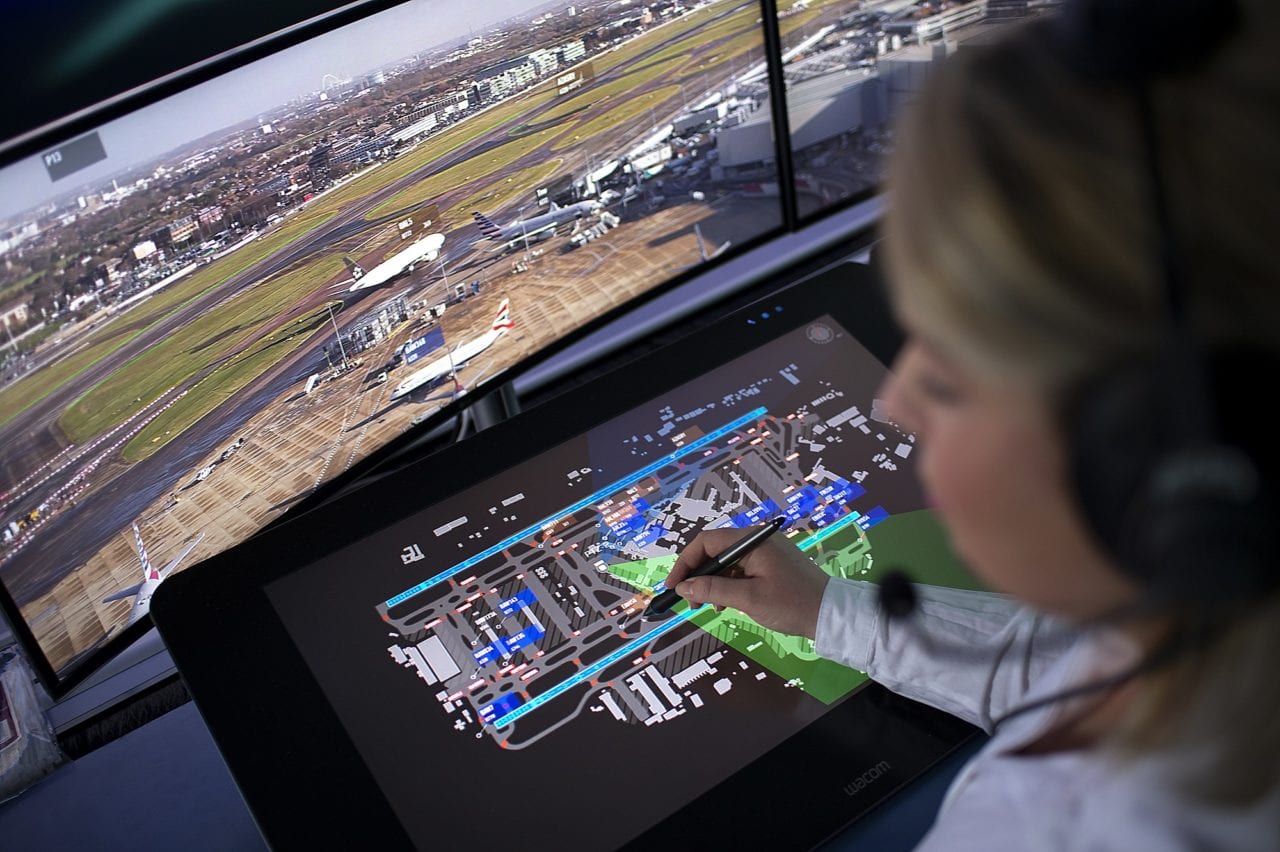
For decades, flight radar has been reactive—detecting position, altitude, speed, and trajectory, then handing interpretation to human controllers. By 2026, that division dissolves. AI does not simply track aircraft; it understands behaviour, intent, and risk in real time.
An aircraft climbing too slowly is not just flagged—it is contextualised. Weather, aircraft type, historical performance, pilot behaviour, congestion patterns, and micro-climate turbulence are analysed instantly. The system does not ask what is happening?
It asks what will happen next?
This is the heart of AI 2026 flight radar: predictive air awareness.
The Sky as a Living System
Airspace is no longer empty space between points. It is a dynamic organism.
AI-driven radar systems in 2026 fuse satellite data, ADS-B signals, weather models, ground radar, and aircraft telemetry into a single, coherent intelligence layer. Every aircraft becomes a data node. Every movement informs the whole.
Congestion ripples are detected before they form.
Near-miss scenarios dissolve before pilots sense danger.
Weather cells are read not as storms, but as evolving personalities.
The sky gains memory.
And with memory comes foresight.
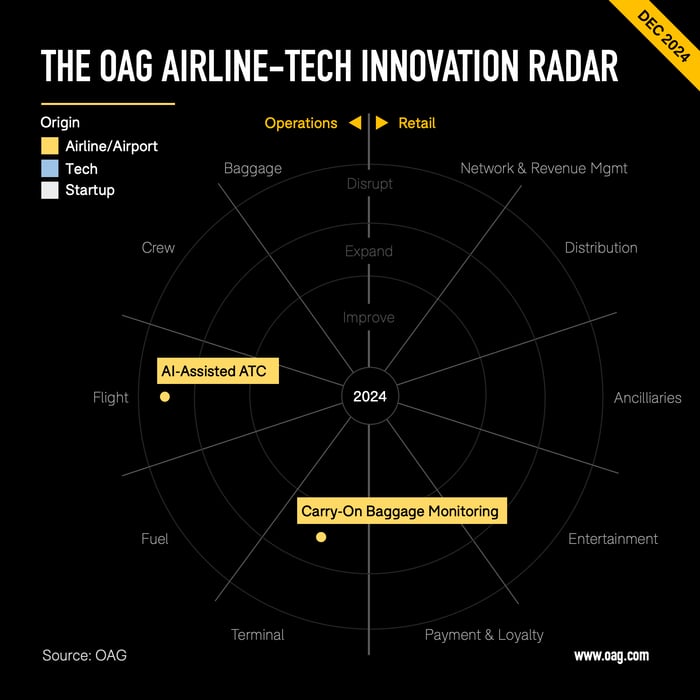
In 2026, air traffic controllers do not disappear.
They ascend.
AI 2026 flight radar systems act as tireless co-pilots for control towers—monitoring thousands of variables simultaneously, suggesting optimal routing, spacing, and sequencing with machine precision.
Controllers move from micromanagement to orchestration. Instead of reacting to alerts, they supervise intent-aware systems that recommend actions before stress enters the room.
Institutions such as Federal Aviation Administration and EUROCONTROL have already laid the groundwork for AI-assisted airspace management. By 2026, those foundations mature into systems that reduce delays, fuel burn, emissions, and human error—all at once.
Safety is no longer a checklist.
It is a continuously learned state.
Invisible Threats, Made Visible
Some dangers cannot be seen by the human eye—or by legacy radar.
Drones, high-altitude balloons, erratic private aircraft, signal spoofing, and unexpected military activity complicate modern skies. AI 2026 flight radar excels precisely here: in anomaly detection.
AI systems learn what normal looks like across millions of flights. Anything that deviates—too subtly for humans to notice—is flagged, classified, and tracked.
Not with panic.
With calm certainty.
The result is a sky that becomes increasingly self-aware, capable of distinguishing noise from threat without human fatigue.
Pilots Flying with an Intelligent Horizon
Inside the cockpit, the sky feels different too.
Pilots in 2026 receive AI-curated situational awareness, not raw data. Instead of interpreting cluttered screens, they interact with layered insights—traffic flows, turbulence forecasts, optimal climb profiles, and contingency routing, all updated continuously.
AI 2026 flight radar does not override human judgment. It sharpens it.
A pilot senses confidence not because risks vanish—but because they are understood earlier.
Satellites That Never Sleep
Above it all, satellites watch patiently.
Next-generation orbital systems feed AI radar engines with uninterrupted global coverage—over oceans, deserts, polar routes, and conflict zones once hidden from ground-based radar.
Every flight leaves a continuous digital contrail, not just for tracking, but for learning. Patterns of inefficiency are identified. Airspace bottlenecks are redesigned. Entire routes evolve algorithmically over time.
The sky becomes optimised not once—but endlessly.
Sustainability Written into the Air
Fuel is weight. Weight is cost. Cost is carbon.
AI 2026 flight radar quietly reshapes aviation’s environmental footprint by enabling more direct routing, smoother climbs, smarter holding patterns, and predictive weather avoidance.
Planes burn less because they wait less.
They divert less because they know more.
Sustainability does not arrive as sacrifice, but as efficiency unlocked by intelligence.
Security in an Age of Uncertainty
In a world of geopolitical tension, aviation security cannot rely on static rules.
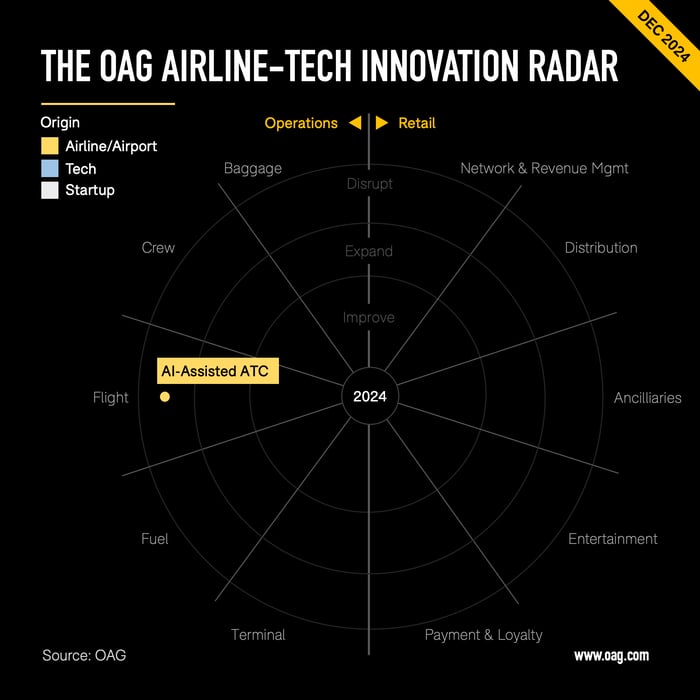
AI-powered radar systems learn evolving threat signatures, adapting faster than human-defined protocols ever could. They integrate intelligence feeds, restricted airspace changes, and behavioural models into live airspace decisions.
The sky becomes resilient—not rigid.
The Human Question
With so much intelligence in the system, a familiar question arises:
Where does the human fit?
The answer is clear by 2026: at the level of judgment, ethics, and responsibility. AI 2026 flight radar can predict outcomes—but it does not bear consequence. Humans remain accountable for final decisions, guided by systems that make those decisions wiser.
Technology does not replace vigilance.
It extends it beyond exhaustion.
A Sky That Knows Itself
For centuries, flight was an act of courage against uncertainty.
For decades, it was a triumph of engineering.
By 2026, it becomes an exercise in collective intelligence.
AI 2026 flight radar transforms the sky from a passive medium into an active participant—one that watches, learns, anticipates, and quietly protects.
Passengers may never notice.
Flights will simply feel smoother.
Delays rarer.
Landings calmer.
But above them, unseen and tireless, the sky will be thinking.
And for the first time in human history,
it will be thinking with us,
not just around us.