
Understanding Quantum Computing
Basics of Quantum Mechanics
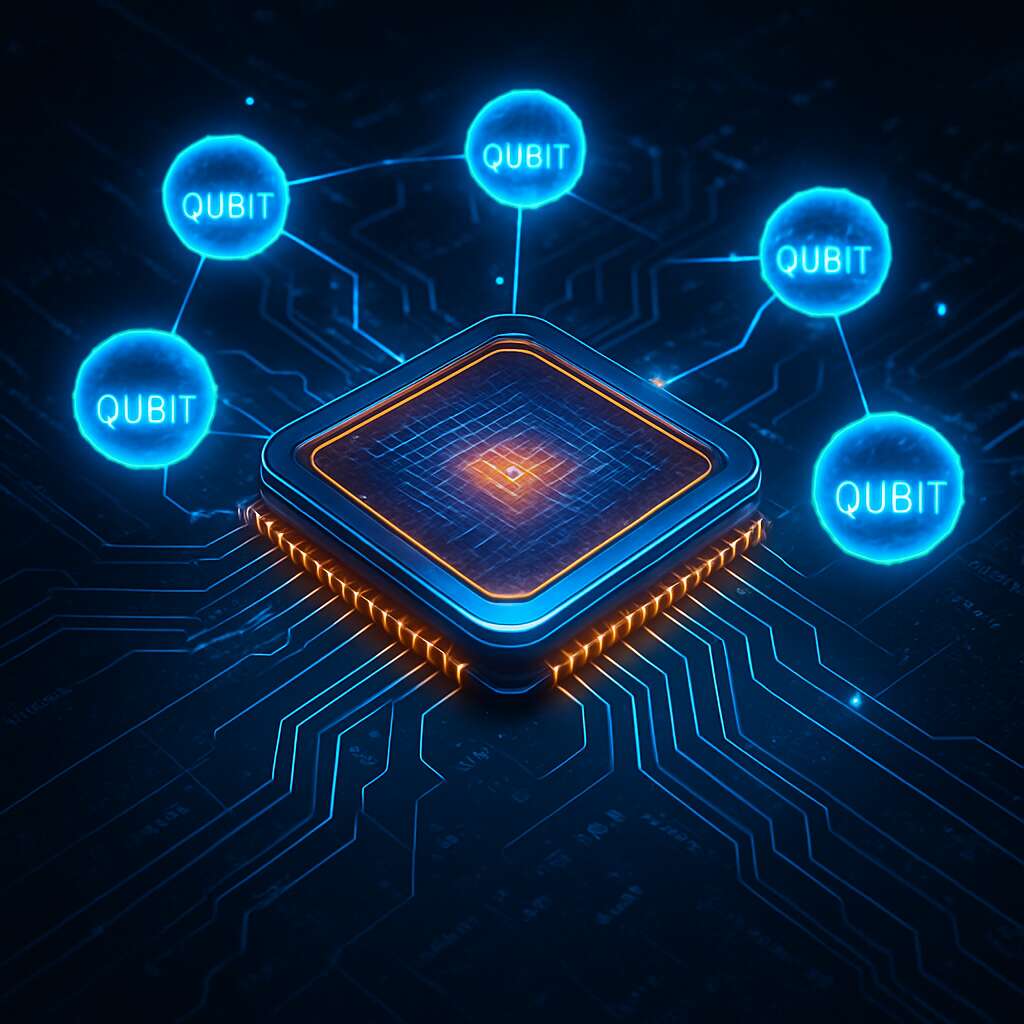
In the shadowed corridors of modern technology, quantum computing emerges as a spectral force, bending the very fabric of reality with its eerie precision. At its core lies a haunting dance of particles that defy classical understanding, governed by the mysterious principles of quantum mechanics. Unlike traditional computers, which process information in binary bits—either 0s or 1s—quantum computers manipulate qubits, entities that can inhabit multiple states simultaneously, creating a tapestry of infinite possibilities. This strange phenomenon, known as superposition, unlocks computational power unlike anything we’ve seen before, yet also awakens shadows of vulnerability in our cryptographic defenses.
To comprehend the dark allure of quantum computing, one must understand the fundamental principles of quantum mechanics: superposition, entanglement, and interference. Superposition allows qubits to exist in a blend of states, while entanglement weaves an unbreakable thread between particles regardless of distance. This interconnectedness breeds extraordinary processing capabilities but also poses a threat to existing cryptographic systems—hence, the rise of post-quantum cryptography. As we stand on the precipice of this technological abyss, the need to craft cryptographic shields resilient enough to withstand quantum’s eerie might becomes ever more urgent.
How Quantum Computers Work
Quantum computing operates on an entirely different plane—one where the rules of classical logic no longer apply. Instead, it harnesses the strange, almost supernatural behavior of particles at the atomic level. At its core, a quantum computer uses qubits, which can exist in multiple states simultaneously thanks to superposition. This allows quantum systems to process vast combinations of possibilities at once, making them exponentially faster for specific tasks.
So, how does this work in practice? Quantum computers leverage entanglement—a phenomenon where particles become intertwined in such a way that the state of one instantly influences the state of another, regardless of distance. This interconnectedness enables the rapid execution of complex calculations that would take traditional computers millennia. For example, quantum algorithms like Shor’s algorithm threaten to crack widely used encryption methods—highlighting the importance of developing robust solutions in the realm of post-quantum cryptography.
- Quantum gates manipulate qubits, allowing for the execution of intricate quantum algorithms.
- Superposition and entanglement combine to exponentially increase processing power.
- Quantum algorithms can solve problems beyond the reach of classical computers, especially in cryptography and optimization.
This technological leap isn’t just about speed; it’s about rewriting the very foundation of digital security. As quantum computers evolve, so too must the cryptographic systems designed to protect sensitive data—ushering in a new era of post-quantum cryptography that aims to stay one step ahead of this eerie, unstoppable force.
Differences Between Classical and Quantum Computing
Quantum computing marks a seismic shift in how we process information, diverging radically from traditional methods. Unlike classical computers that rely on bits—either 0 or 1—quantum computers utilize qubits, which can embody multiple states simultaneously. This fundamental difference means they aren’t just faster; they’re capable of tackling problems previously deemed impossible.
To grasp the core distinction, think of classical computing as navigating a well-lit corridor with a single flashlight, illuminating one path at a time. Quantum computing, however, is like wielding a thousand flashlights, each revealing different paths simultaneously. This extraordinary capability is powered by superposition and entanglement, two phenomena at the heart of quantum mechanics. These elements enable quantum systems to execute complex calculations at an exponential scale, opening doors to revolutionary applications—particularly in cryptography.
- Classical computers process one calculation at a time, constrained by binary logic.
- Quantum computers can perform multiple calculations simultaneously, leveraging quantum parallelism.
- This ability makes quantum algorithms, such as Shor’s algorithm, a real threat to traditional encryption methods—highlighting the urgent need for robust Post-Quantum Cryptography solutions.
Understanding these differences isn’t just academic; it’s crucial for navigating a future where digital security and data protection will depend on how well we adapt to the rapid evolution of Quantum Computing & Post-Quantum Cryptography. The stakes are high, and the race is on to develop cryptographic systems that can withstand the formidable power of quantum technology.
Current State and Advances in Quantum Technology
Quantum computing is no longer confined to the realm of theoretical physics or sci-fi fantasies. Recent breakthroughs suggest that we are on the cusp of a new era, with quantum technology advancing at an astonishing pace. Companies and research institutions worldwide are racing to harness the power of qubits, pushing the boundaries of what’s possible. According to a 2023 report, quantum processors now feature dozens of functional qubits, inching closer to the milestone of fault-tolerant quantum machines. It’s a fascinating period where progress is measured in qubits rather than megahertz.
Current state-of-the-art quantum systems are still in their infancy but demonstrate promising capabilities for specific tasks like optimization, simulation, and cryptography. Quantum advances in hardware—such as superconducting circuits and ion traps—are steadily improving coherence times and error rates. The race isn’t just about creating bigger quantum computers; it’s about making them reliable enough for real-world applications, especially in the critical fields of cybersecurity and data encryption.
As the quantum landscape evolves, so does the urgency of developing Post-Quantum Cryptography. This emerging field aims to build cryptographic systems resistant to quantum attacks, ensuring data remains secure in a post-quantum world. It’s a complex chess game—each new quantum leap demands a strategic move in cryptography to stay ahead of the technology curve.
The Significance of Quantum Computing in Cryptography
Potential Impact on Data Security
Quantum Computing’s potential to revolutionize cryptography is both exhilarating and disconcerting. As the capabilities of quantum processors accelerate, their impact on data security becomes increasingly profound. Traditional encryption methods, once deemed unbreakable, face imminent obsolescence in the face of this technological upheaval. The very fabric of digital confidentiality hinges on the resilience of cryptographic algorithms—yet, quantum algorithms like Shor’s threaten to unravel these safeguards with astonishing speed.
In this landscape, Post-Quantum Cryptography emerges as a critical frontier, striving to develop encryption techniques resilient against quantum attacks. Its importance cannot be overstated, particularly for nations like Cyprus where digital security is intertwined with economic stability and national interests. The strategic imperative is clear: to safeguard sensitive information, we must anticipate the quantum leap and adapt. Preparing for this future involves understanding which cryptographic frameworks will withstand the onslaught of quantum computation and which will crumble beneath it.
Problems Posed to Classical Cryptographic Algorithms
Quantum computing is no longer just a theoretical concept; it poses real challenges to classical cryptographic algorithms. As quantum processors advance, they threaten to render traditional encryption methods obsolete—especially those relying on RSA and ECC. This shift underscores the urgent need to understand the significance of quantum computing in cryptography problems.
Quantum algorithms like Shor’s algorithm can factor large integers and solve discrete logarithms exponentially faster than classical methods. This capability directly compromises the security of widely used cryptographic systems. For nations like Cyprus, where digital assets and sensitive data are integral to economic stability, the stakes are high. We must recognize that the cryptographic landscape is on the brink of transformation.
In response, researchers focus on developing Post-Quantum Cryptography to counteract these threats. These new encryption techniques aim to withstand quantum attacks and preserve data confidentiality. The challenge is choosing frameworks that will endure the quantum leap, ensuring that our digital security remains robust in an era dominated by quantum computing & Post-Quantum Cryptography.
Real-world Use Cases and Future Outlook
The advent of quantum computing transforms the very fabric of cryptography, exposing vulnerabilities in systems once deemed unbreakable. In Cyprus, where digital assets and sensitive information underpin economic stability, the implications are profound. As quantum processors inch closer to practical reality, the urgency to develop resilient cryptographic frameworks intensifies.
Real-world applications of quantum computing extend beyond theoretical musings; they are reshaping industries with unprecedented speed. From secure communications in government agencies to safeguarding financial transactions, the influence of quantum technology is becoming tangible. This evolution compels us to rethink how data remains confidential in an era where classical encryption algorithms face imminent obsolescence.
In response, the field of Post-Quantum Cryptography emerges as a vital frontier—an intricate dance between innovation and security. The future landscape hinges on the ability to craft encryption methods that withstand quantum assaults, ensuring data integrity persists despite the rapid march of technological progress. As we navigate this complex terrain, understanding the interplay between Quantum Computing & Post-Quantum Cryptography becomes not just strategic but essential for safeguarding digital sovereignty.
Introduction to Post-Quantum Cryptography
Definition and Purpose
As the horizon of technological innovation expands, the emergence of Quantum Computing & Post-Quantum Cryptography signals a seismic shift in how we safeguard our digital world. These groundbreaking fields promise to revolutionize the very fabric of cybersecurity, challenging traditional notions of encryption and data privacy. The purpose of post-quantum cryptography is to develop cryptographic algorithms resilient enough to withstand the formidable power of quantum computers, which threaten to render classical encryption obsolete.
Essentially, post-quantum cryptography aims to forge a new frontier in data security—a resilient shield against future threats. It is an urgent response to the realization that existing cryptographic standards could soon be vulnerable. As quantum technology advances, so too must our defenses, ensuring that sensitive information remains protected in an era where computational capabilities are expanding beyond classical limits. The stakes are high—embracing post-quantum cryptography is no longer optional but vital for safeguarding the integrity of digital communications worldwide.
Types of Post-Quantum Cryptographic Algorithms
Within the intricate dance of technological evolution, **Post-Quantum Cryptography** emerges as a beacon of resilience—a sophisticated shield designed to withstand the formidable power of quantum computers. As the global landscape shifts towards unprecedented computational capabilities, the need for innovative cryptographic algorithms becomes paramount. This field is not merely about safeguarding data; it’s about pioneering a new era where security is rooted in mathematical ingenuity, capable of withstanding the relentless march of quantum advancements.
Several types of post-quantum cryptographic algorithms are currently in development, each crafted to counter specific vulnerabilities exposed by quantum computing & post-quantum cryptography. These include lattice-based cryptography, code-based cryptography, multivariate cryptography, and hash-based signatures. They offer diverse approaches to encrypting information—some leveraging the complexity of high-dimensional lattices, others harnessing the difficulty of solving multivariate equations or decoding error-correcting codes. The goal? To create algorithms that remain secure even when quantum technologies become mainstream.
As quantum computing & post-quantum cryptography continue to intertwine, understanding these algorithmic foundations is essential for future-proofing our digital infrastructure. The path forward is a delicate balance of innovation and vigilance, ensuring that the integrity of global data streams endures amid the quantum revolution.
Importance for Securing Future Communications
In an era where digital threats evolve faster than ever, the emergence of quantum computing & post-quantum cryptography marks a pivotal turning point. As quantum machines inch toward surpassing classical computational limits, the security of our future communications hangs in the balance. Post-quantum cryptography isn’t just a safeguard; it’s a proactive shield designed to preserve privacy in a world where quantum capabilities could unravel traditional encryption methods overnight.
Understanding the importance of post-quantum cryptography is critical for securing sensitive data against these formidable advances. This innovative field aims to develop algorithms that can withstand the immense processing power of quantum computers, ensuring the integrity of digital transactions, government secrets, and personal information. The stakes are high—without robust post-quantum cryptography, the foundation of modern cybersecurity could collapse under the weight of quantum decryption abilities.
Standards and Initiatives
As quantum computing accelerates towards mainstream viability, establishing robust standards for post-quantum cryptography has become an urgent priority. Governments, tech giants, and security agencies worldwide are rallying behind initiatives aimed at defining these standards. The goal? To create a resilient digital infrastructure capable of withstanding the formidable power of future quantum machines.
Several organizations are leading the charge, including the National Institute of Standards and Technology (NIST), which has launched a groundbreaking effort to evaluate and endorse post-quantum cryptographic algorithms. Their process involves rigorous testing of diverse algorithm types, such as lattice-based, code-based, and multivariate cryptography, to identify those best suited for real-world deployment. This coordinated approach ensures that, as quantum computing & post-quantum cryptography evolve, our security protocols stay a step ahead of potential threats.
Challenges and Solutions in Transitioning to Post-Quantum Cryptography
Implementation Challenges
Transitioning to post-quantum cryptography isn’t just a matter of swapping out algorithms; it’s a high-stakes game of digital Jenga where one wrong move could topple entire security infrastructures. The challenge lies in balancing the need for robust quantum-resistant solutions with the practical limitations of existing systems. After all, implementing quantum computing & post-quantum cryptography demands not only technical finesse but also a dash of political willpower—something that’s often in short supply in the cybersecurity realm.
One of the biggest hurdles is the computational heft required by many post-quantum algorithms. They tend to be more resource-intensive, which can slow down operations and strain legacy hardware. To navigate this maze, organizations are turning to hybrid cryptography models—think of it as a digital diplomacy where classical and quantum-resistant algorithms shake hands while the world catches up. A careful, phased approach, coupled with ongoing standardization efforts, helps mitigate the risks of rushing headlong into uncharted cryptographic waters.
Compatibility with Existing Systems
Transitioning to post-quantum cryptography is akin to navigating a labyrinth woven with shimmering threads of uncertainty and promise. Compatibility issues with existing systems pose significant hurdles—these robust quantum-resistant algorithms often demand more computational muscle than legacy hardware can muster. The challenge is not merely technical; it’s a delicate dance of integration, where rushing could unravel years of security efforts.
Solutions are emerging in the form of hybrid cryptography models, where classical and post-quantum algorithms operate side by side—each lending strength to the other. This phased approach allows organizations to adapt gradually, reducing risk while standardization efforts continue to evolve. The journey through this quantum landscape demands patience, precision, and a touch of ingenuity—ensuring that the leap to quantum-resistant security is both resilient and seamless.
Timeline for Migration
The transition to Quantum Computing & Post-Quantum Cryptography is not merely a technological shift; it’s a strategic odyssey fraught with formidable challenges and nuanced solutions. One of the most persistent hurdles is the timeline for migration—an intricate ballet where patience and precision must coexist. Organizations often grapple with the reality that implementing quantum-resistant algorithms requires a phased approach, one that carefully balances risk mitigation against operational continuity.
To navigate this labyrinth, many adopt hybrid cryptography models—an elegant compromise where classical and post-quantum algorithms operate side by side, each reinforcing the other’s resilience. This layered security approach allows for a gradual migration, affording ample time to refine standards and align infrastructure without exposing vulnerabilities. The journey through this quantum landscape demands not only technological ingenuity but also a profound understanding of evolving standards, ensuring that the leap to quantum-resistant security remains both seamless and resilient.
Research and Development Efforts
The transition to Quantum Computing & Post-Quantum Cryptography presents a complex maze of challenges that demand innovative solutions. One of the most pressing issues is the significant R&D effort required to develop and standardize quantum-resistant algorithms. These advancements are not merely technical milestones but pivotal for safeguarding future data security. Organizations often find themselves at a crossroads, where rapid implementation could introduce vulnerabilities, yet delays risk exposure to quantum threats.
To address these hurdles, many researchers advocate for a phased approach—balancing rigorous testing with incremental deployment. This strategy often involves
- collaborative international standards development
- intensive cryptanalytic research
- robust testing environments
to ensure compatibility and resilience. Such efforts are crucial for navigating the intricate landscape of Quantum Computing & Post-Quantum Cryptography, ensuring that solutions are both forward-looking and practically deployable without compromising security during the transition period. The journey is undoubtedly complex, but with a focused R&D commitment, the path to quantum-resilient security becomes increasingly attainable.
Future of Quantum Computing and Post-Quantum Cryptography
Innovation Trends
The horizon of Quantum Computing & Post-Quantum Cryptography is shimmering with both promise and profound uncertainty. As technological advances accelerate, the future landscape is poised for radical transformation—yet, with that comes a moral weight that cannot be ignored. The race to harness quantum power is not merely about innovation; it’s about safeguarding the integrity of global communications and data security in an era where classical encryption may soon become obsolete.
Emerging trends suggest a shift towards hybrid cryptographic architectures that blend quantum-resistant algorithms with traditional methods. This approach aims to bridge the divide and ensure a smoother transition into the post-quantum era, especially for regions like Cyprus, where digital security is vital for economic stability. As we look ahead, multiple initiatives are exploring layered defenses that anticipate the vulnerabilities posed by advanced quantum algorithms. The journey is complex, but the stakes have never been higher—this is a pivotal moment in the evolution of Quantum Computing & Post-Quantum Cryptography.
Potential Threats and How to Prepare
The future of Quantum Computing & Post-Quantum Cryptography teeters on the edge of both revolutionary breakthroughs and looming threats. As quantum algorithms inch closer to cracking classical encryption, the global digital fortress faces an unprecedented challenge—especially for regions like Cyprus, where banking and government communications are lifelines. The question isn’t just about technological progress but about safeguarding trust in our interconnected world.
One of the most pressing concerns is the potential for quantum computers to render current cryptographic standards obsolete overnight. This looming threat underscores the importance of proactive measures—adopting quantum-resistant algorithms and developing layered security architectures. The race is on, and preparation isn’t optional; it’s essential for securing future communications and preserving data integrity in the quantum era.
To stay ahead, organizations should consider implementing hybrid cryptographic architectures that combine classical and post-quantum methods. Such layered defenses serve as a digital bulwark, ensuring that vulnerabilities are minimized while the transition to quantum-proof security unfolds. As the landscape evolves, continuous investment in research and development becomes paramount, making the pursuit of quantum-resistant solutions as urgent as ever.
Collaborations and Industry Involvement
The future of Quantum Computing & Post-Quantum Cryptography hinges on global collaboration and industry involvement. As the stakes rise, it’s clear that no single entity can navigate this complex landscape alone. Instead, partnerships across academia, government, and private sector players are vital to accelerate innovation and establish robust standards. These alliances drive the development of quantum-resistant algorithms and foster the sharing of critical research, which is essential for Cyprus’s strategic sectors, including banking and government communications.
International initiatives are paving the way for a unified approach to securing digital infrastructure against quantum threats. For example, organizations participating in standards development and joint research projects create a shared framework for implementing post-quantum cryptographic solutions. Such cooperation is key to ensuring interoperability and smooth transition, especially given the rapid pace of advancements in Quantum Computing & Post-Quantum Cryptography.
- Public-private partnerships stimulate investment in cutting-edge research, ensuring that Cyprus stays ahead in the quantum race.
- Global industry involvement ensures that emerging standards are practical, scalable, and ready to deploy across diverse sectors.
- Collaboration accelerates the deployment of quantum-resistant technologies, making them accessible and effective in real-world scenarios.
Policy and Regulatory Considerations
The race to secure our digital future is more urgent than ever. As quantum computing continues its rapid evolution, policymakers face critical decisions on how to regulate and integrate post-quantum cryptography into national security frameworks. Governments worldwide recognize that establishing clear policies now can prevent future vulnerabilities and ensure the resilience of essential infrastructure.
Effective regulation must strike a balance between fostering innovation and setting robust security standards. In Cyprus, this means developing policies that encourage industry collaboration while safeguarding sensitive data from emerging quantum threats. A strategic approach involves creating adaptable legal frameworks that can evolve alongside technological advances, preventing a scenario where cryptographic standards become outdated before they are even adopted.
To navigate these complexities, policymakers are considering measures such as:
- Implementing phased migration plans for quantum-resistant algorithms
- Aligning national standards with international initiatives
- Promoting transparency and stakeholder engagement in the regulatory process
By prioritizing proactive regulation, Cyprus can position itself as a leader in quantum security—ensuring that post-quantum cryptography is not just a technical concept but a cornerstone of national resilience in the digital age. The future of Quantum Computing & Post-Quantum Cryptography hinges on these policy considerations, shaping a secure digital landscape for generations to come.