
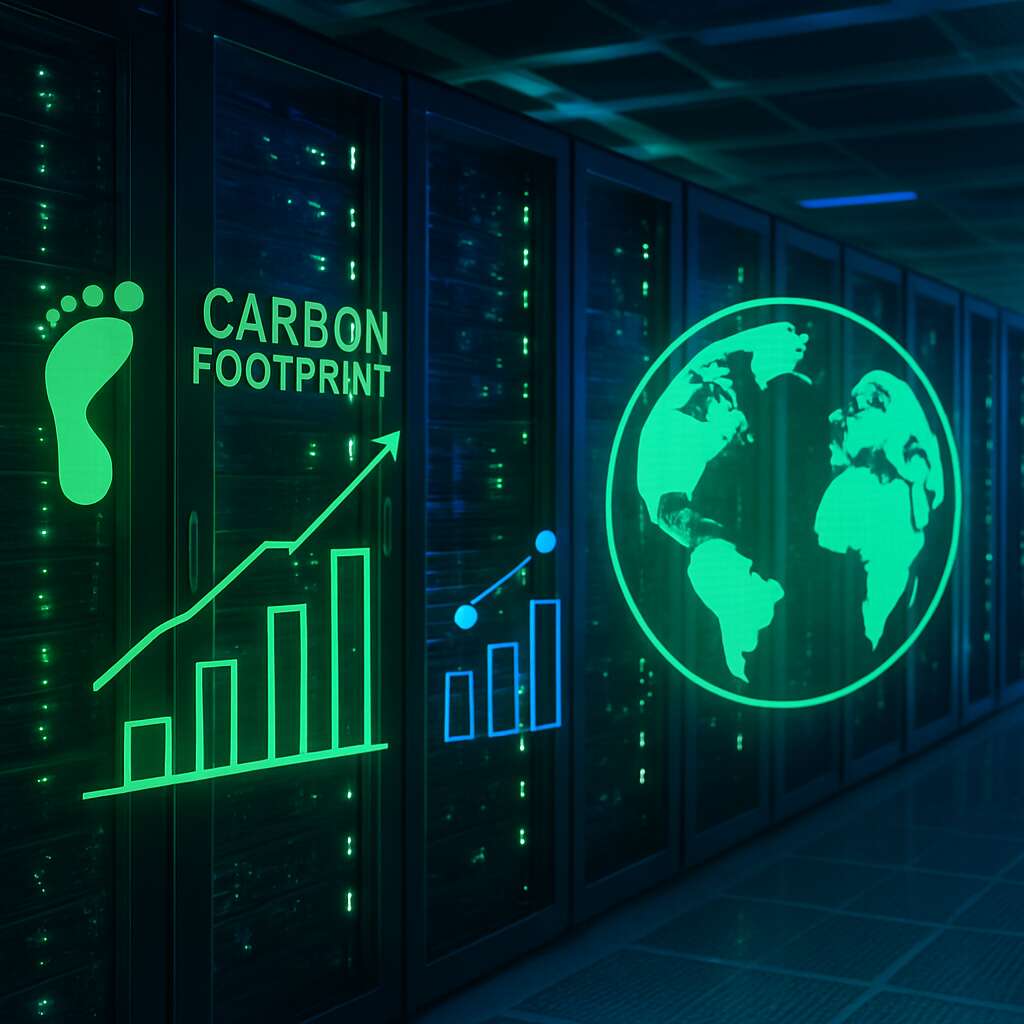
Understanding Carbon-Aware Computing Platforms
Overview of Carbon Awareness in Computing – Definition and core principles of carbon-aware computing
In a world increasingly obsessed with reducing its carbon footprint, knowing when to flick the switch on energy-hungry data centres isn’t just smart—it’s essential. Enter Carbon-Aware Computing Platforms, the digital equivalent of a weather forecast but for electricity’s eco-wellbeing. These platforms operate on the core principle that not all computing time is created equal; some moments pack a greener punch than others. By intelligently adjusting workloads based on real-time carbon intensity data, they turn climate-conscious computing from a challenge into an opportunity.
Simply put, carbon awareness in computing is about aligning data processing with periods of low carbon emissions—imagine scheduling your cloud backups when the grid runs predominantly on renewables. At the heart of these platforms lies a clever, albeit sophisticated, understanding that reducing carbon emissions from tech operations isn’t just about switching off unnecessary power—it’s about scheduling smartly. This approach makes carbon-aware computing platforms the gold standard for industries eager to combine digital innovation with sustainability. It’s a finely-tuned dance, where every byte counts in the fight for a greener planet.
Environmental Impact of Digital Infrastructure – How digital operations contribute to carbon emissions
Digital infrastructure, with all its shimmering veins of silicon and pulse of data streams, conceals an ominous truth—its shadow cast in carbon’s darkened glow. Every byte processed hollows out the Earth’s fragile veneer, as data centres guzzle electricity that often lurks in clouds of pollution. Yet, amid this seemingly boundless consumption, Carbon-Aware Computing Platforms emerge as a spectral guiding light, haunting the corridors of innovation with a whisper of sustainability. These platforms intricately weave carbon intensity data into their very DNA, adjusting workloads in a dance as ancient as night and day.
Consider this: digital operations contribute significantly to global carbon emissions—some estimates suggest they account for approximately 4% of worldwide output, rivaling the aviation industry’s toll. The unseen toll grows each time a server hums relentlessly through the night, oblivious to the environmental cost. By integrating real-time data on electricity grid carbon intensity, Carbon-Aware Computing Platforms unlock the possibility of scheduling tasks during periods of lower emissions. Sometimes that means waiting in shadows for the sun to rise, when renewable energies spill freely across the grid.
Goals and Benefits of Carbon-Aware Platforms – Reducing carbon footprint and promoting sustainable tech
In a world increasingly bound to the rhythm of digital pulses, the true potential of *Carbon-Aware Computing Platforms* lies in their ability to redefine our footprint on the Earth. These systems serve as silent sentinels, weaving the delicate threads of sustainability into the fabric of technology. Their core aim is to orchestrate a harmonious balance—reducing carbon emissions while maintaining optimum performance. By integrating real-time data on electricity grid carbon intensity, they let workloads align seamlessly with moments of low emissions, turning energy consumption into a conscious act of stewardship.
The benefits extend beyond simple reduction; they pave the way for an era of *sustainable tech* that respects the planet’s fragile equilibrium. Imagine the power of scheduling high-energy tasks during periods when renewable energies spill abundantly across the grid, effectively turning servers into guardians of the environment. Efficiencies unlocked by such platforms are not only beneficial for our climate but also craft a resilient digital infrastructure attuned to the planet’s natural rhythms.
- Lower overall carbon emissions from data processing
- Enhanced energy efficiency across digital operations
- Promotion of eco-conscious practices within enterprise environments
- Support for ambitious sustainability goals through intelligent workload management
Key Components and Technologies
Real-time Energy Consumption Monitoring – Tools for tracking energy use across systems
In a world where digital footprints leave an indelible mark on our environment, the role of Carbon-Aware Computing Platforms becomes increasingly vital. At the heart of these platforms lies real-time energy consumption monitoring—a sophisticated technology that transforms raw data into meaningful insights. Such tools are essential for tracking energy use across complex systems, revealing hidden inefficiencies, and highlighting opportunities for sustainable optimization.
By harnessing real-time energy consumption data, organizations can make informed decisions that align with their carbon reduction goals. Key components of these monitoring tools often include advanced sensors, data analytics engines, and automation protocols, which work seamlessly to ensure that every watt consumed is accounted for. The integration of these elements creates a feedback loop, fostering continuous improvement in energy efficiency.
- Energy meters and smart sensors for precise measurement
- Data visualization dashboards to interpret consumption patterns
- Automated alerts for anomalies or excessive energy use
These technologies culminate in a dynamic ecosystem where carbon-aware decision-making becomes second nature. In essence, real-time energy consumption monitoring not only supports the operational efficiency of Carbon-Aware Computing Platforms but also amplifies their capacity to achieve meaningful reductions in digital carbon footprints. It’s an investment in smarter, greener technology—driven by data and inspired by responsibility.
Renewable Energy Integration – Leveraging green energy sources in computing operations
What if your data centre could sip green tea while slashing its digital carbon footprint? Enter Carbon-Aware Computing Platforms, a game-changing innovation that champions sustainability without sacrificing performance. A vital component of these platforms is the seamless integration of renewable energy into daily operations. This isn’t just about flipping a switch—it’s about orchestrating a symphony of green energy sources that harmonize with demand.
Leveraging renewable energy sources—such as wind, solar, or hydro—requires sophisticated technology that can adapt in real-time. Smart grid management and energy storage solutions act as the backbone, ensuring that computing systems run on sustainable power whenever possible. Here’s an overview of how that might unfold:
- Dynamic energy flow adjustments based on renewable availability
- Energy storage systems to buffer intermittent green energy supply
- Automated scheduling of computing loads during peak renewable generation
By embedding these technologies within Carbon-Aware Computing Platforms, organisations turn sustainability from a buzzword into an operational reality. It’s about creating a dynamic ecosystem where green energy integration isn’t just a nice-to-have—it’s woven into the very fabric of digital infrastructure. Who knew that aligning cutting-edge tech with Mother Nature’s schedule could lead to a future where we’re digitally responsible and environmentally conscientious all at once!
Demand Response and Load Balancing – Adjusting workloads based on energy availability
Adjusting workloads in response to green energy availability is at the heart of Carbon-Aware Computing Platforms. Demand response and load balancing enable data centres to operate with minimal environmental impact by dynamically matching computing demands with renewable energy supply. This not only reduces carbon emissions but also makes the most of decarbonised power sources.
Essential to this process are technologies like automated workload scheduling and real-time energy monitoring. These systems continuously assess energy conditions and shift high-energy tasks to times when green energy is plentiful. By integrating these components, Carbon-Aware Computing Platforms transform traditional data operations into sustainable, flexible ecosystems.
- Workload prioritization based on energy availability
- Real-time adjustments driven by smart grid data
- Use of energy storage to buffer renewable energy cycles
Implementing demand response within these platforms ensures operational efficiency and environmental responsibility go hand-in-hand. This approach aligns digital infrastructure with the fluctuating nature of renewable energy, paving the way for greener, smarter computing environments.
Data Analytics for Emissions Reduction – Analyzing data to optimize carbon footprint
In the tangled web of digital operations, data isn’t just about numbers; it’s a green gem waiting to be polished. Enter data analytics for emissions reduction—an arena where insights turn into actionable change. Carbon-Aware Computing Platforms harness the power of data analytics to scrutinize every joule of energy consumed. By crunching massive datasets, these platforms identify the carbon footprint of each operation and suggest smarter ways to minimize it. Discovering inefficiencies becomes as thrilling as finding that missing sock—and just as satisfying.
This process involves a sophisticated blend of machine learning algorithms and energy pattern recognition, guiding workloads away from fossil fuels and towards greener pastures. For instance, advanced analytics can recommend shifting high-energy tasks to periods of abundant renewable energy. A natural fit emerges—think of it as a choreography where every chore is aligned with green power availability. Plus, real-time data streams offer instant insights, making emissions management not just possible but effortless.
Here’s a quick rundown:
- Continuous monitoring of energy consumption patterns
- Predictive analytics to forecast green energy availability
- Optimization algorithms that adapt in real time
By embedding these techniques into your carbon-aware computing ecosystem, your digital infrastructure becomes smarter and more sustainable. Emissions reduction isn’t just a goal; it’s embedded into the heart of the operational dashboard, transforming data centers into green trailblazers in the era of climate-conscious technology. This is the power of data analytics in a world dominated by Carbon-Aware Computing Platforms—where insights spark sustainability with every byte processed.
Machine Learning for Predictive Optimization – Using AI to forecast and improve energy efficiency
In the era of escalating climate concerns, the integration of Machine Learning for predictive optimization within Carbon-Aware Computing Platforms marks a profound shift in sustainable digital operations. AI-driven models excel at parsing vast data streams, revealing patterns that humans might overlook, yet are critical in the quest for energy efficiency. These platforms use sophisticated algorithms to anticipate fluctuations in renewable energy availability, aligning workload demands with green power surges.
At the heart of this process lies a nuanced understanding of energy patterns—discerning when solar or wind energy peaks, and adjusting data center activity accordingly. Rather than reactively managing emissions, Machine Learning enables proactive, smarter decisions that minimize the carbon footprint of digital infrastructures. This predictive capability transforms the operational landscape of data centers, fostering a symbiosis between technology and environmental stewardship.
- Forecast renewable energy generation based on weather data and historical trends
- Optimize workload scheduling to coincide with periods of green energy abundance
- Continuously refine models through real-time feedback for maximum precision
Such an iterative, dynamic approach exemplifies the power of Machine Learning in the context of Carbon-Aware Computing Platforms. It isn’t merely about reducing operational costs but about embedding sustainability into the very DNA of computing ecosystems. As these intelligent systems evolve, they serve as catalysts for a greener future, where every byte transmitted echoes a commitment to environmental responsibility.
Implementation Strategies and Best Practices
Architectural Design for Sustainability – Designing systems with carbon reduction in mind
Designing for sustainability demands more than just innovation; it requires a profound commitment to architectural design that prioritizes carbon reduction. With the rise of Carbon-Aware Computing Platforms, ever more organisations recognize the moral urgency behind minimizing digital footprints. Every line of code, every server configuration, and every choice in infrastructure becomes an act of moral calculation, questioning the true cost of computing. The challenge lies in creating systems that are both efficient and respectful of planetary boundaries.
Implementing effective strategies involves a layered approach, integrating demand response and load balancing—core concepts of carbon-aware operations. These strategies do not merely shift workloads but align them seamlessly with renewable energy availability, ensuring maximum utilisation of green energy sources. To achieve this, many opt for a flexible, modular design that adapts dynamically as energy sources fluctuate. A well-architected platform leverages real-time energy consumption monitoring and predictive analytics, feeding these insights into workflow orchestration. The goal is not simply efficiency, but a systemic shift that embeds sustainability into the very fabric of digital infrastructure.
Policy and Compliance Standards – Aligning with environmental regulations and standards
In a digital era where sustainability whispers in every line of code, aligning with environmental regulations and standards becomes an intricate dance. Embracing Carbon-Aware Computing Platforms means weaving compliance into the fabric of operational strategy, transforming abstract mandates into tangible practices. It isn’t enough to merely follow regulations; visionary organisations seek to set benchmarks, turning policy into a catalyst for innovation.
Best practices within this realm often involve a layered approach, ensuring every component of the digital infrastructure is aligned with evolving standards. Organizations often implement policies that mandate regular audits of energy consumption and carbon footprint metrics, embedding these checks into routine governance. This ongoing vigilance ensures that digital operations stay within the bounds of local and international regulation, while championing transparency and accountability.
To nurture this alignment, many adopt a list of core compliance standards tailored to their operational landscape:
- Adherence to ISO 14064 for greenhouse gas accounting
- Conformance with UK-specific environmental policies and regulations
- Implementation of international frameworks such as the Greenhouse Gas Protocol
In fostering an environment where carbon-aware decisions flourish, it’s vital that governance structures remain flexible yet rigorous. A culture of continuous improvement—driven by accurate data and predictive analytics—serves as the backbone of effective policy implementation. This way, Carbon-Aware Computing Platforms evolve from compliance tools into strategic assets aligned with the ethical mandate of minimizing digital footprints—an act of conscientious engineering in harmony with planetary health.
Operational Adjustments – Procedural changes to enhance sustainability
Transitioning to sustainable digital operations demands more than just awareness; it requires deliberate procedural changes that embed sustainability into every layer of the infrastructure. Implementing operational adjustments within Carbon-Aware Computing Platforms means recalibrating how workloads are scheduled, processed, and managed. These platforms harness real-time energy data and predictive analytics to inform decision-making, but without practical procedures, such insights can remain mere potential.
One effective strategy involves establishing monitoring systems that track energy consumption at granular levels—ensuring each component reflects sustainability targets. An impactful approach is adopting demand response techniques: by aligning workload timing with periods of green energy availability, organizations minimise their carbon footprint. Here’s where procedural initiatives like:
- Automated load shifting
- Prioritising energy-efficient algorithms
- Regular audits on energy use and carbon footprint metrics
become habit rather than exception. Embedding these practices within operational routines fosters a culture where every decision, from data processing to resource allocation, aligns with the principles of Carbon-Aware Computing Platforms. These adjustments aren’t just about compliance—they resonate with an ethical commitment to environmental stewardship. Every procedural change reflects a moral stance: that digital innovation can serve not only economic goals but also planetary well-being.
Partnerships and Collaborations – Working with stakeholders for wider impact
Implementing effective strategies within Carbon-Aware Computing Platforms requires collaboration that extends beyond technical teams. Partnering with diverse stakeholders—ranging from energy providers to policy makers—can magnify the environmental impact of these platforms. Engaging these groups in shared planning processes ensures that sustainability goals align with broader community interests and regional energy initiatives.
One approach to working with stakeholders involves establishing formal alliances dedicated to sustainability in digital infrastructure. These partnerships facilitate knowledge exchange, promote transparency, and accelerate the adoption of best practices. For instance, joint committees can oversee the integration of renewable energy sources, aligning operational procedures with the latest standards in environmental responsibility.
Building such collaborations often entails creating stakeholder maps and communication channels that keep all parties informed and engaged. This open dialogue fosters trust and ensures that efforts like demand response programs and energy-efficient algorithm deployment are unified—amplifying their efficacy across multiple sectors.
- Share real-time data insights with partners to refine energy consumption strategies.
- Coordinate with local authorities to develop policies supporting greener digital initiatives.
- Align technology deployment schedules with renewable energy availability for maximum impact.
Through these practices, Carbon-Aware Computing Platforms can become catalysts for a collective push toward sustainable digital transformation that benefits society and reinforces environmental stewardship. Working closely with stakeholders transforms individual actions into a coordinated movement, ensuring the expansive reach of digital sustainability initiatives.
Integration with Cloud and Edge Computing – Adapting platforms for distributed environments
Adapting Carbon-Aware Computing Platforms for the distributed chaos of cloud and edge environments isn’t just a matter of flicking a switch—unless, of course, your switch is a very clever one. As digital infrastructure sprawls across vast, interconnected landscapes, implementing effective strategies becomes a thrilling puzzle. The secret lies in integrating sustainability practices seamlessly into these environments, ensuring that both cloud giants and local edge nodes work harmoniously toward a common goal: greener, smarter computing.
One practical approach involves creating a layered architecture that allows for intelligent workload distribution across cloud and edge nodes. This might mean prioritising low-carbon data processing during times of renewable energy abundance or shifting non-urgent tasks to regions with cleaner energy sources. To facilitate this, deploying advanced data analytics for emissions reduction can reveal the intricacies of energy consumption patterns, allowing operators to fine-tune operations with finesse.
Aligning deployment schedules with renewable energy availability proves especially effective, as does establishing dynamic load balancing systems. Consider this list of best practices for integrating these elements within Carbon-Aware Computing Platforms:
- Implementing real-time monitoring tools that relay energy use and carbon footprint metrics.
- Automating workload adjustments based on local renewable energy availability.
- Embedding predictive AI algorithms to forecast energy trends and optimise resource distribution.
Furthermore, fostering open communication channels between cloud providers and edge facilities encourages transparency. This ensures that operational decisions remain aligned with broader sustainability goals, minimizing unnecessary energy waste. By embracing these adaptive strategies, Carbon-Aware Computing Platforms transcend traditional boundaries, effectively orchestrating a distributed system that’s both environmentally conscious and operationally lean.
Future Trends and Challenges
Emerging Technologies and Innovations – New tools shaping carbon-aware computing
As technology continues to evolve, so too does the landscape for Carbon-Aware Computing Platforms, paving the way for innovations that could reshape our digital future. Emerging technologies like decentralized energy management systems promise to enhance the granularity of energy consumption data, creating more precise insights into the environmental impact of digital infrastructure.
Advances in artificial intelligence and machine learning are expected to yield predictive models that can forecast energy demands with notable accuracy, enabling smarter workload distribution. Future trends suggest a move toward integrating blockchain for transparent tracking of carbon emissions, making sustainability efforts more accountable.
Emerging innovations are also focusing on creating hybrid systems that combine edge and cloud computing, offering new avenues for reducing carbon footprints at various points of the network. Despite the promise, Challenges like standardization and data privacy remain, demanding collaborative efforts and regulatory standards to ensure these new tools truly deliver on sustainability goals. The evolution of Carbon-Aware Computing Platforms is a compelling chapter yet to be fully written—one that hinges on intelligent, innovative solutions and unwavering commitment.
Scaling Solutions for Global Impact – Expanding platforms for widespread adoption
As we look toward a sustainable digital future, scaling solutions for global impact becomes more critical than ever. The evolution of Carbon-Aware Computing Platforms hints at a new era where environmental responsibility is woven into the fabric of digital infrastructure. With demand for greener technology soaring, expanding these platforms beyond niche applications requires overcoming intricate challenges—standardization and data privacy among the most daunting. These hurdles threaten to fragment efforts, slowing the widespread adoption necessary for meaningful change.
Nonetheless, fostering international collaboration and developing robust regulatory standards can pave the way for more unified efforts. The future of carbon-aware computing hinges on creating adaptable, scalable platforms that serve diverse sectors—from data centers to smart cities—without compromising security or transparency. A strategic, layered approach is essential, balancing technological innovation with pragmatic safeguards. Harnessing emerging innovations like hybrid edge-cloud systems and advanced AI predictive models makes this a compelling, albeit complex, journey.
- Building trust through transparent tracking of emissions—blockchain integration offers just that.
- Ensuring interoperability across different regions and infrastructures enhances scalability.
- Aligning platform development with evolving environmental policies ensures compliance and sustainability.
This delicate balancing act underscores a fundamental truth: effective solutions must be both flexible and resilient, capable of embracing technological change while advancing global climate commitments. As the push for wider adoption intensifies, stakeholders are increasingly considering innovative strategic frameworks that can navigate these complexities. The promise of Carbon-Aware Computing Platforms is vast, but realizing its full potential depends on overcoming these formidable challenges with ingenuity and unwavering dedication.
Addressing Data Privacy and Security – Balancing environmental goals with security concerns
As we tread further into the era of sustainable digital transformation, the challenge of safeguarding data privacy and security within Carbon-Aware Computing Platforms becomes more urgent than ever. These platforms, designed to reduce the carbon footprint of our digital infrastructure, must navigate a delicate dance—balancing environmental imperatives with the ever-present spectre of security breaches. The temptation to optimize energy consumption can sometimes lead to overlooked vulnerabilities, reminding us that green computing need not sacrifice safety on the altar of sustainability.
Recent trends highlight the importance of integrating blockchain technology to foster transparent emissions tracking. This innovation offers stakeholders an immutable ledger of carbon data, which not only builds trust but also enhances regulatory compliance. Nevertheless, the quest for interoperability across diverse regional infrastructures persists—a herculean task that demands not just technological finesse, but also circumspect regard for data privacy. It raises the question: How can we ensure that our pursuit of a greener future doesn’t inadvertently expose sensitive information?
- Designing modular, adaptable security protocols tailored specifically to the architectures of Carbon-Aware Computing Platforms.
- Implementing rigorous data encryption and anonymization techniques to prevent malicious exploitation.
- Developing standardised frameworks that enable seamless data exchange without compromising privacy rights.
These measures serve as a reminder that progress must be shielded by resilient safeguards—an integrity that’s crucial as these platforms expand across sectors like smart cities, where the stakes are even higher. Though technical strides in AI predictive models and edge-cloud integration promise greater energy efficiency, they also necessitate vigilant oversight to prevent potential data leaks or cyberattacks. Security concerns are no longer peripheral considerations; they are a core element shaping the future of carbon-aware computing. It’s a fascinating journey—one where ingenuity must meet prudence in equal measure to realize the full promise of these transformative platforms.
Overcoming Technical and Economic Barriers – Challenges in deployment and investment
Faced with increasing demand for sustainable digital infrastructure, deploying Carbon-Aware Computing Platforms presents both profound opportunities and considerable challenges. The primary obstacle lies in overcoming the high cost and complexity of integrating these platforms into existing systems. Many organisations are hesitant to invest heavily without clear, short-term returns, even as long-term benefits promise significant environmental impact reduction.
Scaling these platforms internationally adds another layer of difficulty, given the heterogeneity of regional energy grids and regulatory landscapes. One promising solution involves developing standardized, modular architecture that can adapt across diverse infrastructures. This allows for flexibility and cost-effective deployment as the technology matures.
Technical barriers aside, economic hurdles remain—especially in securing funding during ongoing budget pressures. As these platforms evolve, partnerships with stakeholders who see value beyond immediate financial savings become more crucial. Balancing technological innovation with economic realities is the challenge that will determine whether Carbon-Aware Computing Platforms reach the widespread adoption needed for global climate goals.
Policy and Regulatory Developments – Influence of legislation on platform evolution
As governments tighten emissions regulations, the influence of legislation on platform evolution no longer lingers in the background but steps into the spotlight. Carbon-Aware Computing Platforms are increasingly shaped by policy and compliance standards that set concrete boundaries for digital operations. Drafted with an eye to environmental accountability, these laws motivate firms to not simply meet baseline requirements but to innovate for quantifiable reductions in carbon footprint.
Regulatory developments, like the UK’s ambitious net-zero commitments, act as catalysts, nudging organizations toward more sustainable practices. Yet, navigating this patchwork of regional mandates demands a degree of agility—imagine juggling multiple compliance standards while striving for peak operational performance.
Adjustments in policy often spawn a ripple effect, prompting a wave of technological innovations designed to align with evolving legal landscapes. For example, some jurisdictions are spearheading mandates for renewable energy integration—an impetus that can propel the design of Carbon-Aware Computing Platforms to incorporate renewable sources as standard.
The push for transparency and verifiable emissions data also presses technology developers to embed rigorous data analytics and reporting processes into platform architecture. As governments debate future regulations, the evolution of these platforms is increasingly influenced by legislative foresight, prompting stakeholders to anticipate the next wave of compliance challenges.
A touch of strategy is required here—many organizations are engaging in active dialogues with policymakers, shaping regulations around fair and achievable standards. This involves cultivating alliances that can speak to technological feasibility and economic sustainability, ensuring that Carbon-Aware Computing Platforms are not merely compliant but exemplars of eco-conscious enterprise.
Wrapping regulatory influence into the development narrative, enterprises must stay vigilant. It’s not only about immediate incentives but about positioning for an evolving legal landscape. Because in the world of sustainable computing, a proactive stance on policy and standards becomes a defining edge—one that aligns technological evolution with the societal expectations of tomorrow’s carbon-conscious world.